
By TWE News desk
Amid rising global tensions and deepening leadership crises across nations, Pope Leo XIV on Sunday delivered a pointed warning against leaders and systems that “steal, kill and destroy,” cautioning that such forces are robbing humanity of peace and a secure future.
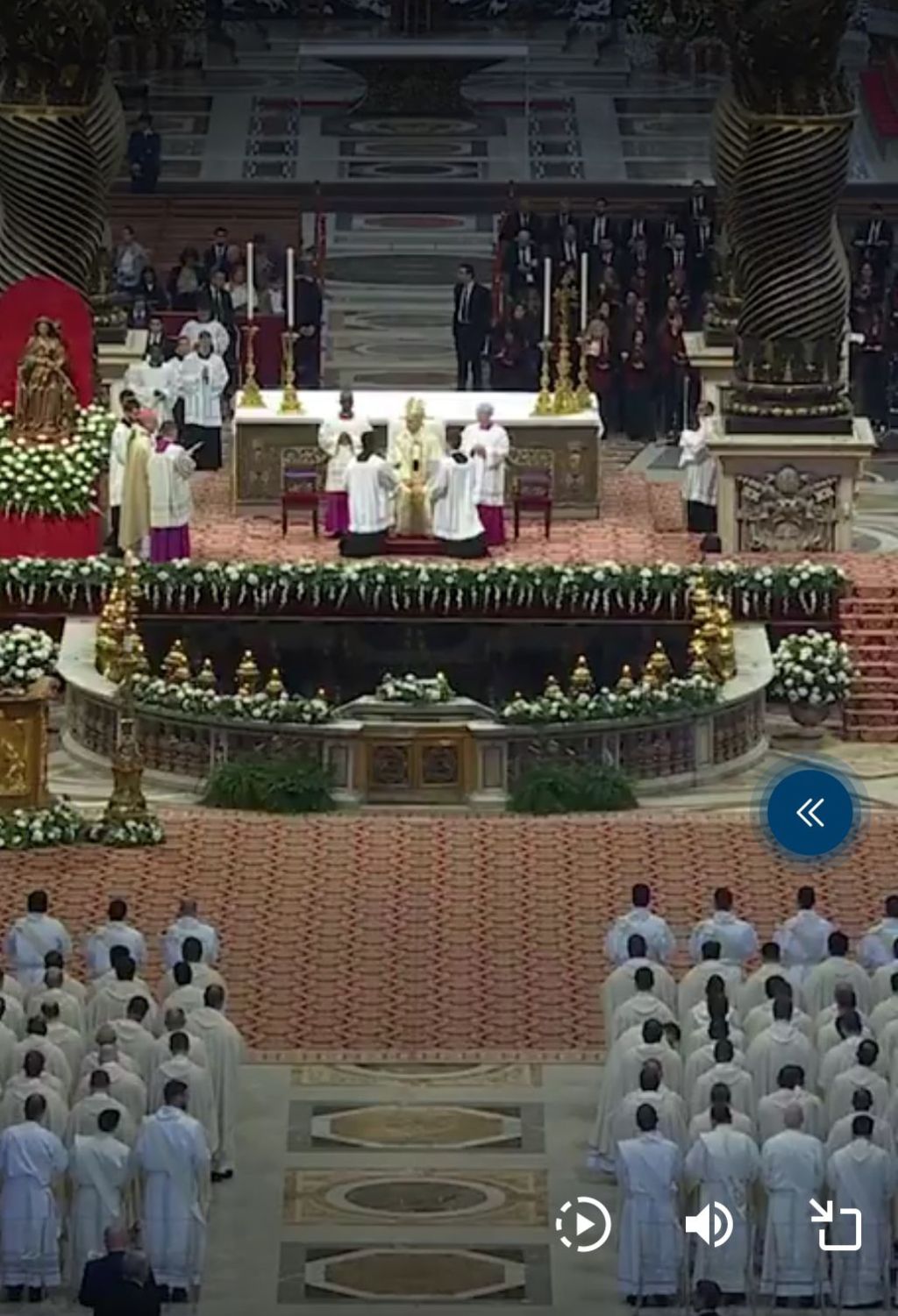
Speaking during the Regina Caeli on Good Shepherd Sunday at St. Peter’s Basilica, the Pope drew a stark contrast between true leadership and destructive influence, using the image of Christ as the Good Shepherd who gives life, and “thieves” who exploit and devastate.
“The thief comes only to steal, kill and destroy; I came that they may have life and have it abundantly,” the Pope said, urging the faithful—and by extension global leaders—to reflect on who truly guides their actions and decisions.
His remarks come at a time when wars, economic hardship, and political instability continue to plague many regions, including parts of Africa, where citizens grapple with insecurity, poverty, and governance challenges.
In a homily rich with both spiritual and social undertones, the Pope warned that “thieves” are not only individuals but also systems, ideologies, and lifestyles that undermine human dignity and freedom.
“Thieves can take many forms… people who suppress our freedom, beliefs and biases that cloud our judgment, and a superficial and consumeristic lifestyle that leaves us empty,” he said.
The Pontiff further condemned the exploitation of natural resources and conflicts driven by greed, noting that such actions deprive future generations of peace.
“Let us not forget those thieves who, by pillaging the earth’s resources and fueling blood wars… rob each of us of the possibility of a future marked by peace and serenity,” he said.
The Pope’s message resonates strongly in today’s geopolitical climate, where conflicts linked to territorial control and resource competition continue to escalate, while citizens in many developing regions call for accountable and people-centered leadership.
The Holy Father also linked moral responsibility to the use of modern technology, recalling the 40th anniversary of the Chernobyl disaster as a cautionary example of the dangers of unchecked power.
He urged leaders at all levels to embrace discernment and responsibility, stressing that technological advancements must always serve life and peace rather than destruction.
“We hope that at all levels of decision-making, discernment and responsibility will prevail, so that every use of atomic energy may be at the service of life and peace,” he said.
While delivering a strong critique of destructive forces, the Pope ended on a note of hope, calling on the faithful to remain vigilant and to entrust themselves to Christ, the Good Shepherd who guides, heals, and restores.
“We must ask ourselves who we want to guide us in life… He does not take anything from us but gives us life in abundance,” he said.
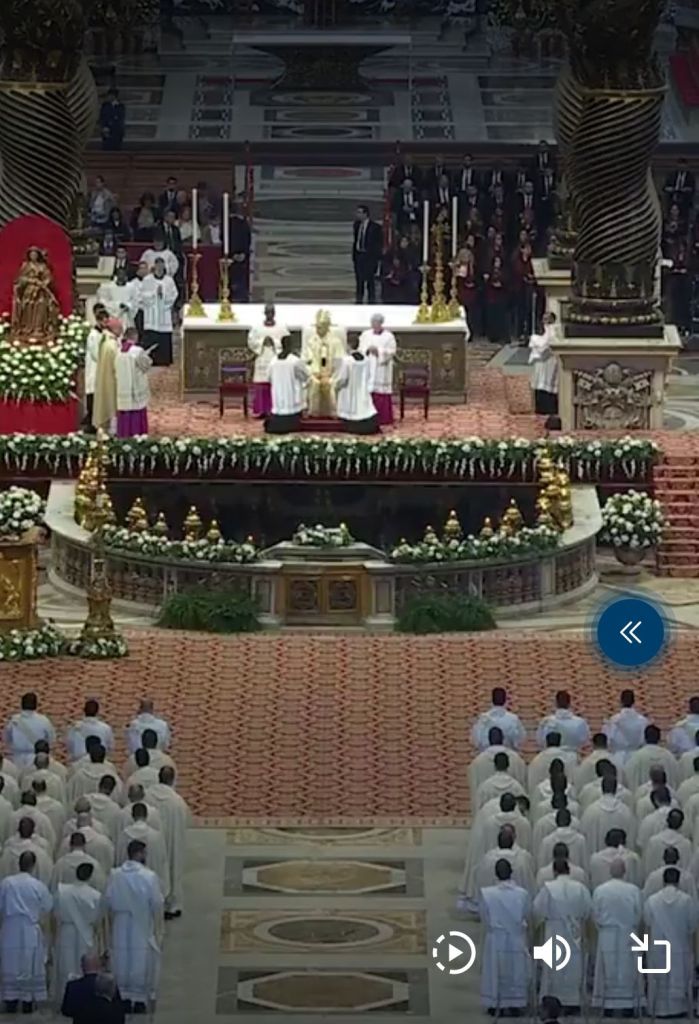
The celebration also marked the World Day of Prayer for Vocations, during which ten new priests were ordained for the Diocese of Rome, drawing thousands of pilgrims and worshippers.
The Pope concluded by entrusting the world to the intercession of the Blessed Virgin Mary, praying for peace, wisdom, and renewal in a time marked by uncertainty and crisis.

 TWE Media Network
Leave a comment