
By Juliana Uzoka
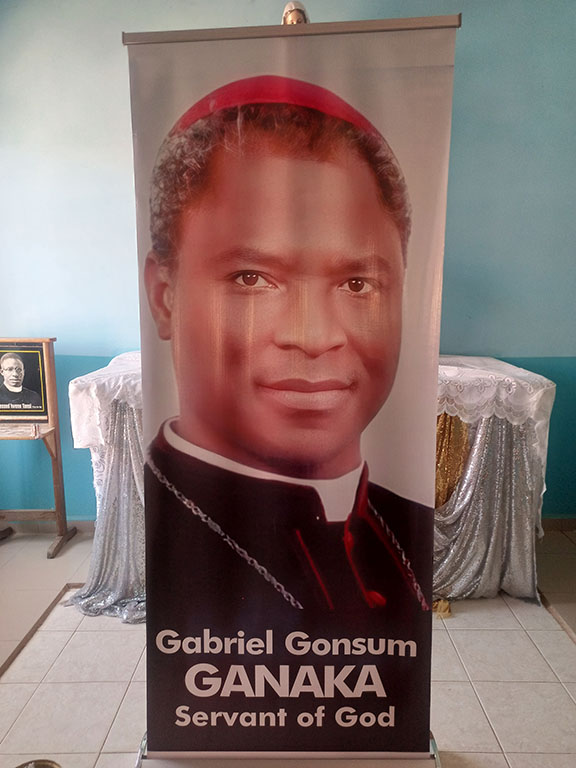
The Catholic Archdiocese of Jos and its ecclesiastical jurisdiction embarked on a faith pilgrimage to honor the 25th memorial Mass for the late Archbishop, Most Rev. Gabriel Gonsum Ganaka, who passed away on November 11, 1999.
The event, held annually as part of the process toward declaring the late Archbishop a saint, spans two days. It began on Sunday, November 10, when pilgrims arrived at Fatima Cathedral, Jos. A vigil led by the Chief Shepherd, Archbishop Matthew Ishaya Audu, was held to pray for the repose of Ganaka’s soul and seek his intercession for personal and national well-being. The event concluded on Monday, November 11, with a Mass.
Archbishop Audu celebrated the Mass in memory of the late Archbishop Ganaka, while Father Cletus Gowon from Pankshin Diocese delivered the homily. Father Gowon reflected on the prayer of beatification offered by the faithful, emphasizing that it was an expression of gratitude for the works God accomplished through Ganaka in the life of the Church and society. He expressed hope that one day the universal Church would beatify and canonize him as a saint.

“There will be no turning back on the ‘noble cause’ undertaken by the Church for his sainthood,” he affirmed. “While our prayer may or may not be granted in our lifetime, we must persevere in prayer,” he added.
Father Gowon described Ganaka as a “giant in spirituality, physically and morally, comparable to the proverbial elephant.” He remembered him as a man of calm disposition who was neither arrogant nor violent. Gowon highlighted Ganaka’s hospitality, modest lifestyle, and high moral standards. “He was not a heavy drinker, nor was he inclined to material wealth,” he noted, adding that self-control was a virtue the Archbishop instilled in others.
Recounting his personal encounters with Ganaka, Father Gowon detailed three significant moments that impacted him deeply. The first was in 1996 during the ordination of Monsignor John Moore as the first Bishop of Bauchi Diocese. Gowon recalled being surprised when Ganaka, amidst a crowd, called him by name and informed him he would be heading St. John Vianney Minor Seminary.
His second encounter came in 1998, when he was made rector of the seminary after the previous rector left for further studies abroad. Despite discouragement from colleagues due to his young age, Ganaka’s nomination demonstrated his visionary leadership. Father Gowon urged current leaders to make courageous decisions that foster growth and development in the Church and society.
“Our society often sacrifices merit on the altar of self-interest, with sycophancy, hypocrisy, tribalism, nepotism, and mediocrity prevailing,” he said. He called on leaders to act with discernment and courage, as Ganaka did.
The third encounter, which Gowon described as transformative, was when Ganaka advised him to address a health issue involving his weight. The Archbishop’s concern and recommendation to see a doctor demonstrated his caring nature and good counsel.
Father Gowon said late AB Ganaka encouraged leaders to mentor the younger generation, emphasizing the importance of fraternal correction. “No matter our intentions, failing to address issues or correct our peers can worsen situations,” he noted.
Highlighting Ganaka’s attributes, Gowon described him as a saintly, scholarly, and gentle servant of God, known for his prayers and humility. One of Ganaka’s memorable quotes was, “Do not love the good works of the Lord and forget the Lord of the good works.” Gowon shared an anecdote about how Ganaka’s prayers once dispelled storm clouds during an event, showcasing his deep belief in prayer.
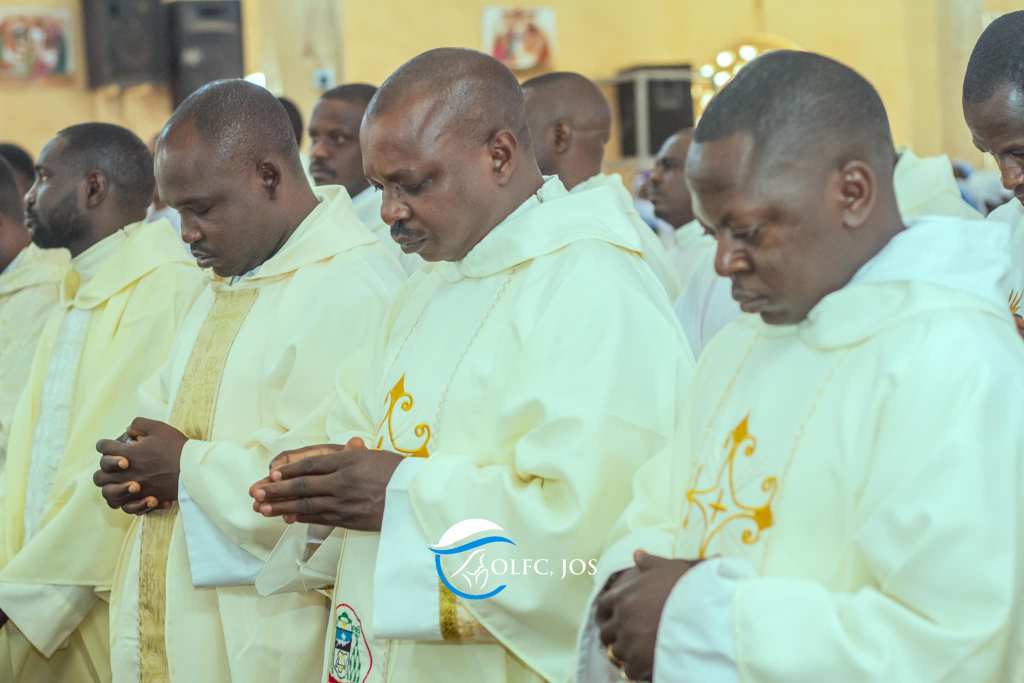
Ganaka’s commitment to social justice extended beyond his ecclesiastical duties, as he accepted political appointments such as Vision 2010. Gowon reminded newly ordained priests that priesthood does not exempt them from suffering and called them to confront issues of injustice.
Gowon concluded his reflections by urging the faithful to pursue holiness, quoting the late Archbishop’s favorite scriptures. He emphasized that holiness begins with turning away from sin, receiving the Holy Spirit, and living in accordance with Jesus’ teachings. He reminded the faithful of the importance of the Sacrament of Reconciliation for forgiveness and spiritual renewal.
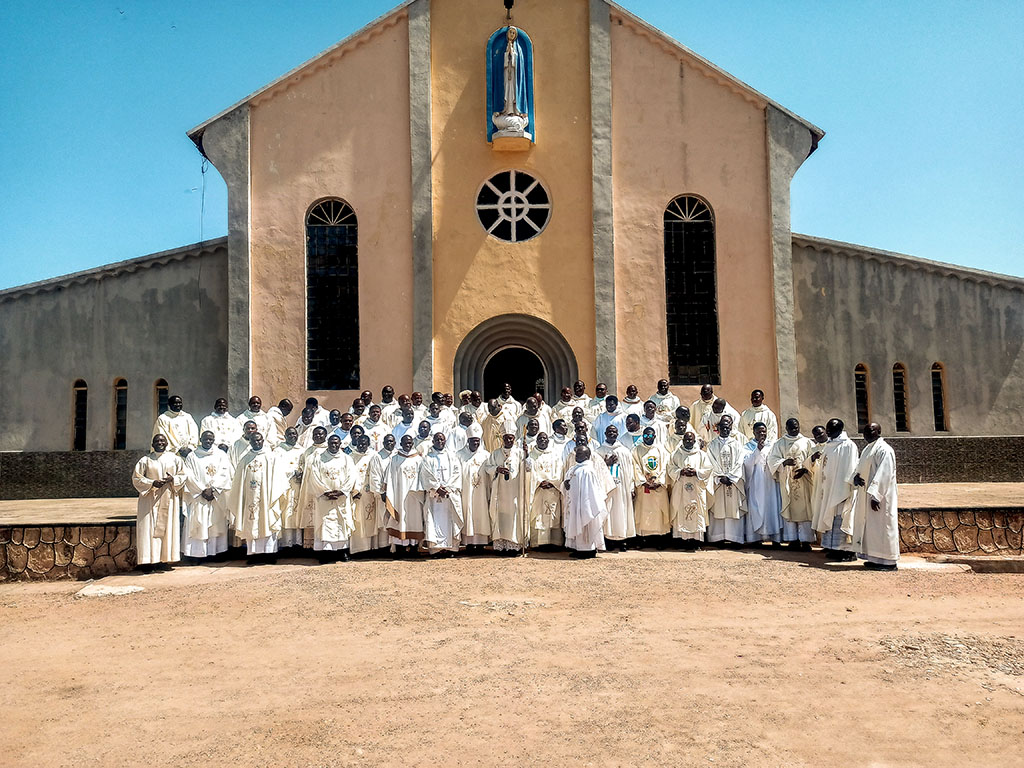
He asked “is holiness an impossible command to try, and emulate in our life today? Do we know what an holy life looks like? Responding, he said this can only be possible with Jesus, without Jesus, we cannot cope. And the help of the Holy Spirit living in us, the Word of God dwelling richly within us. And follow Jesus Christ obediently.
Attributes of a holy life he said is marked by gratitude to God, thankfulness, obedience, rejoicing, humility and confessing of our sins, love for prayers, faith, compassion, a desire for things of God rather than the things of the world. No matter the situation we find ourselves in life, may we persist in bearing witness to God’s love, he encouraged.
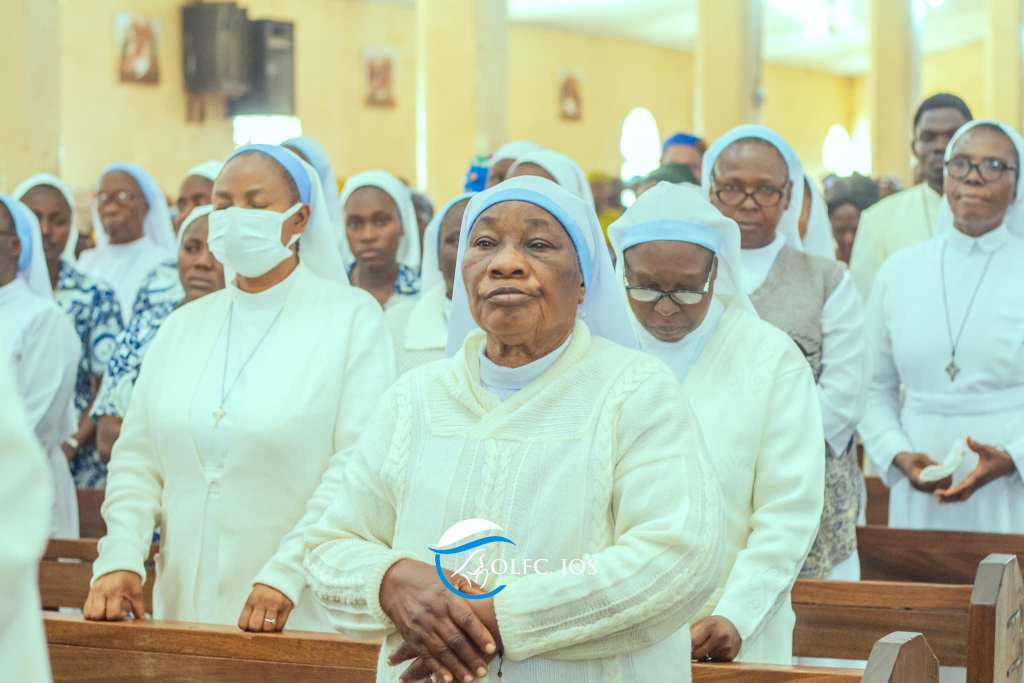
Father Gowon concluded with a quote from St. Teresa of Calcutta: “Spread love wherever you go; let no one encounter you without leaving happier.” He prayed for Ganaka’s soul and for the late Archbishop’s legacy as a shepherd who knew and cared for his flock to inspire others.
Reverend Father Godfrey Gopep, parish priest of Our Lady of Perpetual Help, Rahol Kanang, recounted Ganaka’s history, including his birth on May 24, 1937, in Pankshin, Plateau State. Originally named Chinkida, he adopted the surname Ganaka after his time as a prison warder, where inmates would refer to him as “ga naka” (meaning “here is yours”).
Ganaka’s Catholic faith began at Holy Cross Primary School in Pankshin, and he was inspired to pursue priesthood by Father Benedict Sam’s devotion to the Blessed Sacrament. He studied at St. Theresa Minor Seminary in Ibadan and Saints Peter and Paul Major Seminary before his ordination in 1965 by Bishop John Reddington.
His ecclesiastical journey included roles as assistant priest, auxiliary bishop, and eventually the first Archbishop of Jos. He co-founded the Christian Association of Nigeria (CAN), initiated the Catholic Charismatic Renewal, and was a proponent of various devotional practices.
A pilgrim, Meshach Chindaba, a former Plateau State House of Representatives member, described Ganaka as a dedicated shepherd whose impact endures. Reverend Sister Mary Patrick Dimlong, former principal of St. Louis College, Jos, shared how Ganaka supported her vocation despite initial challenges.
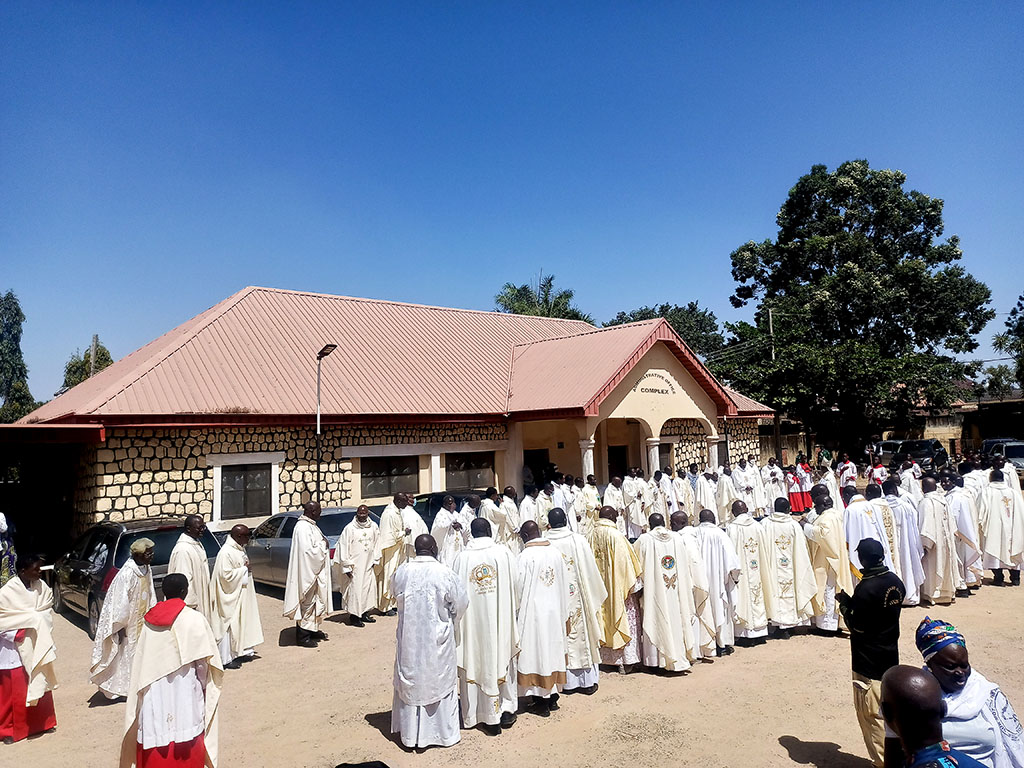
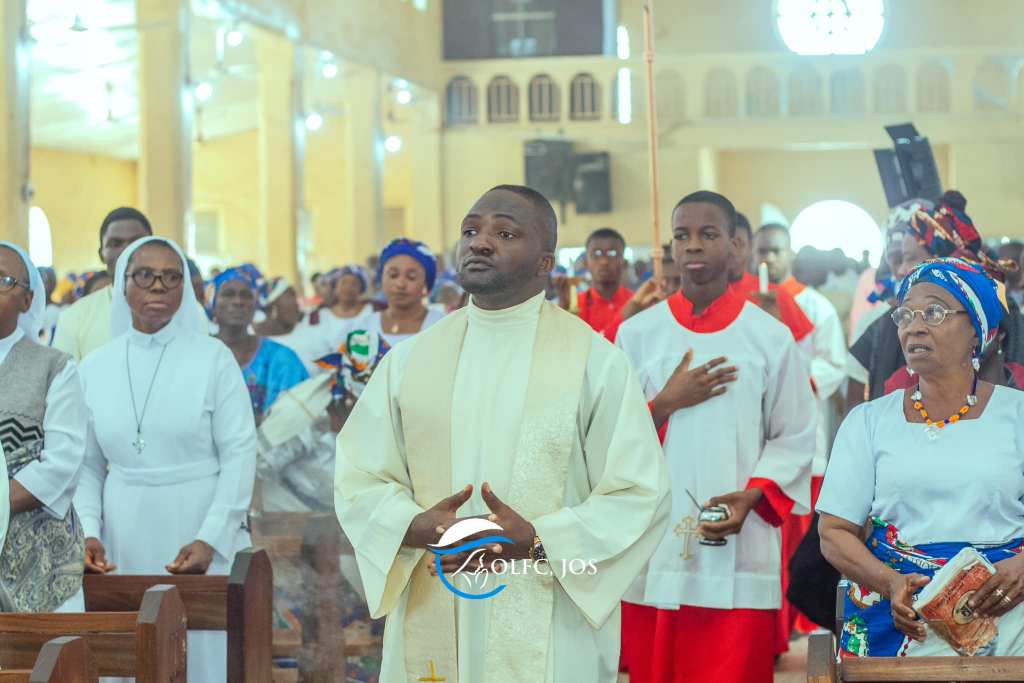
The event was attended by the Bishop of Pankshin, Most Rev. Michael Gokum, Monsignors, coordinators from other dioceses, priests, religious figures, knights, guests, and lay faithful.

 TWE Media Network
Leave a comment