

By Juliana Uzoka
Archbishop Matthew Ishaya Audu of the Archdiocese of Jos has provided new directives and clarified existing guidelines for lay readers (lectors) in the Archdiocese. Speaking during an interactive session with the Lay Readers Association at Saint Louis Parish, Jos, the Archbishop addressed key issues regarding the role and conduct of lectors while introducing innovative changes aimed at inclusivity in the proclamation of God’s Word.
During the event, representatives from the seven deaneries of the Archdiocese were in attendance, on Saturday, 28 September, Archbishop Audu emphasized that lectors must reflect godliness in their appearance and manner of speaking. He stressed that proclaiming the Word of God should be regarded as “His voice” to the people, urging lectors to take their role with utmost seriousness and reverence.

While responding to questions on liturgical practices, Archbishop Audu made it clear that the use of mobile phones or other gadgets for liturgy is forbidden. He stated that the Word of God should only be read from sacramentals blessed for this purpose, adding that while minor variations in language may exist between different missals, it is important to stick to those recommended by the Catholic Bishops Conference. In cases where the original missal is unavailable, a similar approved book may be used.
“Since you are speaking the Word of God, speak through the one that is blessed,” the Archbishop remarked, reiterating the sacredness of the missal.
He also addressed the concerns of members regarding language barriers, particularly the need for a Hausa missal. Archbishop Audu assured them that the production of the Hausa missal was underway in Kaduna. Additionally, he announced that provisions have been made for blind readers to actively participate in liturgy using Braille missals. He revealed that missals for Years A and B are already available, with the Year C missal expected next year.
Archbishop Audu further emphasized the importance of tradition, urging all parishes to adhere strictly to the guidelines governing the activities of lectors. He warned that it is unacceptable for individuals who have not undergone proper certification to read during liturgy, and parish priests would be held accountable if this occurred.

On the topic of prayer during Mass, the Archbishop noted the omission of the “Hail Mary” after the Prayers of the Faithful in several parishes. He reiterated that its recitation is the correct practice and should be adhered to.
Earlier in his homily, Archbishop Audu cautioned against the excessive desire for perfection, which he said could lead to inaction and failure. Drawing from the teachings of psychologist Carl Jung, he advised adopting a balance between caution and childlike energy, urging believers to embrace a carefree attitude while maintaining a willingness to learn from mistakes.

Referencing the Gospel of Luke (9:43b-45), Archbishop Audu spoke about how the Disciples were afraid to ask Jesus questions about His forthcoming suffering. He warned that such an attitude of fear and avoidance in matters of faith could hinder one’s relationship with God.
In a separate interview with *TWE News*, Rev. Fr. Patrick Kassem, the Chaplain of the Lay Readers’ Ministry, encouraged members to follow the example of their patron saint by not only proclaiming the Word of God but internalizing it. He reminded them of the courage and boldness with which the prophets of old proclaimed God’s Word, urging them to do the same.
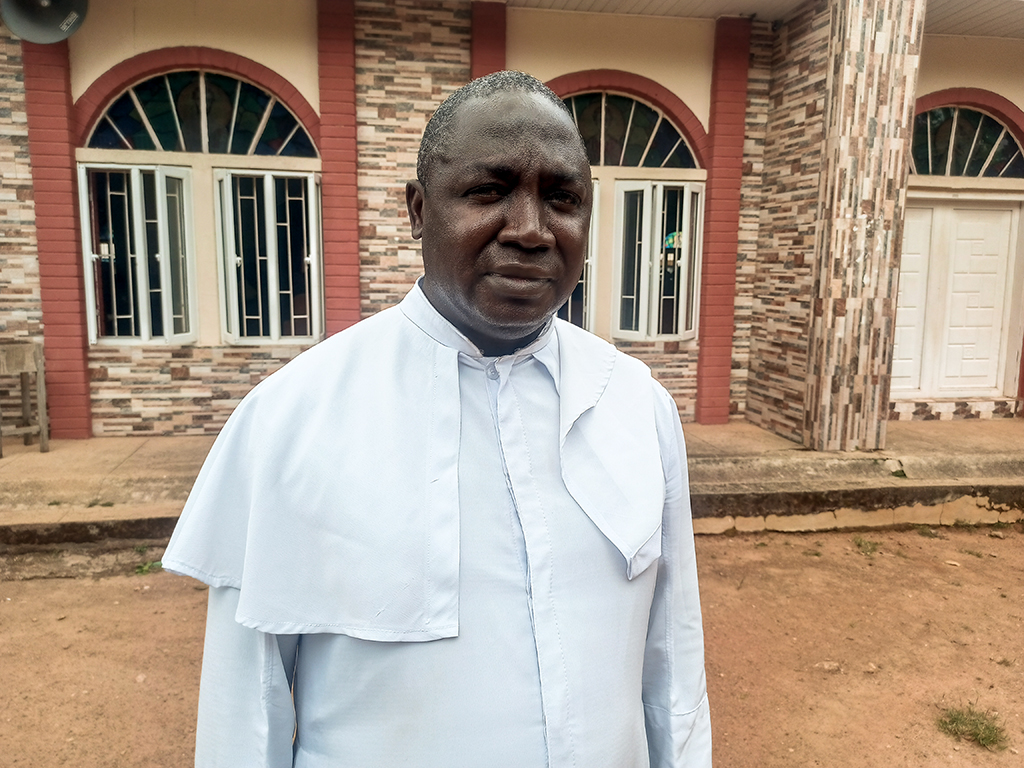
The President of the Lay Readers’ Ministry, Roland Gonsum, expressed optimism that the Archbishop’s guidelines would bring significant benefits to members, enhancing their spiritual growth and fostering uniformity in their activities across the Archdiocese. He hailed the session as the first of its kind and a milestone in deepening their understanding of the Catholic faith.

The interactive session with the Archbishop, Gonsum concluded, provided valuable insights and set the tone for the future activities of the lay readers in the Archdiocese.


 TWE Media Network
Leave a comment