
By Juliana Uzoka
The Catholic Archbishop of Jos, Most Rev. Ishaya Matthew Audu, has described true leadership as exceptional commitment to assigned responsibilities and the building of legacies worthy of emulation.
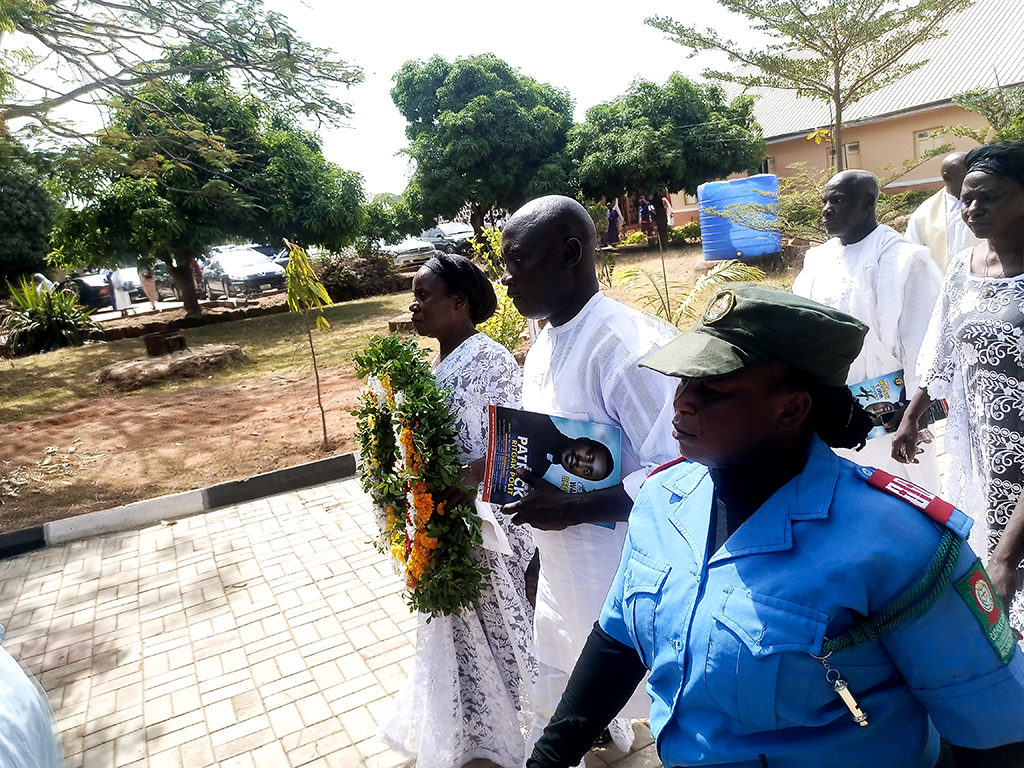
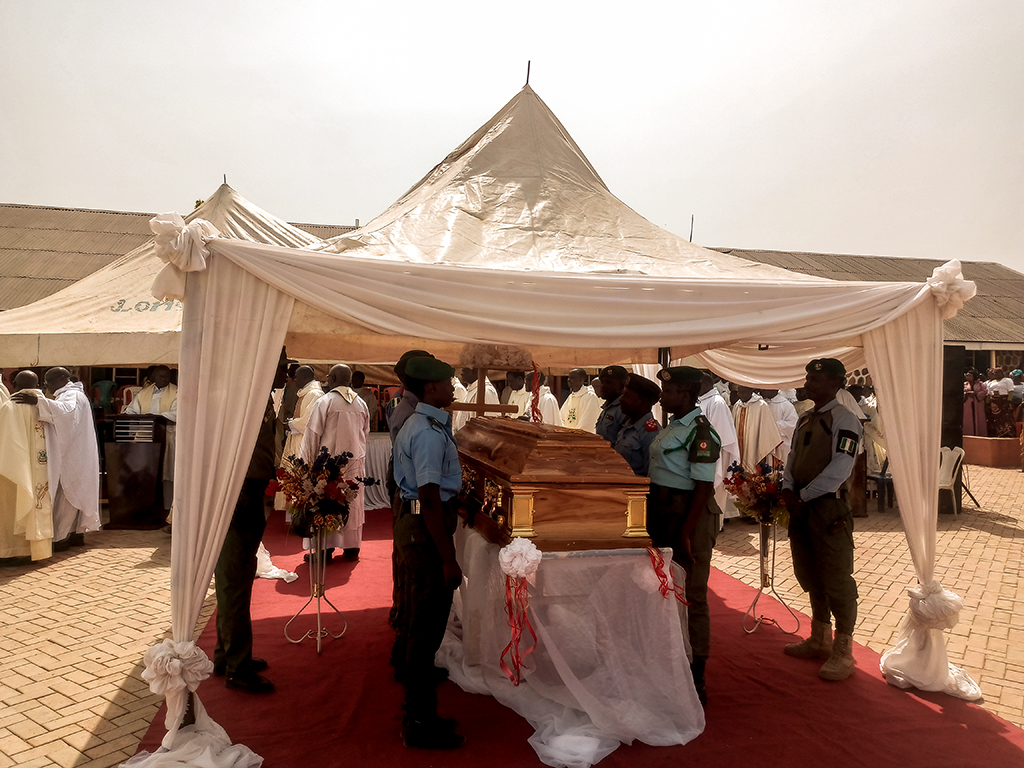
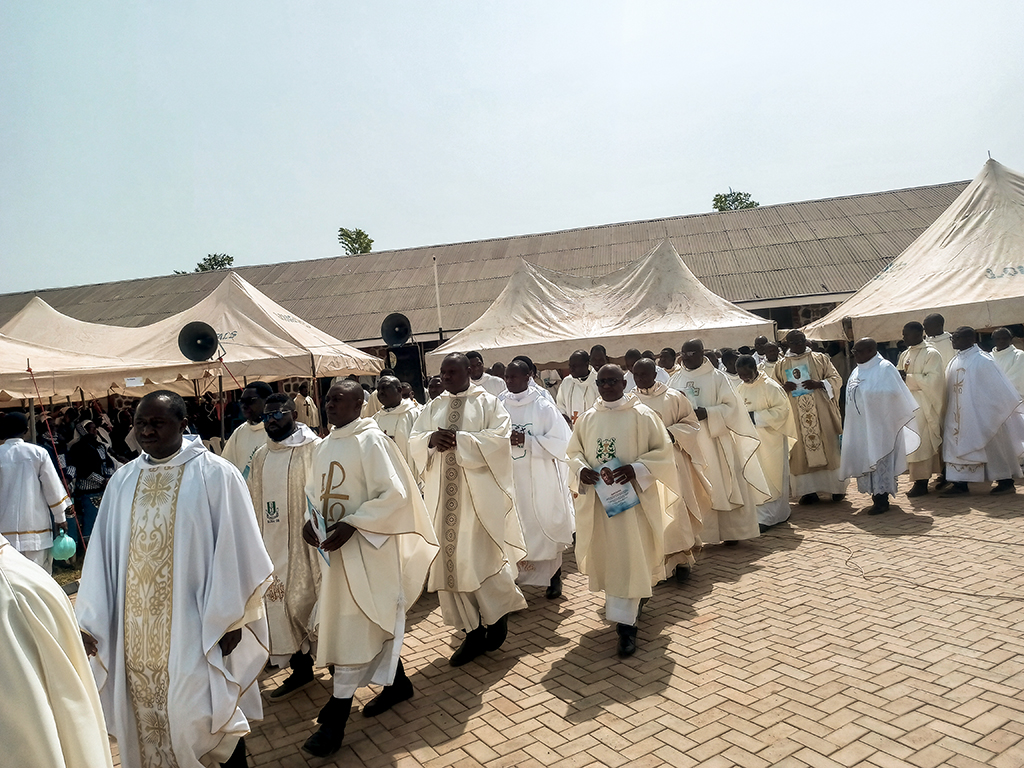
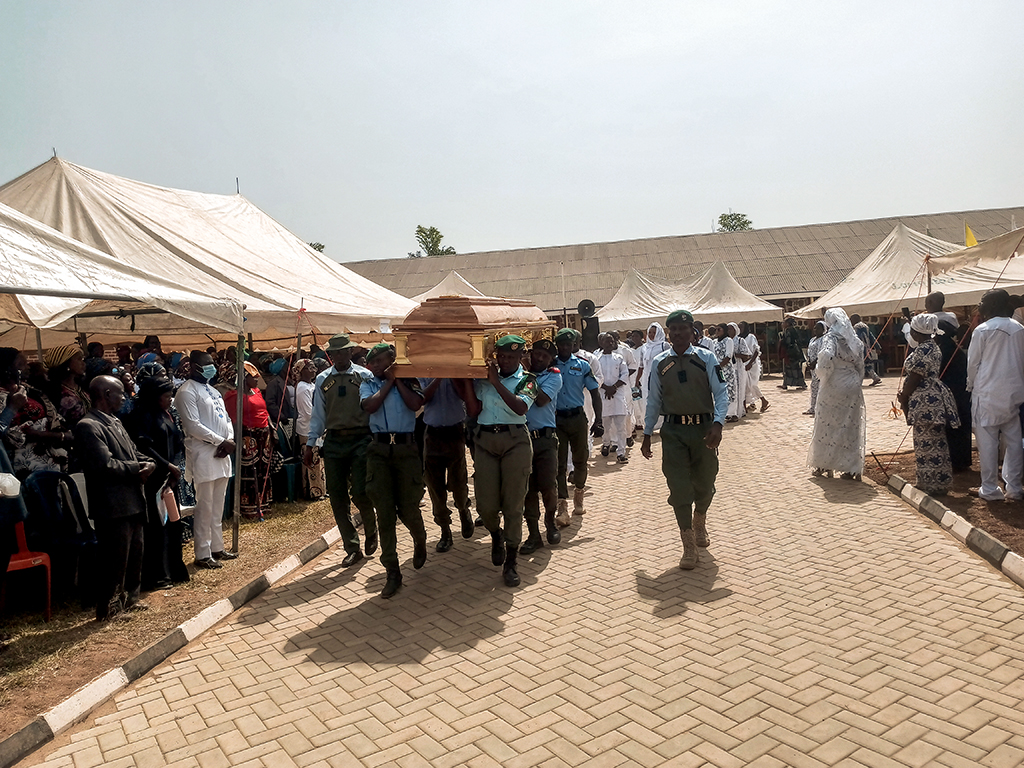
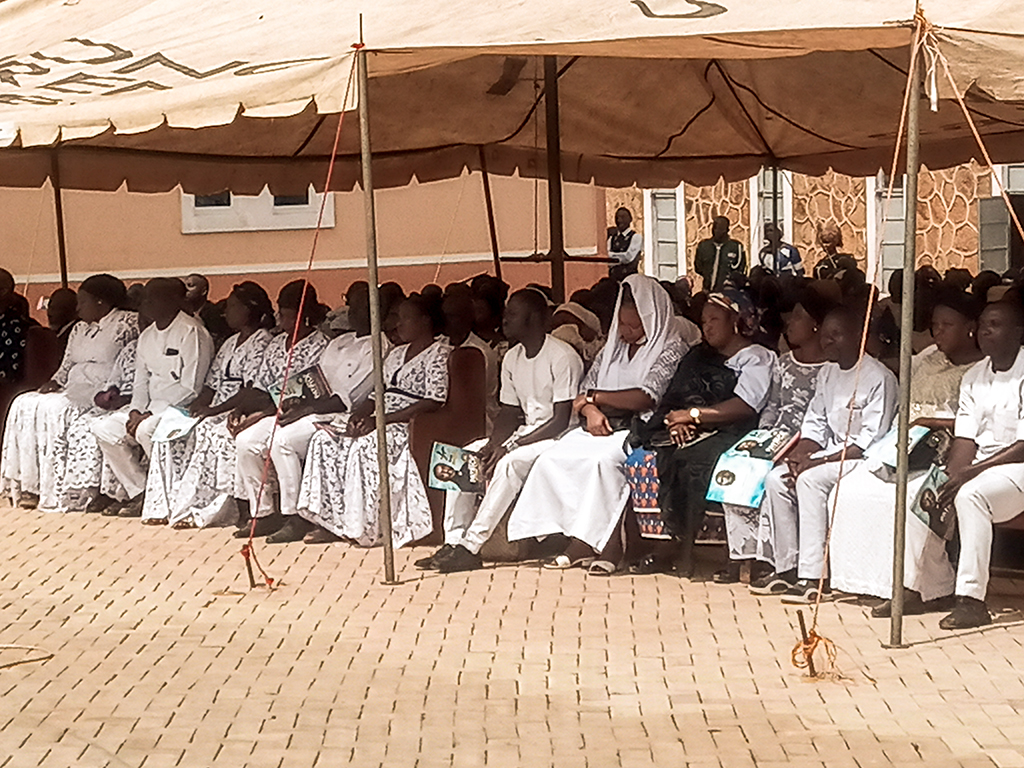
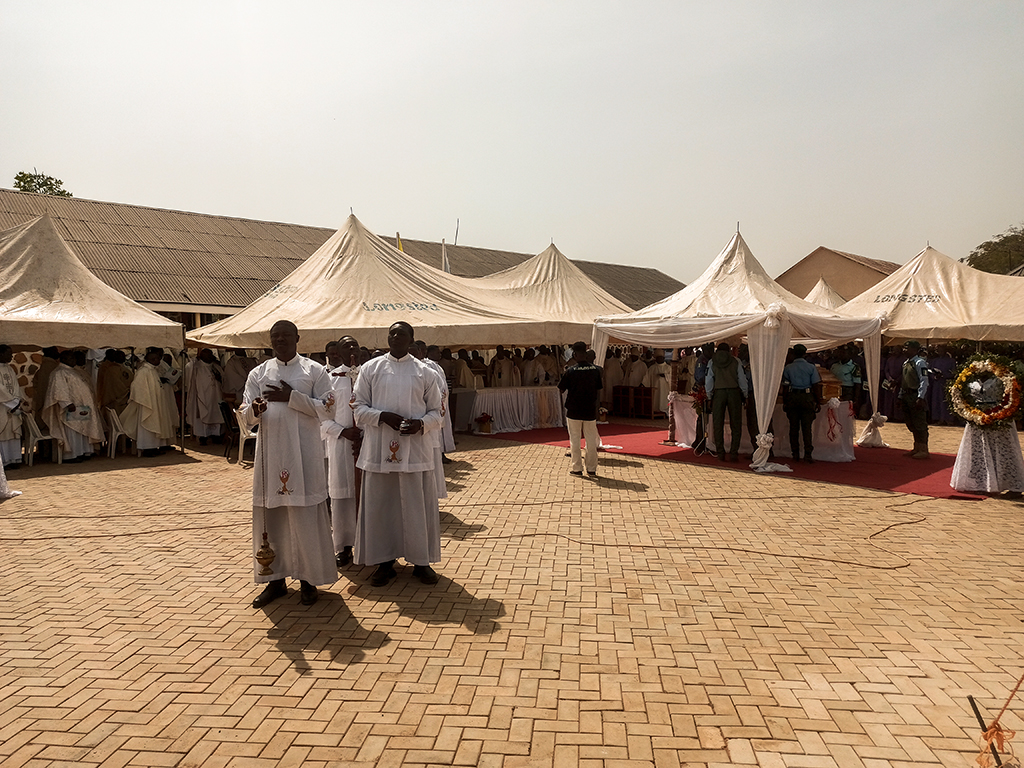
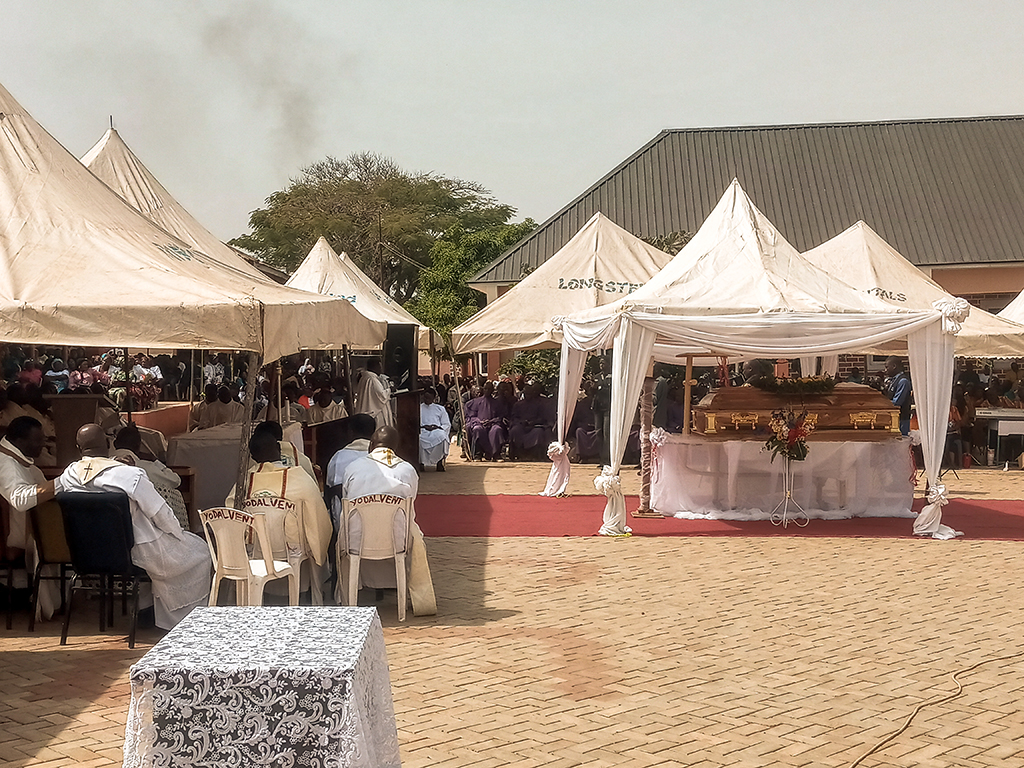
Archbishop Audu stated this on Thursday, 11 December, during the burial Mass of the late Rev. Fr. Patrick Polit at St. John Vianney Minor Seminary, Barkin Ladi, Plateau State.
The Archbishop said life gains deeper meaning when those entrusted with leadership roles live exemplary lives that others can model. He described the late Fr. Polit as an exemplary priest, noting his punctuality, discipline, and dignified appearance.

“When you saw him, you knew this was a Reverend Father coming,” the Archbishop said, recalling how Fr. Polit treated him “like a Pope.”
“I am wearing new shoes today because of him,” he added emotionally.
A Shepherd Mourns His Priest
Expressing deep personal grief, Archbishop Audu wondered why death often takes those whose impact is deeply felt and whose service appears still needed in God’s vineyard.
“For a long time, I have not cried, but yesterday I cried,” he said.
“Those who want to die do not die, and those who want to live are the ones dying.”
He recalled that when he assumed office five years ago, Fr. Polit was assigned to work closely with him on the Liturgical Commission, describing him as always neatly and smartly dressed.
While acknowledging the pain of loss, the Archbishop reminded the faithful that life on earth is temporal, adding that Fr. Polit has gone to a better place prepared by the Lord, where sickness and cancer have no power.
He noted that the late priest endured intense suffering during his illness, especially while hospitalised and dependent on oxygen support.
“If he did anything wrong, he has already served his purgatory here on earth,” the Archbishop said.
He urged family members to turn their tears into prayers, assuring them that such prayers would be more beneficial and that Fr. Polit would, in turn, remember them in God’s kingdom.
Church’s Responsibility to Care for Sick Priests
Archbishop Audu also used the occasion to explain reforms introduced in the Archdiocese regarding the care of sick priests.
He lamented that in the past, sick priests were forced to seek assistance from family and friends, a practice he described as improper.
“If you work for the Church, the Church should look after you,” he said.
He disclosed that the Archdiocese now deducts 15 per cent from harvest collections in parishes to create a medical fund for priests.
“It did not cost us anything. The priests already contributed their money — not me,” he stressed.
The Archbishop recommended the initiative to other bishops, noting that there will always be sick priests in the Church. He advised priests to first seek treatment at the Church-owned Our Lady of Apostles (OLA) Hospital and follow referrals where necessary, explaining that a structured payment system exists between the hospital and the Archdiocese.

He expressed special gratitude to Dr. Pupet, whom he described as an “apostle of priests,” for his generosity and care, often treating priests without collecting payment. He also thanked the medical team that attended to Fr. Polit.
“Doctors treat sickness, but not death,” the Archbishop said.
“Death is reserved for God alone.”
He noted that despite daily Masses offered for Fr. Polit’s recovery, God ultimately chose what was best.
Homily: Life Is Fragile, Eternity Is Real
In his homily, the Dean of Barkin Ladi Deanery, Very Rev. Fr. Sylvester Dagin, drew parallels with the biblical lamentation of Job:
“The Lord gave and the Lord has taken; blessed be the name of the Lord.”
He challenged the faithful to accept both good and difficult moments in life, asking:
“If we receive good things from God, should we not receive bad things too?”
Fr. Dagin lamented what he described as insufficient reflection on the magnitude of loss confronting the Church, especially following Fr. Polit’s sudden deterioration after showing signs of recovery.
He described the late priest as a dexterous and passionately available young priest who remained committed to his liturgical duties despite failing health.
Nicknamed “Pato,” Fr. Dagin said many believed he would survive the illness, but death struck unexpectedly.
Reflecting on the location of St. Augustine’s Major Seminary near a cemetery, he recalled the words of a former rector, Fr. Mitchel OSA (1974), who explained that seminarians must constantly remember that life is temporary and eternity is real.
“Some people behave as if eternity is a lie,” he warned.
He cautioned against excessive materialism, describing “obnoxious accumulation and ugly pursuits of worldliness” as obstacles to repentance and true worship of God.
Tributes from Priests, Friends, and Family
Fr. Dagin recalled Fr. Polit’s selfless service as a water and light prefect during seminary days and his passionate commitment during inter-seminary activities.
“Judgement is by sympathy and availability,” he said, expressing confidence that Fr. Polit would be welcomed by the Master for his sacrifices.
Several close associates, classmates, and family members also paid emotional tributes. Some classmates, visibly shocked, asked repeatedly, “Is it really Pato in this casket?”

They described him as joyful, resilient, and humorous, someone who encouraged others to laugh even amid difficulties.
“Patrick made us laugh. Even now, he wants us to smile at life and death,” one tribute noted.
Speaking on behalf of the family, the elder brother of the deceased, Mr. Sylvester Polit, thanked the Archbishop for his support and words of encouragement, expressing hope in the comfort found in God’s will.
Among dignitaries present were the Bishops of Pankshin and Shendam, including Rt. Rev. Michael Gokum, who expressed gratitude to all who shared in the family’s grief.
The burial Mass concluded with a reminder from the Gospel of the day:
“Watch therefore, for you know neither the day nor the hour.”
A call, the homilist said, for Christians to live in constant readiness before God and the final judgement.

 TWE Media Network
Leave a comment