
By Juliana Uzoka
Pope Leo IV has reflected on the fruits of his first Apostolic Journey to the Middle East — Türkiye and Lebanon, expressing gratitude to all who made it possible and praying for the lasting success of its fruits.
Moved by the outcomes of his pastoral visit, which took place from 27 November to 2 December, the Pope said during the Angelus on Sunday that peace remains possible only when “Christians, in dialogue with men and women of other faiths and cultures, can help to build it.”
Carrying the mission entrusted by Christ to Saint Peter, to strengthen the faith and proclaim the Gospel. Pope Leo travelled to Türkiye and Lebanon as a messenger of hope, peace, and dialogue. His journey centred on ecumenism and interreligious encounter, as he met with civil authorities, Christian communities, and leaders of other faith traditions.
A key moment of the visit was the celebration of the 1,700th anniversary of the Ecumenical Council of Nicaea, held in modern-day İznik in Türkiye. There, the Pope met his “beloved brother Bartholomew, Ecumenical Patriarch of Constantinople, and Representatives of other Christian confessions.” Reflecting on this encounter, the Holy Father recalled that “precisely today we mark the 60th anniversary of the Common Declaration between Paul VI and Patriarch Athenagoras, which put an end to the mutual excommunications.” He added: “Let us give thanks to God and renew our commitment to the journey toward the full visible unity of all Christians.”
The Pope also praised the Catholic community in Türkiye for their readiness to serve those who suffer and for initiating dialogue that promotes unity and peace across religious and cultural divides.
Highlighting the significance of his Apostolic Journey, Pope Leo said his visit sought to inspire new possibilities for communities to understand one another, live in harmony, and build the human family. Two mottos accompanied the journey, expressing these aspirations: “One Lord, one faith, one baptism” and “Blessed are the peacemakers.”
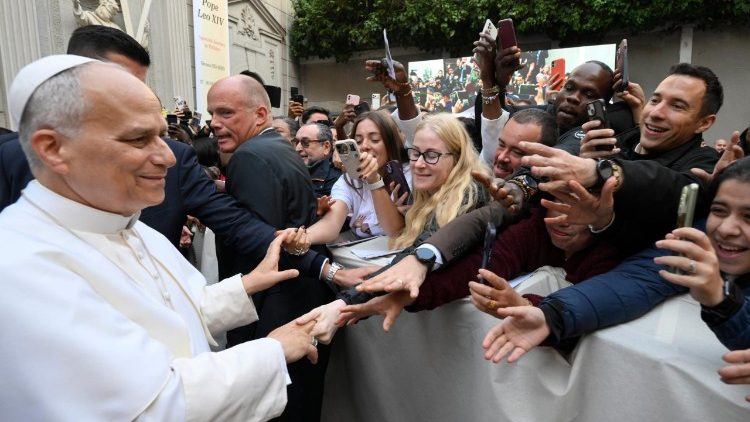
Turning to Lebanon, the Pontiff described the nation as “a mosaic of coexistence,” a place where longstanding diversity continues to foster harmony and bridge divides. “I met people who proclaim the Gospel by welcoming the displaced, visiting prisoners, and sharing bread with those in need,” he said. “I was heartened to see so many people in the streets greeting me, and I was deeply moved by the meeting with the relatives of the victims of the explosion at the port of Beirut.”
Pope Leo affirmed that his time in Lebanon strengthened his apostolic mission, noting that while he sought to bring consolation to the people, he himself received great consolation from their resilience, faith, and warmth.

 TWE Media Network
Leave a comment