By TWE News Desk

Catholics around the world joined millions of workers on May 1 to mark St. Joseph the Worker’s Day, a celebration that brings together the Church’s teaching on the dignity of labour and the global observance of Workers’ Day.

The Catholic Church chose this date to honour Saint Joseph, the foster father of Jesus and a humble carpenter, as a model for all workers. The feast highlights the value of hard work, the dignity it brings, and God’s ongoing work in the world through human labour. It is also a time to reflect on fairness, justice, and the protection of workers’ rights.

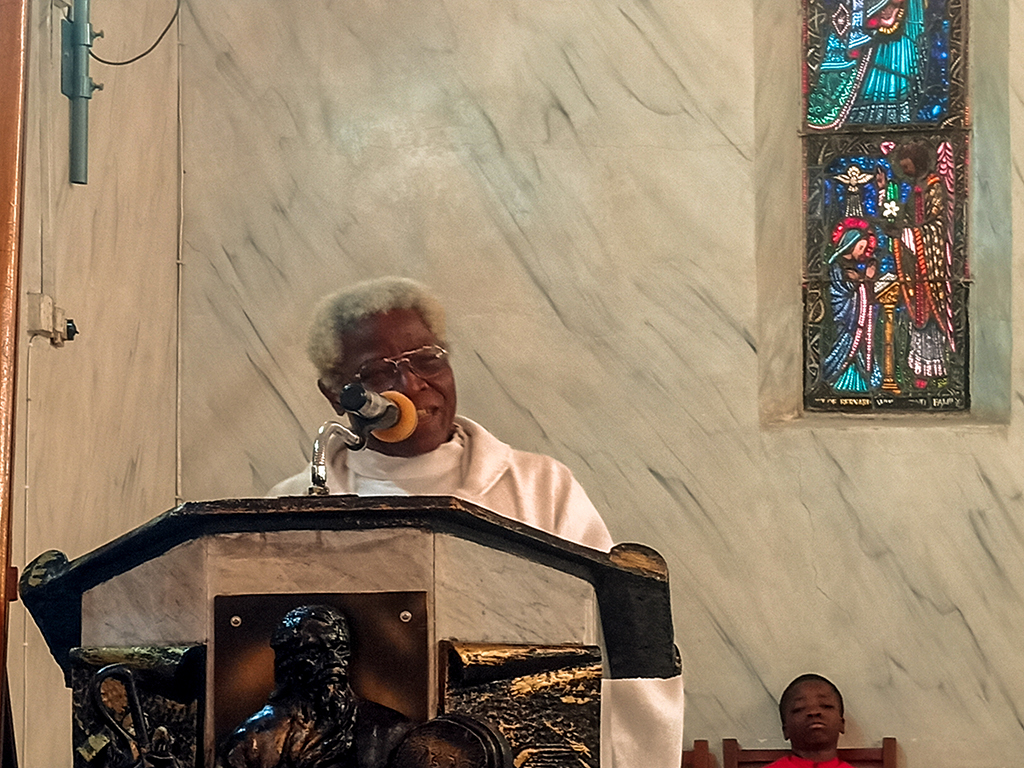
At St. Theresa’s Parish in Jos, Rev. Fr. Dennis Dayok used the occasion to speak directly to the youth. He encouraged them not to wait endlessly for white-collar jobs but to consider learning practical skills that can empower them. “God doesn’t call the idle,” he said, citing Biblical examples like Moses, David, and the first disciples, who were all working when God called them.

Fr. Dayok reminded the faithful that work is not only a means to earn a living but a way to cooperate with God in continuing His work of creation and redemption. “From the beginning, God worked, and He continues to work through us,” he said, referencing the Stations of the Cross and the Acts of the Apostles, where God’s work continues through the Church and the Holy Spirit.

He urged parents to use holidays to engage their children in learning skills and advised young people to explore vocational and technical training. “Education should equip you to work with your hands,” he said. He also called on the government to revive technical schools so that more youth can become self-reliant.

Father Dayok concluded by invoking the intercession of Saint Joseph, praying that young people would value all forms of honest work. “Whatever your job is, do it with passion. God will bless the work of your hands,” he said.

Leave a comment

Recent posts

Quote of the week

What are the attributes of our Blessed Mother Virgin Mary that Christians should emulate?

The attributes of the Blessed Virgin Mary that Christians are encouraged to emulate include a range of virtues that reflect her exemplary holiness and deep faith.

Faith and Trust: Mary is recognized for her profound faith and docile acceptance of God’s Word. Her response to the angel Gabriel exemplifies a complete trust in God’s plan, which serves as a model for Christians to surrender to God’s will in their own lives.

Obedience and Humility: Her generous obedience to God’s call and her genuine humility are highlighted as virtues that Christians should strive to embody. Mary’s willingness to accept her role as the Mother of God demonstrates a humble acceptance of divine purpose.

Charity and Compassion: Mary’s solicitous charity, particularly in her visit to Elizabeth and her care for Jesus, reflects a deep love for others. This attribute encourages Christians to practice love and service towards their neighbors.

Wisdom and Reflection: Mary’s profound wisdom, as seen in her contemplative nature and her ability to ponder the events of her life, invites Christians to seek understanding and insight in their own spiritual journeys.

Fortitude in Suffering: Her strength during times of suffering, particularly at the crucifixion of her Son, serves as an example of enduring faith amidst trials. Christians are called to find strength in their own challenges by looking to Mary’s example.

Maternal Love: Mary’s maternal love is a model for all who are called to nurture and support others. This aspect of her character encourages Christians to foster a spirit of care and compassion in their communities.

Devotion and Prayer: The importance of prayer and devotion to Mary is emphasized, as she is seen as a powerful intercessor. Christians are encouraged to turn to her in prayer, seeking her guidance and support in their spiritual lives.

By reflecting on these attributes, Christians can strive to incorporate them into their own lives, thereby growing in holiness and virtue as they follow the example set by Mary, the Mother of God.

Magisterium of the Catholic Church