
By Juliana Uzoka
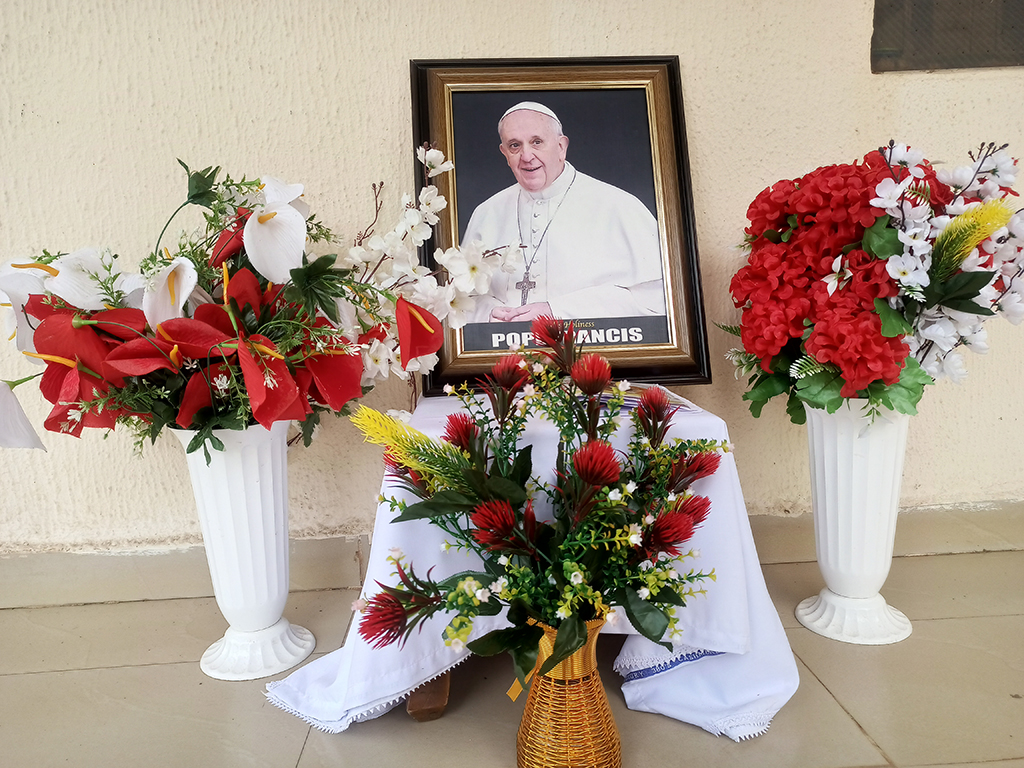
At a solemn requiem Mass held on April 26 at Our Lady of Fatima Cathedral, Jos, in honour of the late Pope Francis, Monsignor Cletus Tanimu Gotan used the opportunity not only to pay tribute to the Holy Father’s exemplary leadership but also to call attention to Nigeria’s own deep-rooted leadership failures.
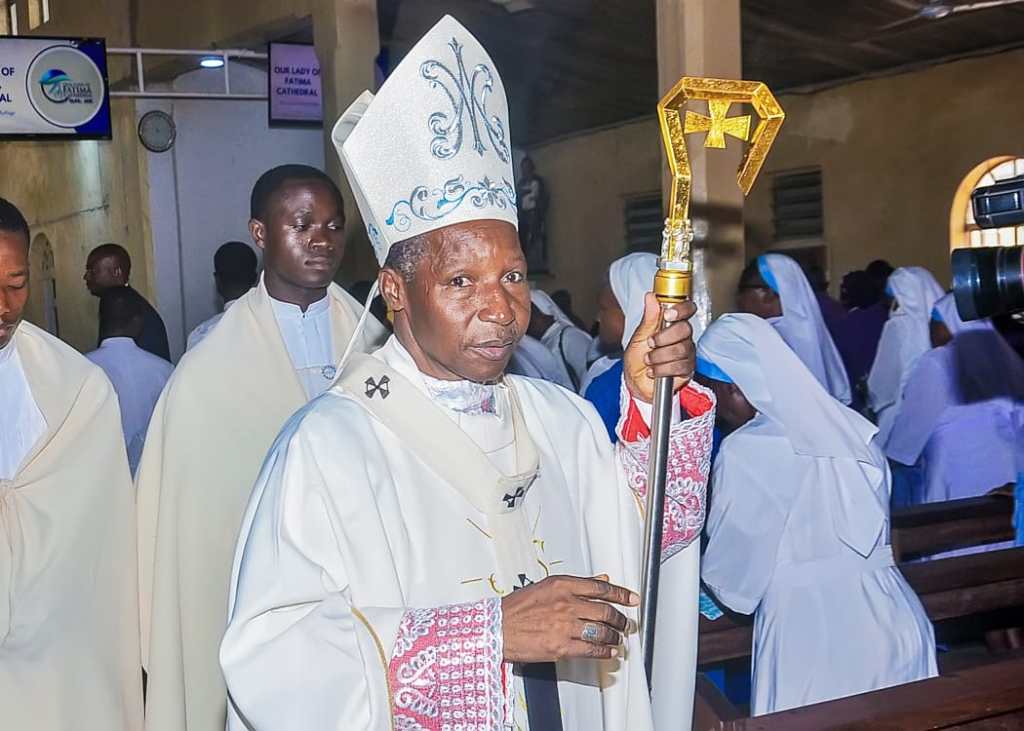
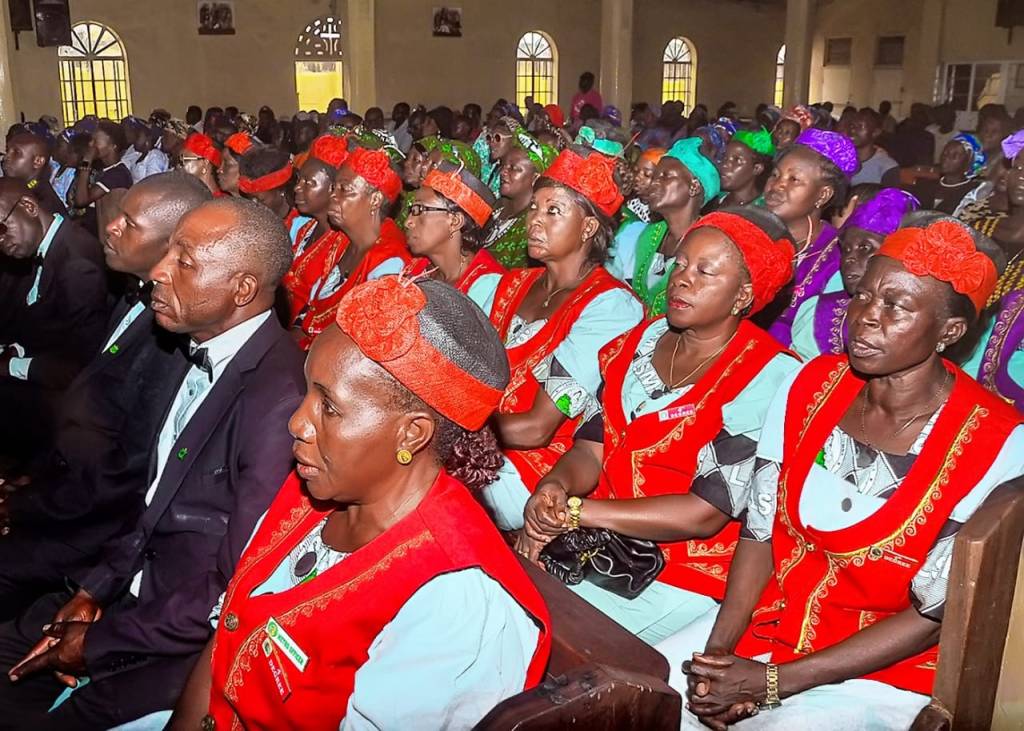
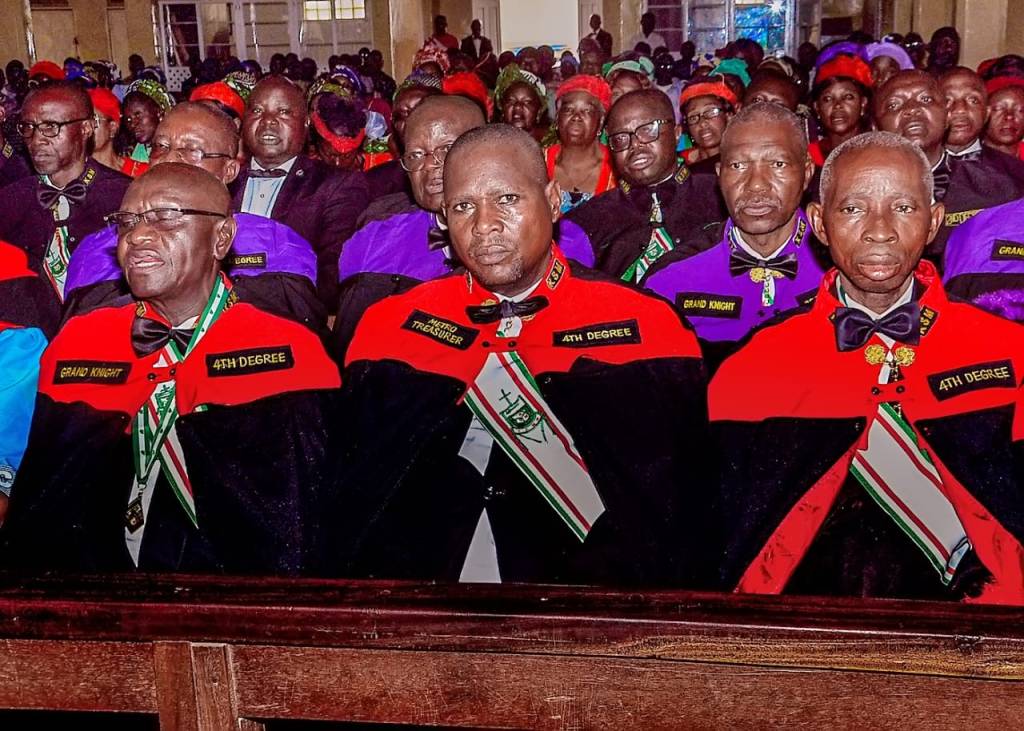
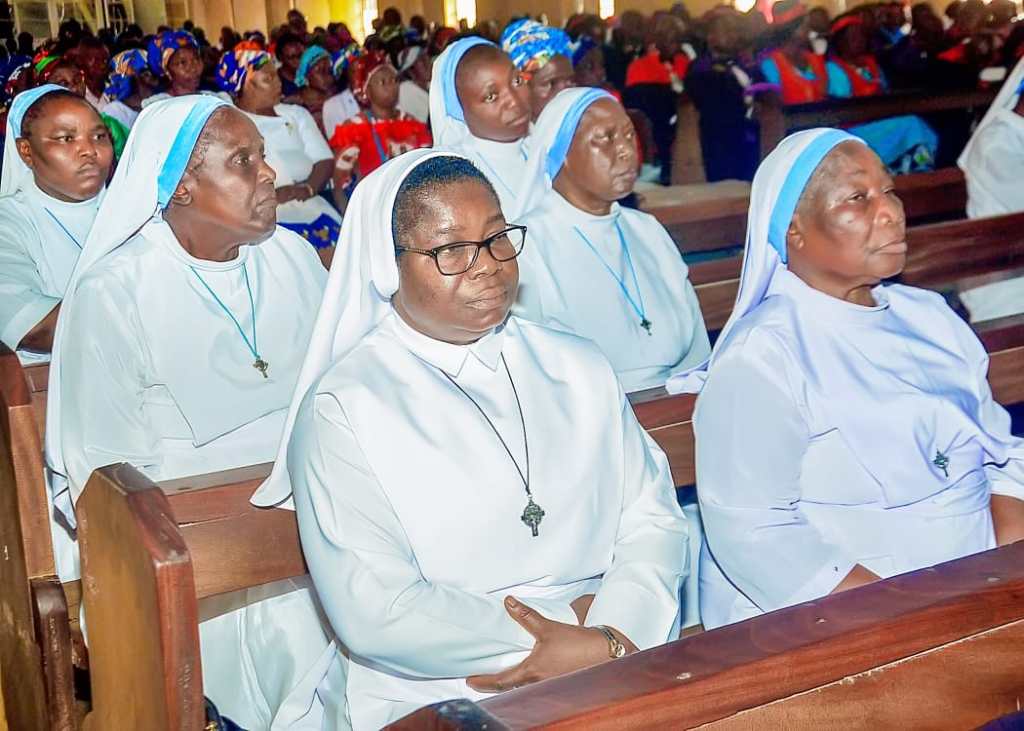
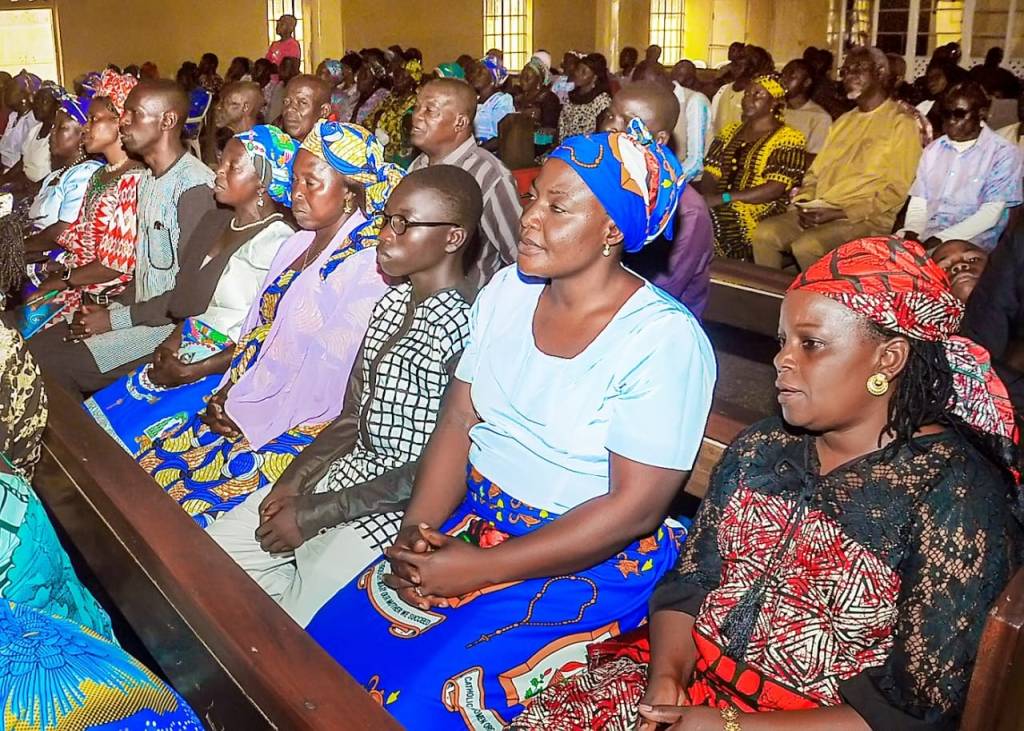
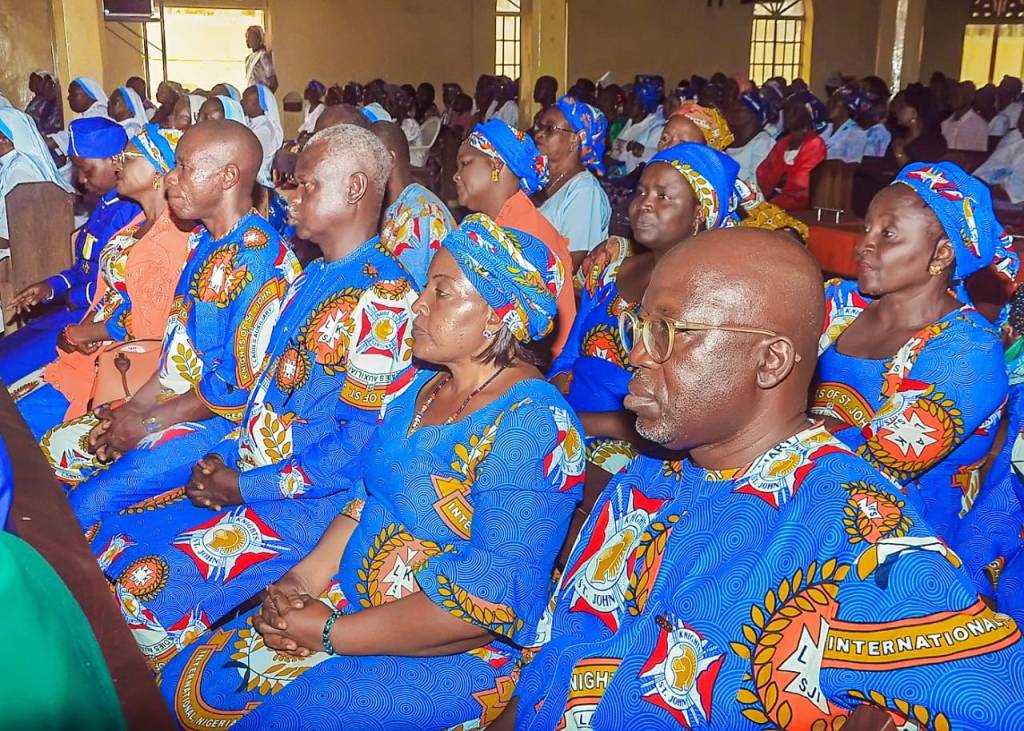
The Mass, presided over by the Archbishop of Jos, Most Rev. Matthew Ishaya Audu, drew a large gathering of clergy, religious, government officials, traditional rulers, and faithful. It coincided with the same day Pope Francis was laid to rest in Vatican City following his passing at age 88 after a long illness.
In his homily, Monsignor Gotan described Pope Francis as “a moral light in a world darkened by inequality and indifference,” noting that his papacy was defined by humility, service to the poor, and an unwavering commitment to justice and peace.
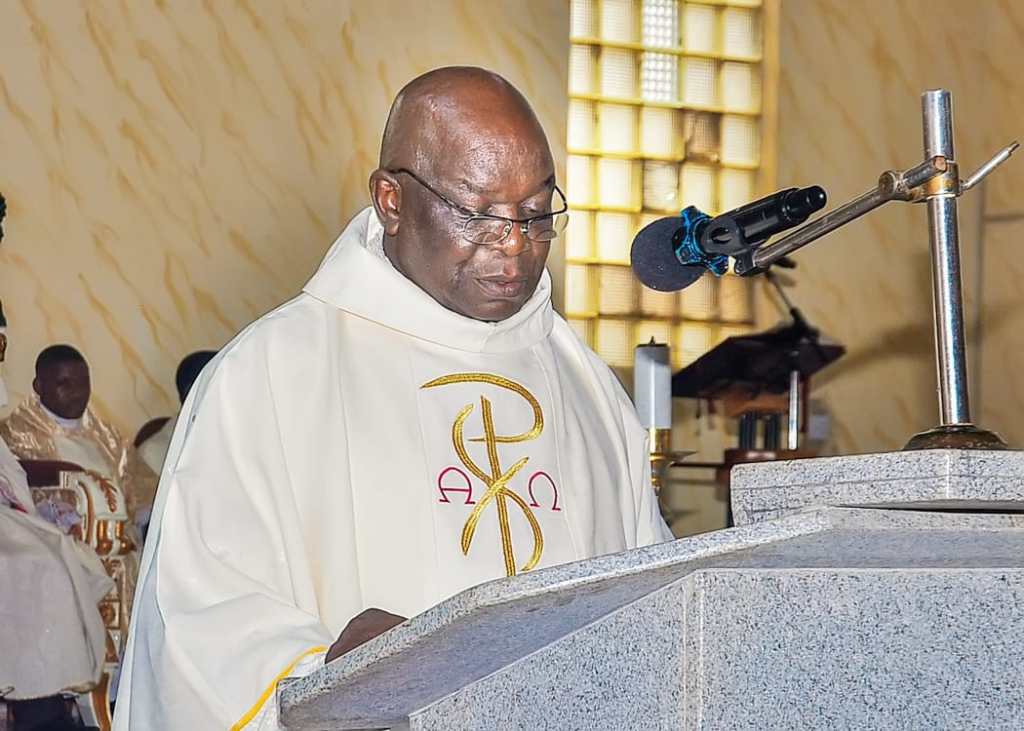
But the homilist quickly turned the reflection toward Nigeria’s present condition. He lamented the erosion of values in politics, governance, and family life, drawing a sharp contrast between the leadership virtues of the late Pope and the “Barnabas model” of leadership that has gained popularity in Nigeria.
“We are jinxed in electing Barnabas leaders,” Gotan said, referencing the biblical figure whom the crowd chose over Jesus. “Our politics today is marked by loyalty to kinship and corruption. We look the other way when leaders steal public funds because they are ‘our own.’ In doing so, we betray justice and ignore truth.”
He went further to condemn widespread impunity, noting that “in Nigeria, stealing a loaf of bread attracts jail, but looting billions earns you applause. The law does not frighten the powerful, only the poor without godfathers.”
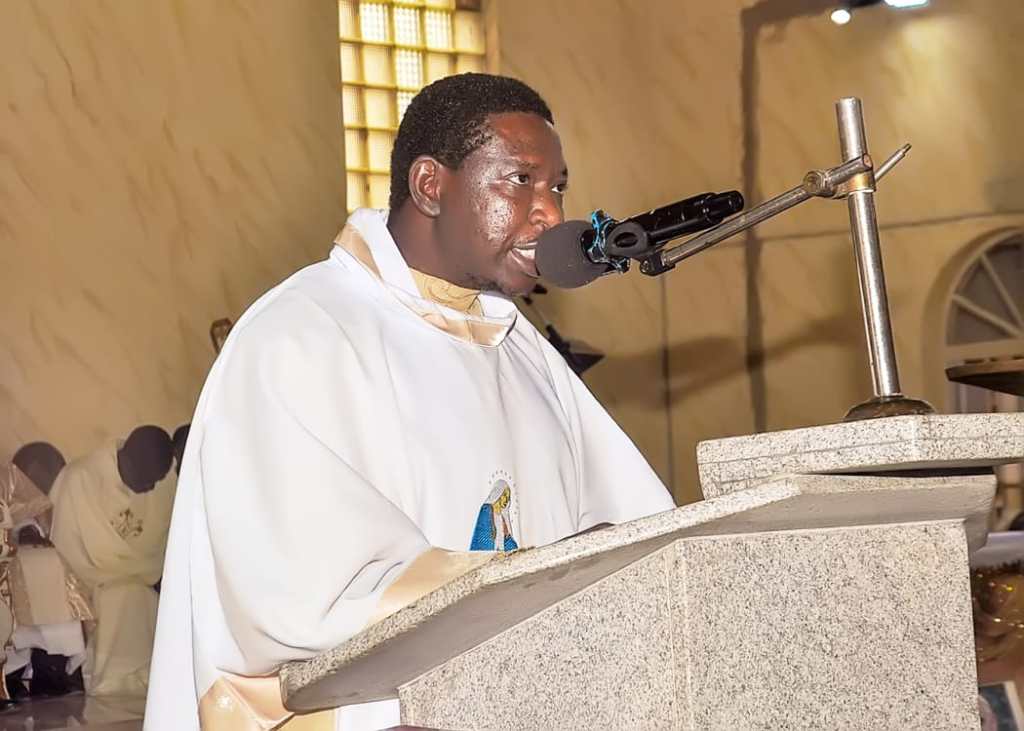
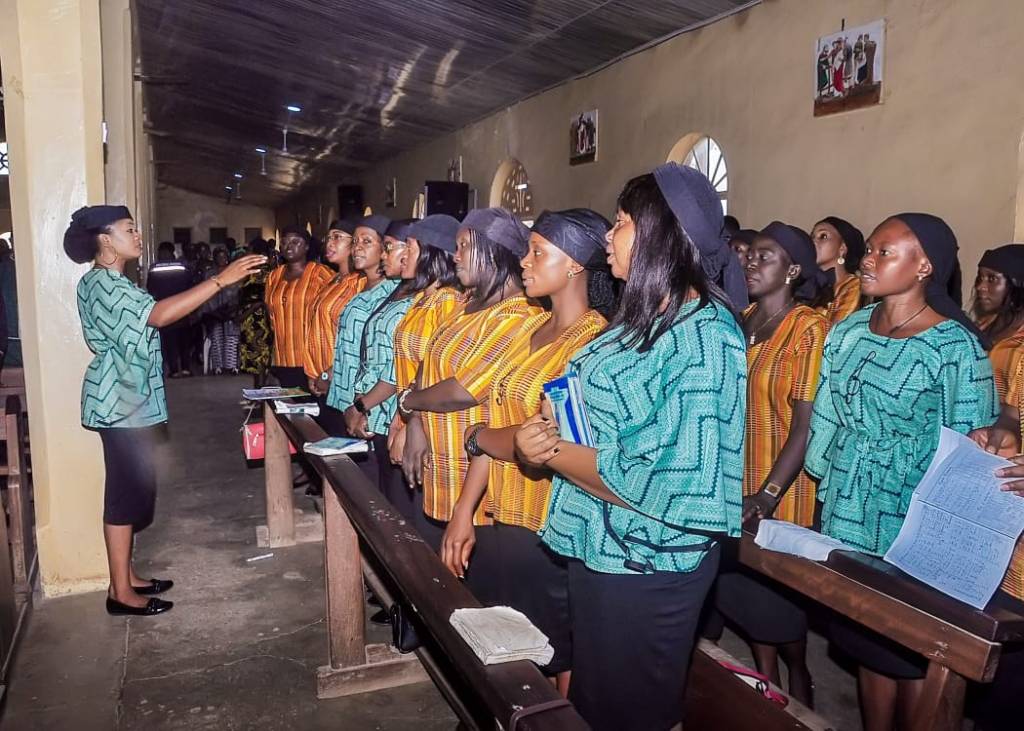
Reflecting on Pope Francis’ legacy, Gotan urged Nigerians, especially those in leadership, to embrace conscience and selfless service. “The Holy Father was not just a pope; he was a servant of the servants of God. He lived for others and reminded us that true leadership lifts people, not self.”
The Vicar General reminded the congregation that Pope Francis’ death occurred within the Easter octave—a time symbolic of Christ’s resurrection and triumph over injustice. Drawing parallels between Jesus’ suffering and the pope’s humility, Gotan said the late pontiff embodied the mission of Christ by being a voice for the voiceless and a guide for the lost.
He also emphasized that death remains a destiny for all, urging everyone to live consciously in view of eternity. “This life is short,” he said, “and we must use whatever role we play to seek salvation, just like Pope Francis did.”
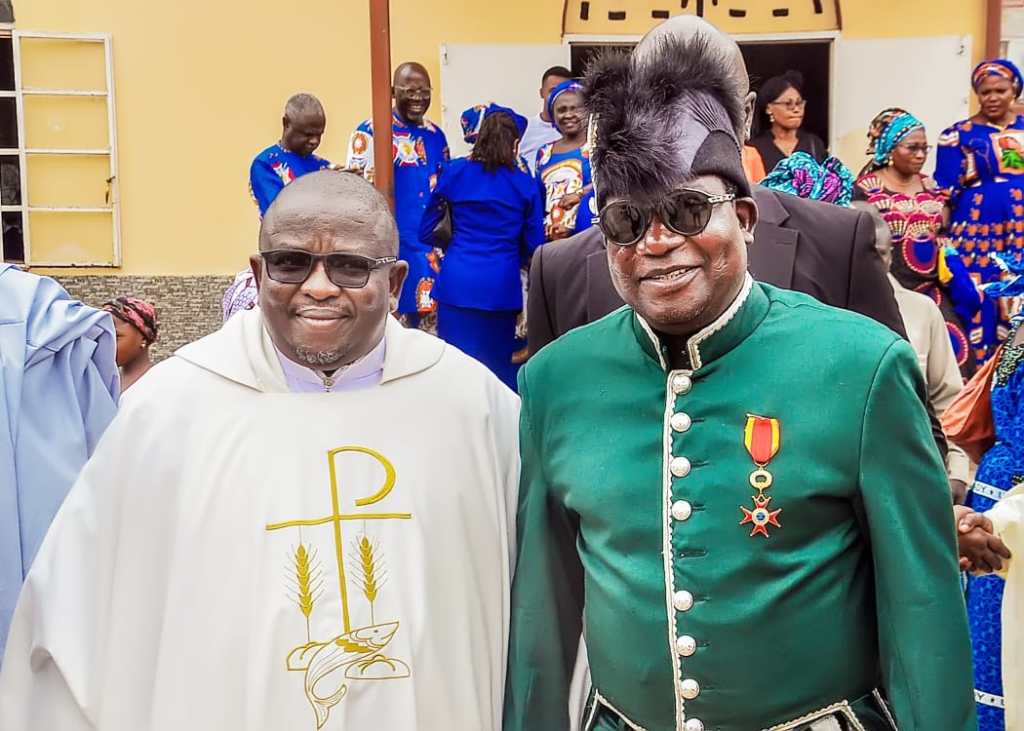

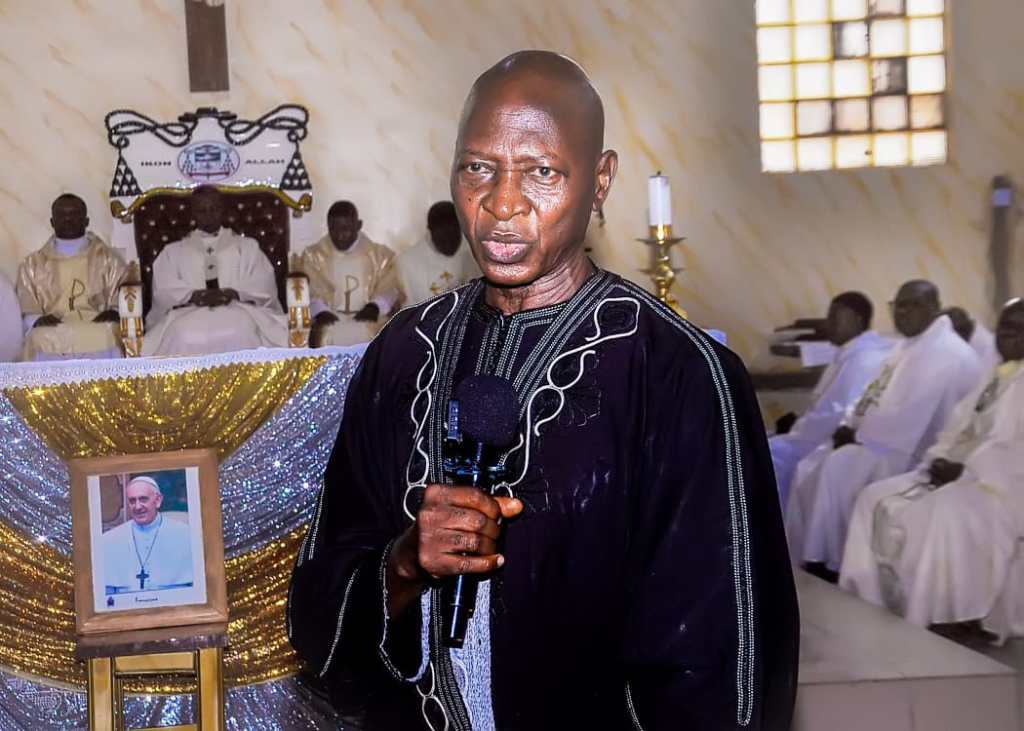
Born Jorge Mario Bergoglio in Buenos Aires, Pope Francis was elected on March 13, 2013, becoming the 266th pontiff and the first from Latin America. His 12-year papacy was defined by outreach to the marginalized, reform of Vatican finances, interfaith dialogue, advocacy for migrants and the environment, and efforts to make the Church more inclusive.
Condolence messages were delivered during the Mass by representatives of the Plateau State Government, the Gwom Gwom Jos, the Christian Association of Nigeria (CAN), and the Archdiocesan Laity Council.
Rev. Fr. Polycarp Lubo, CAN Chairman in Plateau, hailed the pope’s commitment to peace and unity, saying, “By choosing the name Francis, he declared a mission of simplicity, love, and reform.”
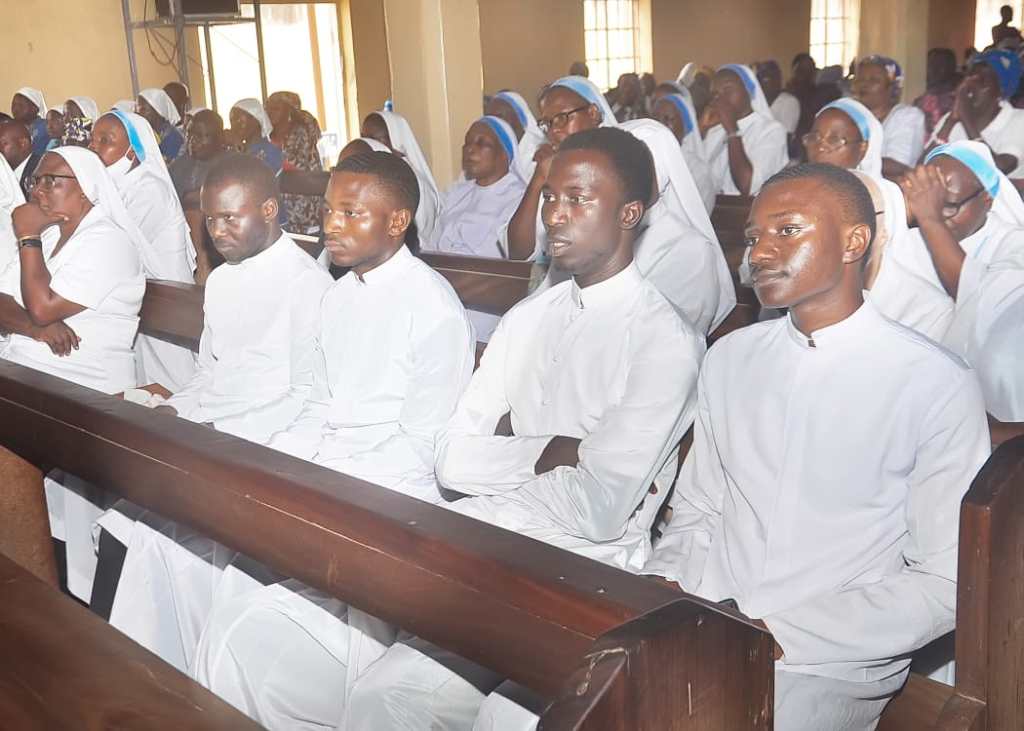

DA Christopher Mancha, who represented the Gwom Gwom Jos, praised Pope Francis’ humility and urged Christians to emulate his lifestyle of service and simplicity.
The requiem was attended by high-profile dignitaries, including former Governor Barr. Simon Bako Lalong, religious leaders across Christian denominations, traditional rulers, and the Catholic faithful across the Archdiocese.
As the world bids farewell to Pope Francis, the message from Jos is clear: to honour his memory is to strive for leadership rooted in truth, compassion, and service to others.

 TWE Media Network
Leave a comment