
By Juliana Uzoka
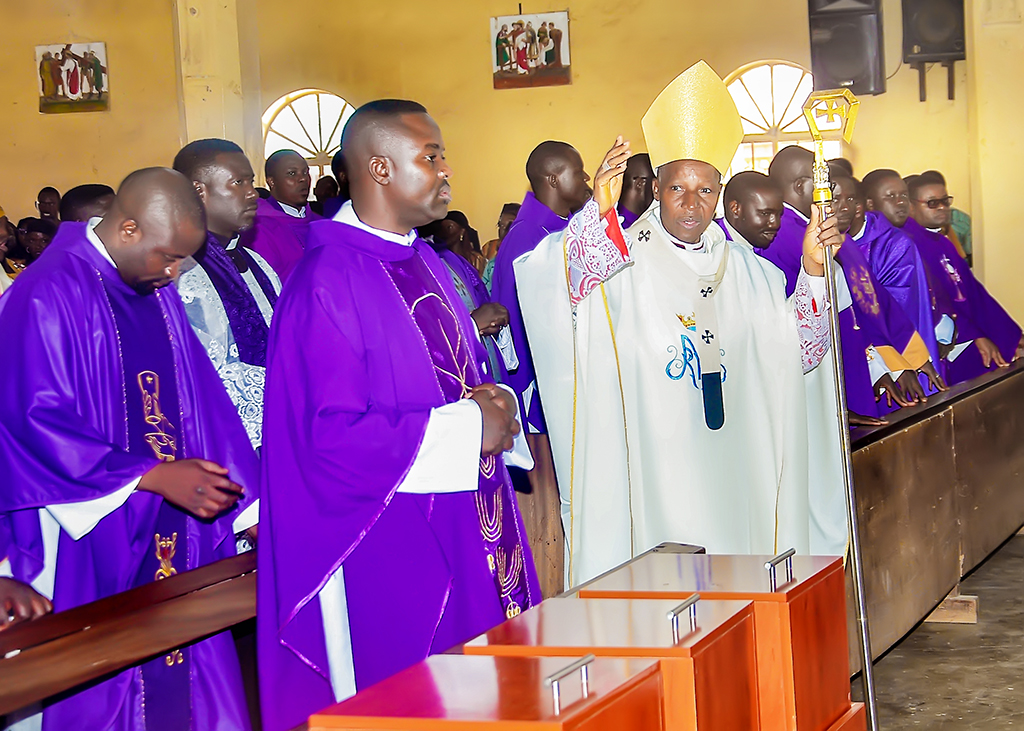
What was meant to be a joyous celebration took on a solemn tone as the rising spate of kidnappings and killings of priests by bandits and criminals cast a shadow over the occasion. The 40th priestly anniversary of the Catholic Archbishop of Jos, Most Rev. Matthew Ishaya Audu, became a platform for urgent calls to action and reflection on the state of the nation.
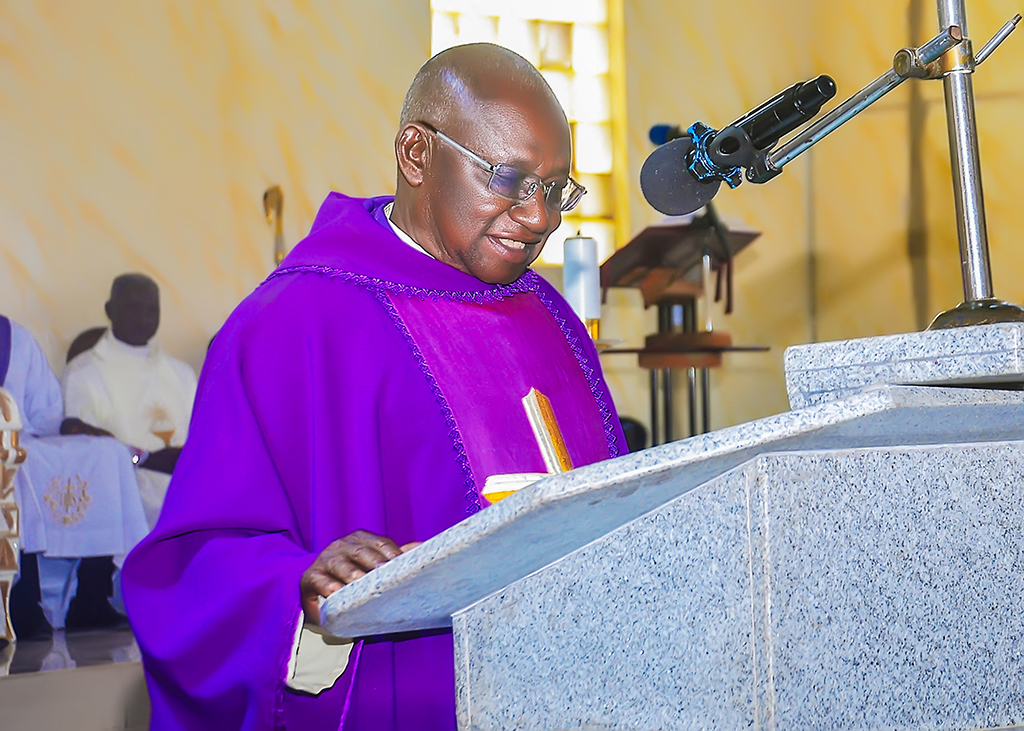
Very Rev. Fr. Joseph Nyam, who preached at the Mass held at Our Lady of Fatima Cathedral, Jos, on 31 March, lamented the heinous crimes committed against priests. He described these acts as worsened by insider betrayal—a violation, he said, of the biblical injunction: “Touch not my anointed.” He warned perpetrators to desist or be ready to “pay dearly for it.”
Fr. Nyam’s homily, though delivered during a triple celebration—40 years of priesthood, 24 years as bishop, and 5 years as Archbishop—was somber and reflective. He decried the frequent targeting of priests by criminals, including the involvement of unscrupulous individuals within the Church community.
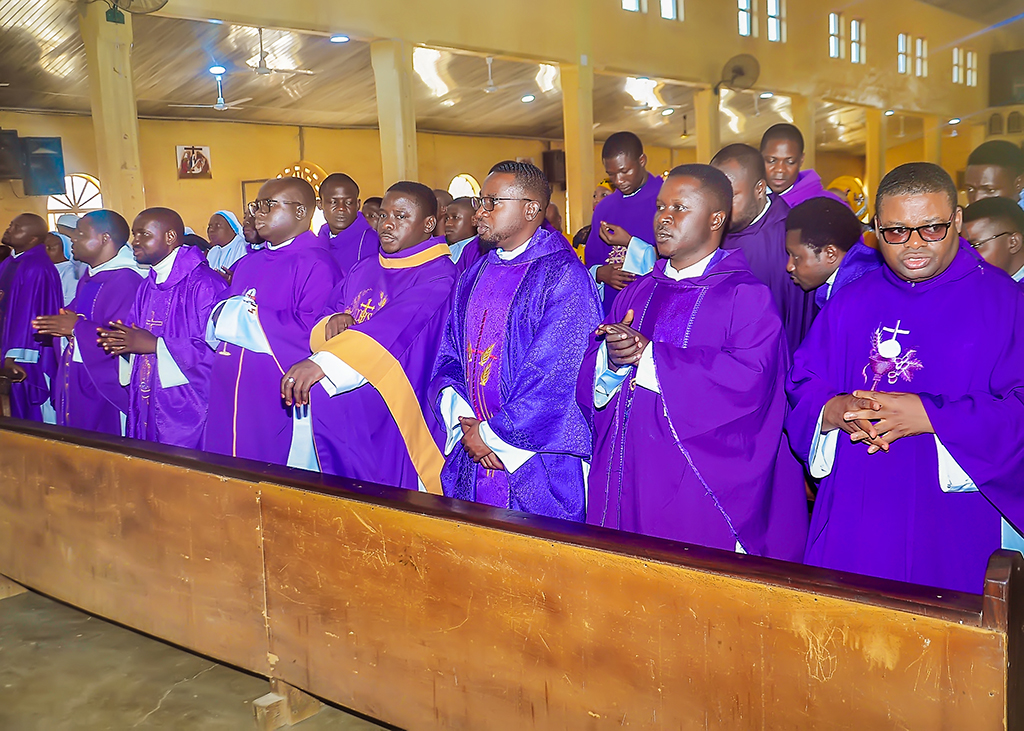
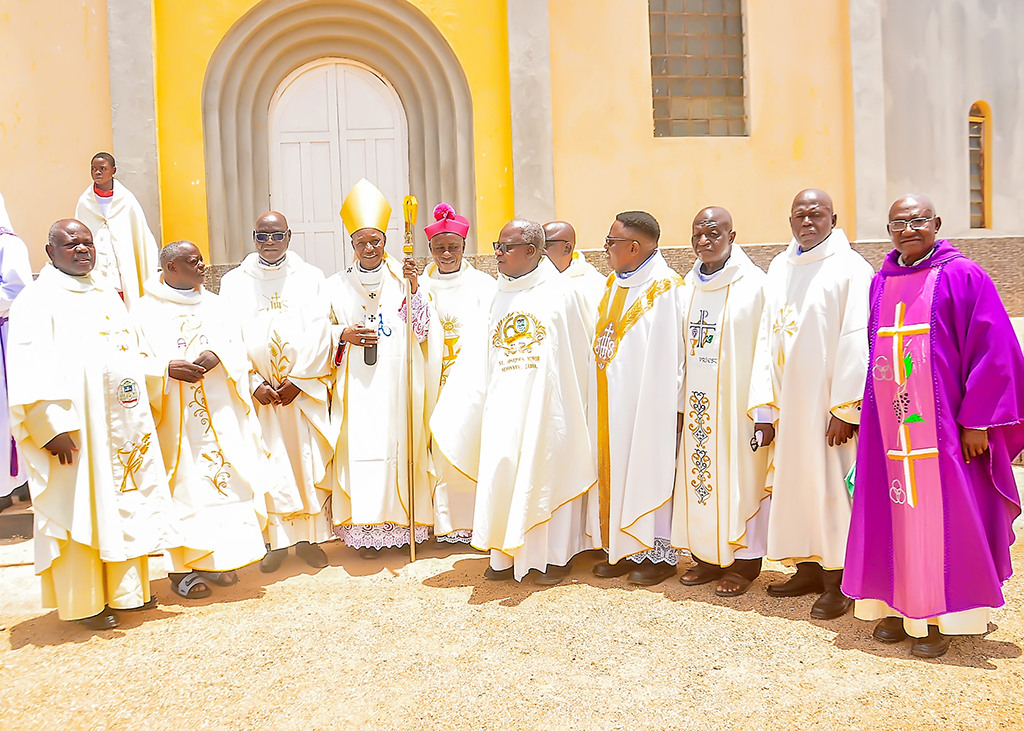
The Mass, attended by Archbishop Audu’s classmates from the 1984 ordination set, featured his classmates in white vestments—a symbol of purity, joy, and fidelity—while others priests wore purple to signify the penitential mood despite the celebration.
Fr. Nyam highlighted the increasing danger faced by priests in Nigeria. Citing a recent tragic incident, he recalled the story of Rev. Fr. Sylvester Okechukwu from Kafanchan Diocese, who was allegedly betrayed by his Mass server, Douglas, and later died in captivity. Douglas was reported to have confessed, “I did not want to kill Father; I only wanted to collect some money.”
A chilling statistic published recently revealed that from 2015 to 2025, about 204 Catholic priests and seminarians have been kidnapped in Nigeria. Some were killed, others died from trauma after their release, some were freed after ransom payments, while a few escaped.
“Since when did priests become commodities to be sold for money?” Fr. Nyam asked. He reiterated, “You will pay dearly for every blood money you collect,” echoing divine warning from Scripture.
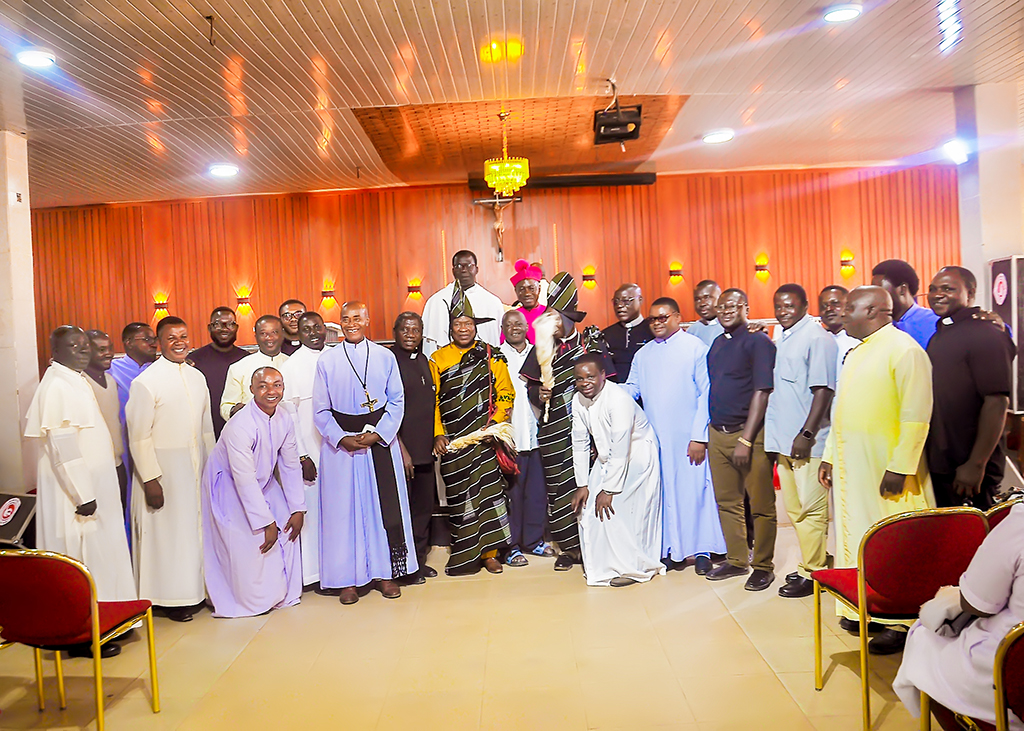
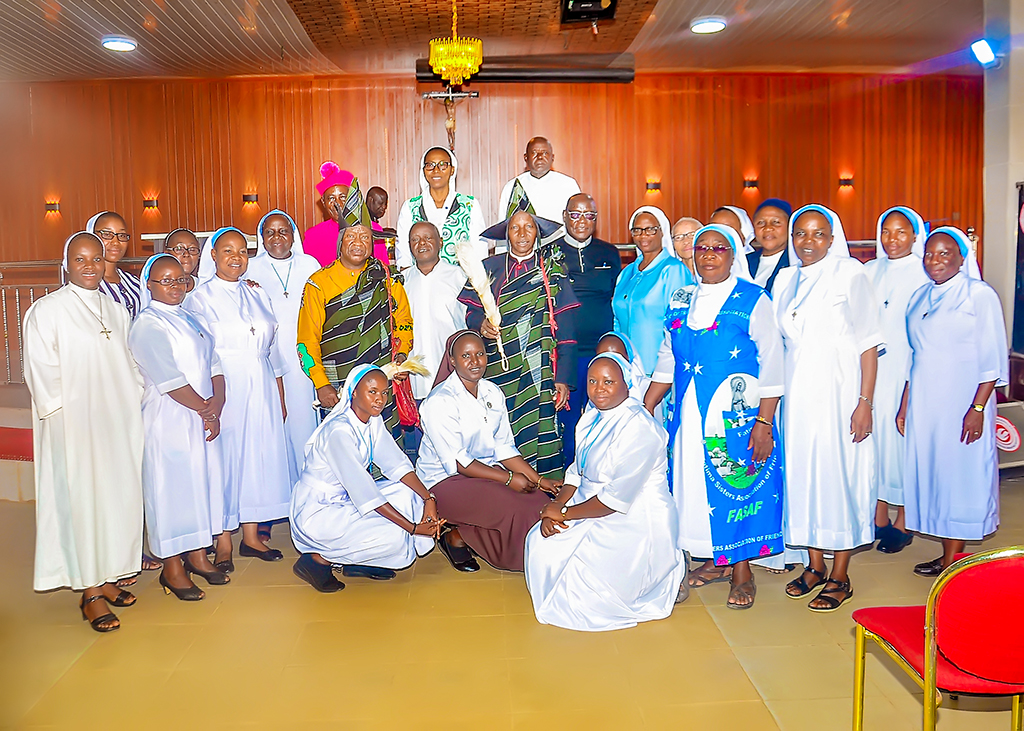

He also cautioned Church leaders and priests: “Be vigilant, be discerning, and above all, be cautious about whom you trust. Don’t let familiarity blind you to danger.” He advised against letting spiritual authority be taken for granted, especially in an increasingly hostile environment.
Fr. Nyam passionately appealed to the government and law enforcement to allow priests to carry self-defense tools such as firearms due to the repeated attacks. He warned that public anger over continued killings might eventually provoke a revolt.
Quoting Matthew 16:19, he reminded the faithful of the spiritual authority entrusted to priests: “Whatever you bind on earth shall be bound in heaven.” He called on clergy to remain upright and faithful in their calling.
Speaking further about Archbishop Audu, he described his office as “spiritual, cultural, and obligatory”—an institution passed down from Christ through St. Peter, with a mandate to teach, sanctify, and govern.
Fr. Nyam emphasized that despite persecution, the Church must maintain its hierarchy and mission. “The Church is mandated to defend herself. Jesus said: ‘I will be with you till the end of time.’” He cited Canons 369, 378, and 401, which outline the attributes of a bishop as a faithful steward—upright, self-controlled, prayerful, not greedy, and dedicated to service.
Archbishop Audu, flanked on the altar by fellow priests from his ordination class, also reflected on the challenges faced by clergy today. He described the priesthood as a divine calling now desecrated by criminals who treat clergy like ransom targets.
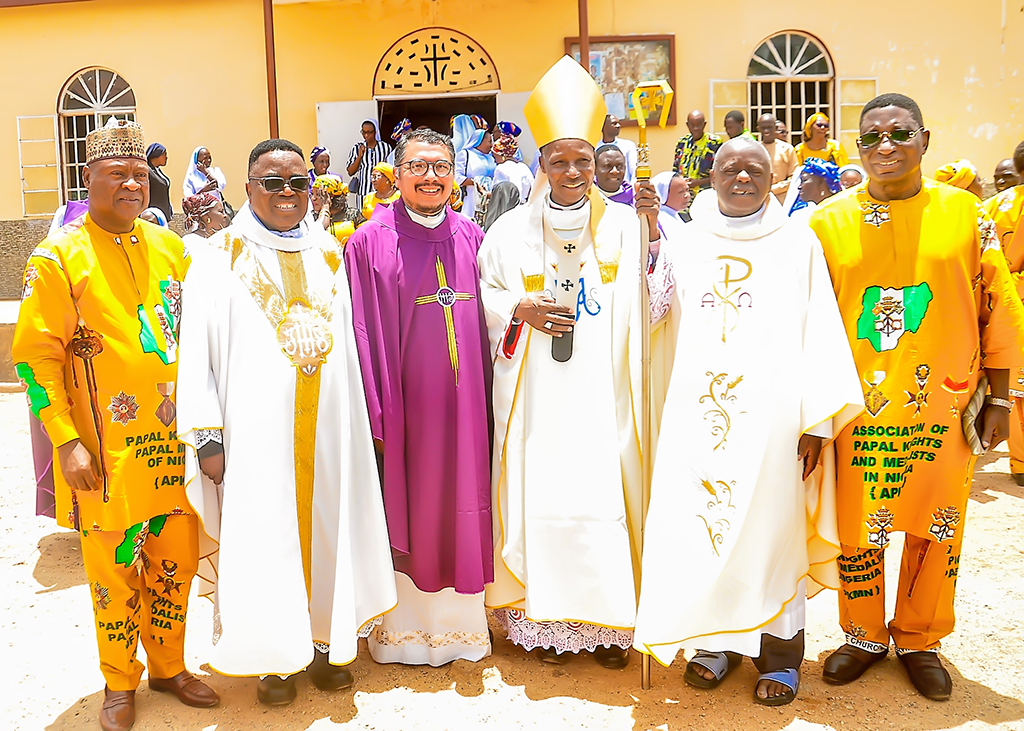

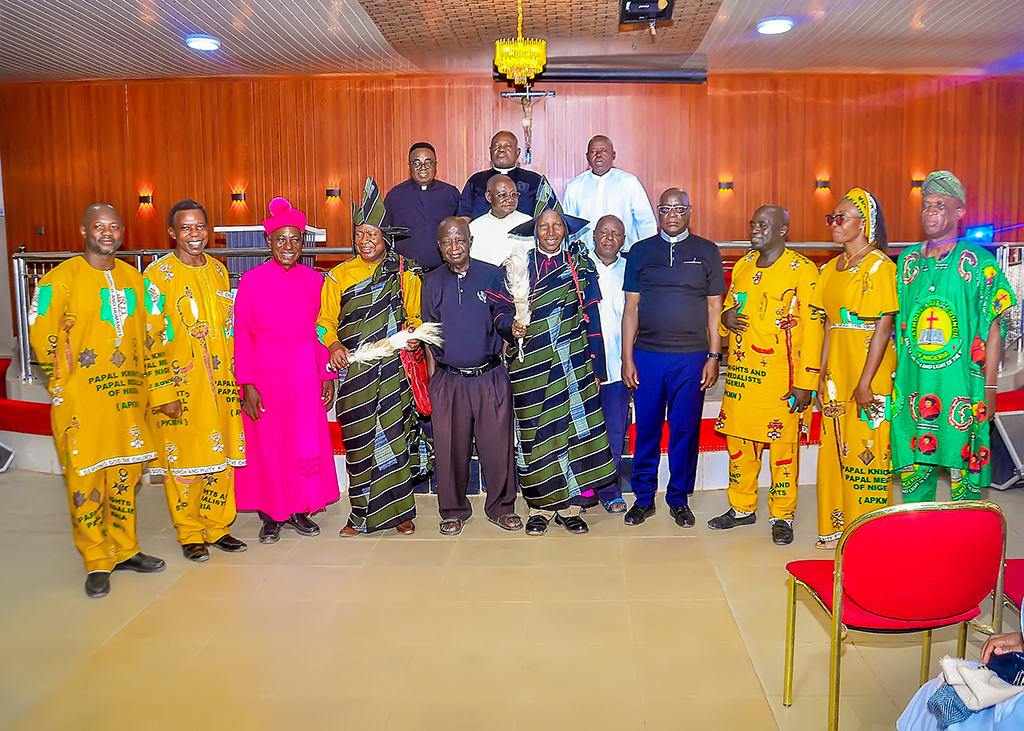
He cited the case of Fr. Augustine, who returned to his community even after being kidnapped and wounded. “His head was cut with a machete, and he bled for three days,” Archbishop Audu recounted, noting the priest’s resilience and continued service.
The Archbishop shared that of the 78 seminarians in his 1984 class, only 27 were ordained, and 11 have since passed on. Still, he and the remaining members keep in touch, encouraging one another in their priestly journey.
Known fondly as Ikon Allah (God’s Will), Archbishop Audu also marked 24 years as a bishop—19 of them as the first Bishop of Lafia Diocese—and five years as Archbishop of Jos. He took over the archdiocese in 2020 amid the global COVID-19 pandemic, with only 50 people attending his inauguration due to lockdown restrictions. Yet, he has remained active, visiting remote communities across the province to teach and encourage the faithful.
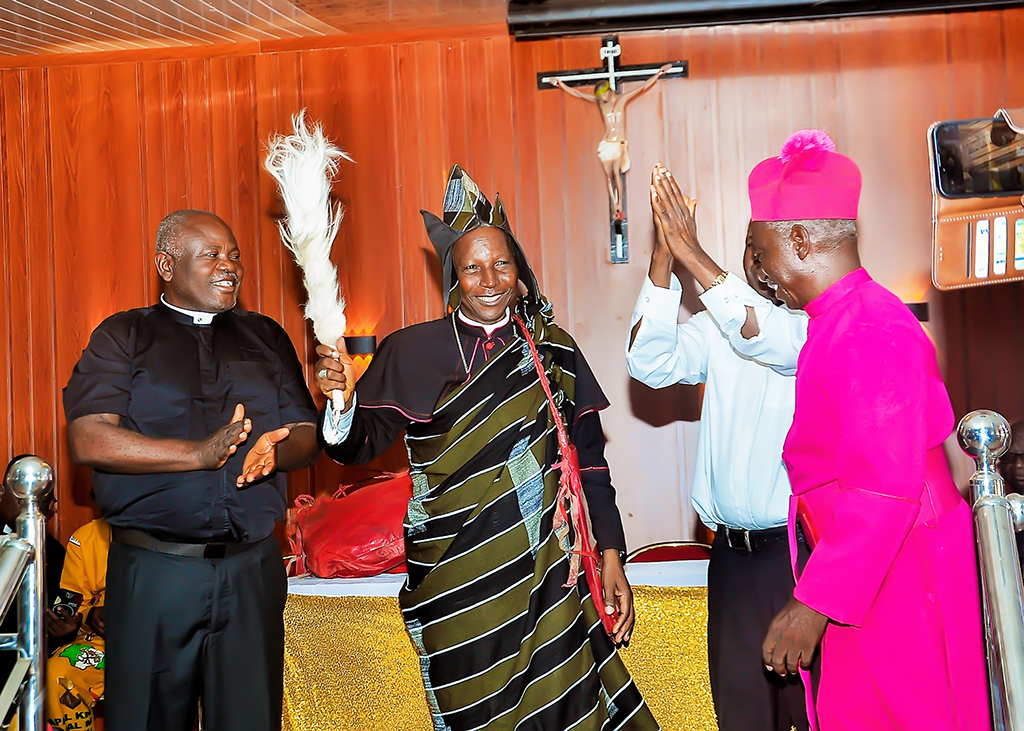
The Archdiocese of Jos oversees dioceses in Bauchi, Maiduguri, Yola, Wukari, Pankshin, and Shendam.
Archbishop Audu expressed gratitude to his priests, religious, and lay faithful for their support. He reminded them that even in failure, it’s never too late to return to God: “Let’s do our best to be closer to God in prayer, and to those entrusted to us.”
He concluded with a word of thanks to those working in difficult and dangerous places: “God has called us to be clergy, and we shall live out that role until death. At ordination, a priest lies down in surrender—it is not himself who lives anymore, but God through him.”
While acknowledging that a few among the laity may act wrongly, Archbishop Audu said the vast majority remain faithful. “The good far outweigh the bad. Let’s keep building a Church that is habitable and holy”.
The Archbishop also encouraged ex-seminarians not to dissociate themselves from their mates but to come closer and be part of the community.
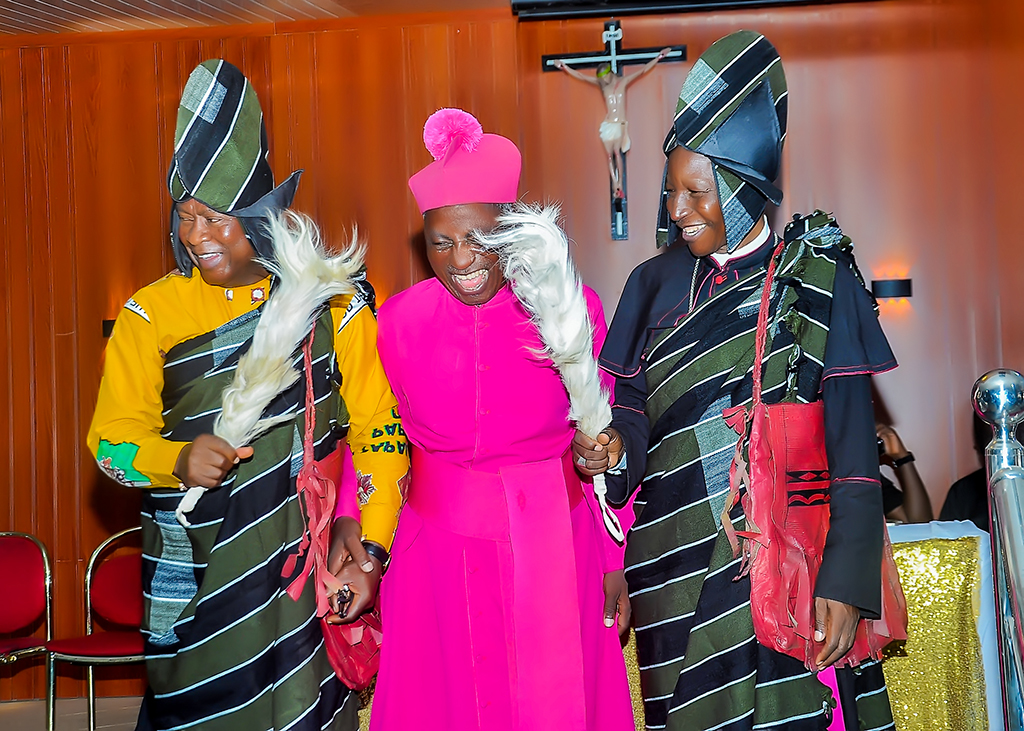
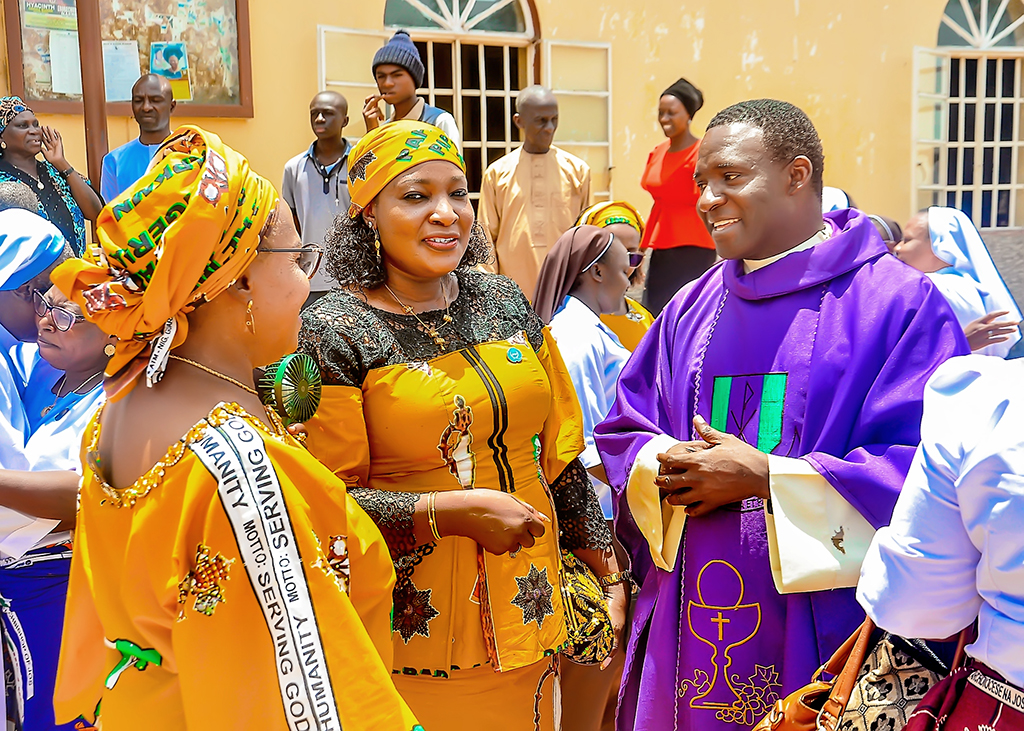
At the reception marking his anniversary, he encouraged the faithful to lend their voices in the form of advice on the best practices they would like to see and other suggestions that would help them become better priests and bishops.
The Archbishop urged the congregation to remember to always pray for their priests.
The permanent secretary of the set, Prof. Pius Ajike from Benue State University, has served as the secretary since they were ordained in 1984. He coordinates the group by writing to inform them about all the activities they are having.
“The journey so far has been glorious. We mediate on behalf of our priest members, especially those with challenges, which often results in positive outcomes.”
The President of the group, Archbishop Audu, is described as a wonderful person: peaceful and humble. “We relate as though we are blood relations. His simplicity is commendable; he is very kind, generous, and caring.”
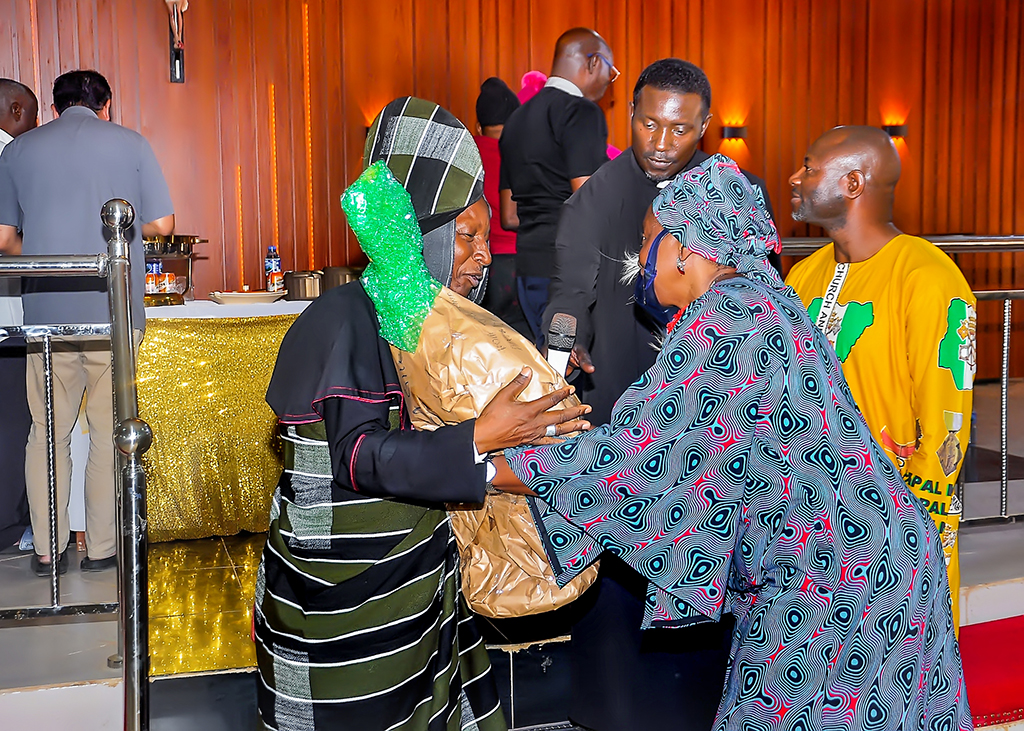
A memory that Prof. Ajike shared about the Archbishop was that he does not want any of his classmates to be lost. He goes against popular demand to ostracize an erring member; instead, he draws the member closer and ensures he journeys with them until all is sorted out peacefully.
“He is caring and merciful. Even in his diocese, he does not want a priest to be sent away or cast out from the group. Not every bishop does that. Some bishops prefer to condemn their priests, but Archbishop Audu clearly does not hate anyone in his life. It is a life we are emulating, which is why we overwhelmingly accept all that he asks us to do. He organizes us.”
A prominent member of the Church and former Governor of Plateau State, Ambassador Fidelis Tapgun, noted that in the past five years, Archbishop Audu has fared well and wished him more of God’s grace and a long, well-lived life in the Archdiocese. “We pray that God will continue to strengthen him. Our prayer is that the lay people will continue to offer their support so that he can continue the good work he is doing for the Archdiocese.”

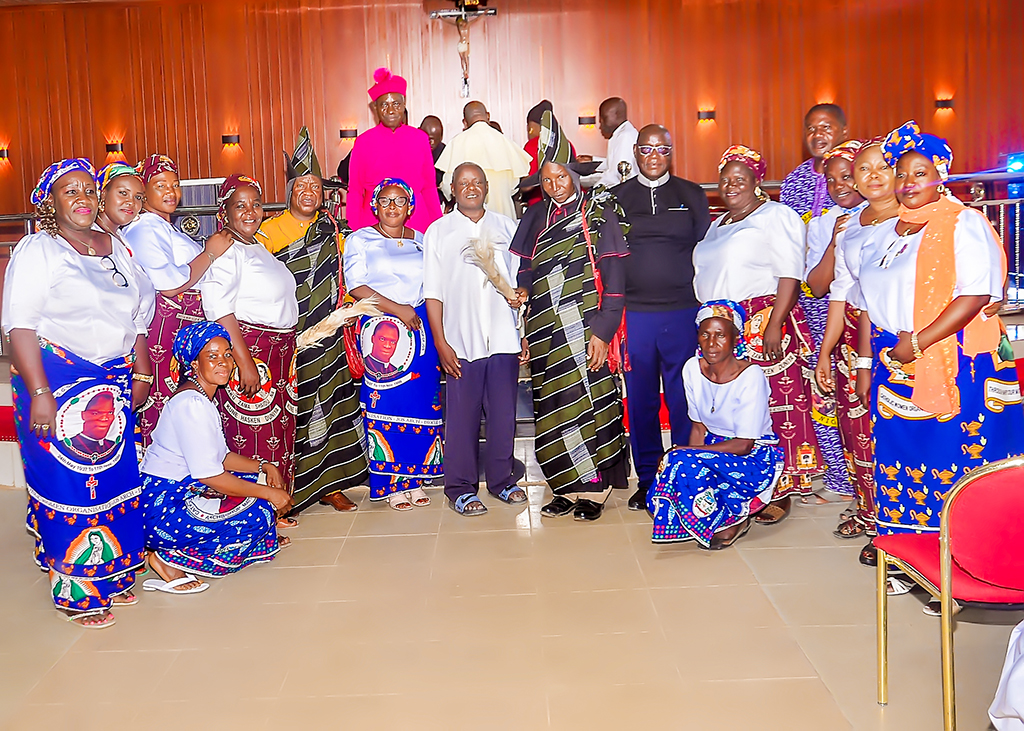
An ex-seminarian and member of the 1984 set, Sir Joe Ari, nicknamed Bishop Ari, shared his thoughts during his time in the seminary: “I believe in the biblical injunction that many are called, but few are chosen. We can serve the Lord in many respects; we have different vocations. The priesthood is one vocation, and there are seven sacraments. I’m grateful to God that the Church has given us these seven sacraments. I bet you, if you follow these sacraments religiously, you are heaven-bound.”
Some advice shared by members of the Archdiocese, including priests, religious, and lay faithful, includes the promotion of a detribalized Church community, adequate rest, and proper nutrition. They also highlighted some of the Archbishop’s attributes, including simplicity, availability, and humility.

 TWE Media Network
Leave a comment