
By TWE News Desk

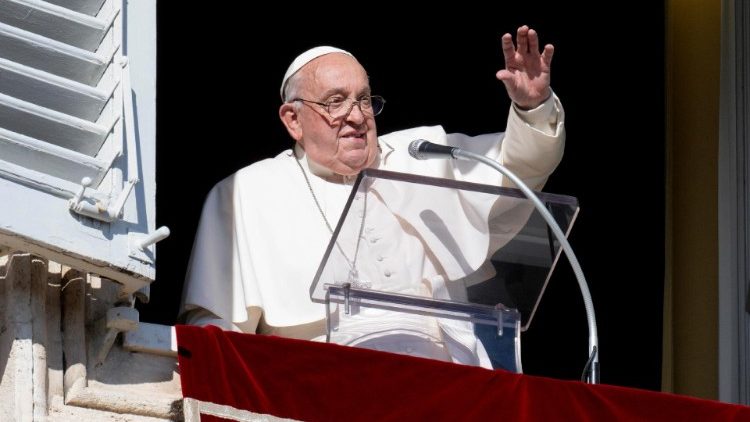
Pope Francis’s health has improved significantly, say his doctors, who had previously guarded his prognosis over the past three weeks following the illness that afflicted him on 14 February.

The Holy See Press Office, continuing its updates on the Pope’s health condition, stated on Tuesday that due to “improvements” observed in his  health, his prognosis is no longer guarded – an indication that he is no longer at high risk of a relapse.

In the statement, the press office said “as confirmed’ considering all episodes recorded within the past days, a positive report of “both blood tests and clinical findings” shows the Pope’s good response to pharmacological therapy as well.

“However, given the complexity of the Pope’s clinical picture and the severe infection present at the time of hospitalization,” it further stated, “it will still be necessary to continue pharmacological treatment in a hospital setting for a period of time.”

Vatican News stated that the Holy Father continued his daily treatment routines, including physical therapy for respiration and mobility, followed by the Spiritual Exercises by the Roman Curia via video link. The statement added he also devoted substantial time to prayer.

Pope Francis also received the Eucharist and visited the chapel of his private apartment for prayer. The press office indicated that the 88 year pontiff also participated in the Roman Curia Spiritual Exercises both morning and afternoon, on Monday. This annual event was led by the Preacher of the Papal Household, Fr. Roberto Pasolini, OFM Cap.

Known for keeping abreast of global events, he “sent a telegram of prayers and closeness” to the government of Argentina for the ”deadly flooding” in the port city of Bahia Bianca and the nearby town of Cerri.

The Pope, who had suffered from double pneumonia and other critical relapses of respiratory infections, continues to receive prayers and Rosaries recited in St Peter’s Basilica, in Rome, and around the world for his recovery and healing.

Leave a comment

Recent posts

Quote of the week

What are the attributes of our Blessed Mother Virgin Mary that Christians should emulate?

The attributes of the Blessed Virgin Mary that Christians are encouraged to emulate include a range of virtues that reflect her exemplary holiness and deep faith.

Faith and Trust: Mary is recognized for her profound faith and docile acceptance of God’s Word. Her response to the angel Gabriel exemplifies a complete trust in God’s plan, which serves as a model for Christians to surrender to God’s will in their own lives.

Obedience and Humility: Her generous obedience to God’s call and her genuine humility are highlighted as virtues that Christians should strive to embody. Mary’s willingness to accept her role as the Mother of God demonstrates a humble acceptance of divine purpose.

Charity and Compassion: Mary’s solicitous charity, particularly in her visit to Elizabeth and her care for Jesus, reflects a deep love for others. This attribute encourages Christians to practice love and service towards their neighbors.

Wisdom and Reflection: Mary’s profound wisdom, as seen in her contemplative nature and her ability to ponder the events of her life, invites Christians to seek understanding and insight in their own spiritual journeys.

Fortitude in Suffering: Her strength during times of suffering, particularly at the crucifixion of her Son, serves as an example of enduring faith amidst trials. Christians are called to find strength in their own challenges by looking to Mary’s example.

Maternal Love: Mary’s maternal love is a model for all who are called to nurture and support others. This aspect of her character encourages Christians to foster a spirit of care and compassion in their communities.

Devotion and Prayer: The importance of prayer and devotion to Mary is emphasized, as she is seen as a powerful intercessor. Christians are encouraged to turn to her in prayer, seeking her guidance and support in their spiritual lives.

By reflecting on these attributes, Christians can strive to incorporate them into their own lives, thereby growing in holiness and virtue as they follow the example set by Mary, the Mother of God.

Magisterium of the Catholic Church