

By Juliana Uzoka
The Plateau State Independent Electoral Commission (PLASIEC) has engaged stakeholders in an interactive session to conduct a post-election evaluation of the concluded local government elections, to identify lessons learned and areas for improvement in future elections.
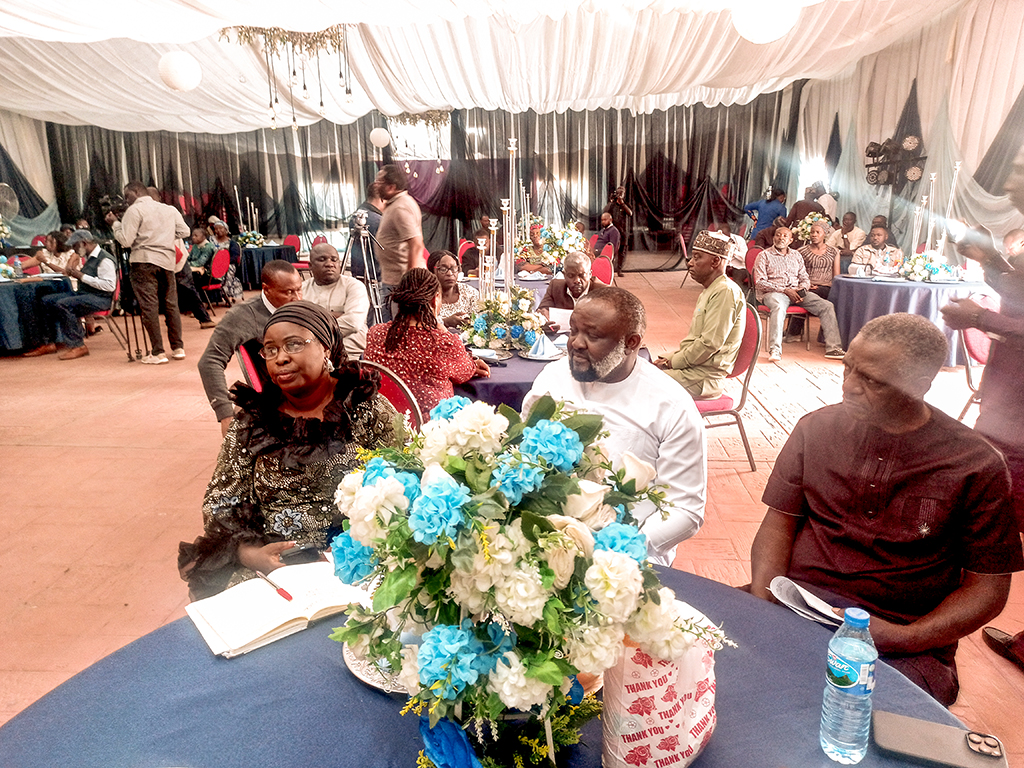
PLASIEC engaged with three groups: the political parties that participated in the last Local Government Election (including their chairmen and secretaries), the media, and civil society organizations in the post-mortem of the 9 October Local Government elections in the state.
The event on 11 December, in Jos, was to foster interactions and gather feedback on what PLASIEC could learn during and after the elections to improve future processes.
In his remarks, PLASIEC Chairman Plangji Cishak emphasized the importance of media engagement and collaboration with political parties. He stressed the need for all stakeholders to play deliberate roles in advancing the cause of credible elections in the state.
Pledging to leave PLASIEC better than he met it, he stated, “No institution should think it is more relevant than the other. That would be an erroneous misconception not to be entertained.”
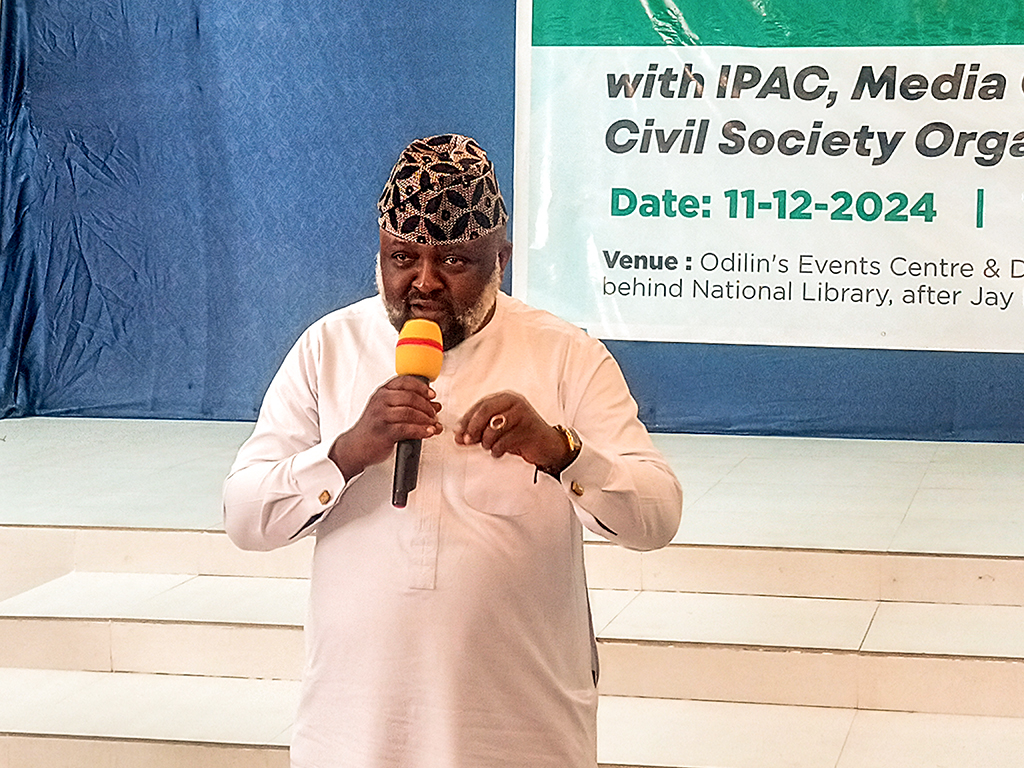
He further said, “While we were going around sensitizing stakeholders, I remember some members of the organization thinking I was wasting time and energy on statewide engagements.”
Cishak commended PLASIEC’s well-trained staff, who he noted now fully understand the election process. He also praised the efforts of the ad hoc staff but apologized for the poor information management that delayed their prompt and effective payment.
“It is quite unfortunate that people who were instrumental in the fieldwork could not access their payment,” he said, adding, “It is not out of mischief; these are our younger ones, and we intend to improve their lives.”
Cishak announced plans to produce strategic objectives for the next two to three years. He noted that one of the key criteria would be recruiting the right people, particularly those who will manage the voter verification system.
“In terms of deployment, we could not get it right,” he admitted, attributing the challenge to the limited time frame after assuming office and the inadequacy of staff training.
He also revealed plans to obtain PLASIEC’s own devices and commence early preparations to eliminate excuses in future elections.
“Our electoral law is one of the best in the country,” he noted, though he acknowledged the need for improvement in material distribution and execution.
Cishak expressed his initial dismay at the depth of work required but credited his team, especially the commissioners, for their unwavering support. “The onus was on me to succeed, as no one else would be blamed if failure occurred,” he said.
The Secretary to the State Government (SSG), Arch. Samuel Jatau, who declared the event open, called for patience and understanding, saying, “There’s no perfect human being, and so there’s no perfect institution.” He emphasized the importance of making institutions credible and reliable, regardless of individual imperfections.
“Our decision is to make the institution bigger than the people who occupy it,” he said, explaining that PLASIEC had conducted its postmortem and sought to expand conversations to include critical stakeholders for a balanced evaluation.
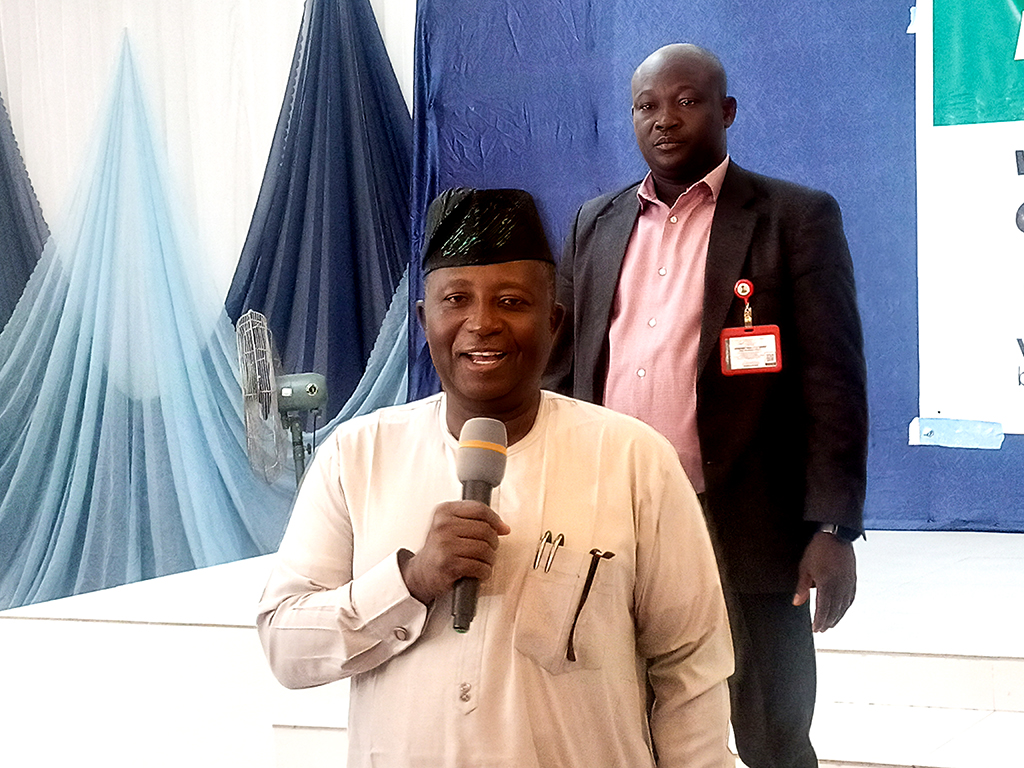
Looking ahead, he highlighted plans to engage the security apparatus and align with international conventions on electoral systems to develop strategic plans for the next two to three years.
The SGS emphasized the importance of leadership with integrity, stating, “When an organization performs well, it is because of good leadership. If you engage a chief executive with low capacity, there will be rancor everywhere.”
Commending the PLASIEC Chairman, he added, “The electoral body has been given the independence to perform, so there’s no reason to disappoint the Plateau people.”
While acknowledging the areas for improvement, Jatau praised PLASIEC officials for “doing Plateau State proud.” He also shared his unique yardstick for measuring electoral success: “For me, the easiest measure is this: if the morning after the election, you can move around freely in Jos North, then the election has been successful. This election came and went as if nothing happened.”
Jatau urged all political parties to prioritize the collective good, likening political parties to vehicles with a shared destination. He also emphasized the importance of team spirit, fairness, and robust engagement in achieving further improvement.
“This process is about what has been done right, what went wrong, and what can be done better,” he said, warning PLASIEC against complacency and urging them to perform even better in future elections.
The event also saw journalists airing their observations. PLASIEC encouraged media practitioners to provide candid feedback, emphasizing, “We want to do better; that is why we called you.”
Journalists expressed diverse opinions about the conduct of the local government elections. While acknowledging PLASIEC’s efforts, they highlighted areas needing improvement, such as the inadequacy of ballot papers, untimely distribution of materials, inefficiency in using the voter verification system, and poor engagement with media organizations.
Commendations, however, included the establishment of a situation room to address anomalies and ensure effective communication. Other recommendations included increasing awareness campaigns, adequately training staff to use voting software, and improving synergy with political parties.
The Chairperson of the Nigeria Union of Journalists (NUJ), Plateau State Council, Ayuku Pwaspo, described the observations made by media organizations as credible and urged PLASIEC to sustain its achievements.
She commended the peaceful conduct of elections in Jos North and stressed the importance of maintaining robust information management after elections.
Polycarp Auta of the News Agency of Nigeria (NAN) commended PLASIEC for exceeding the performance of past local government elections in the state. “No electoral system is without flaws, but the last local government elections can be adjudged the best in the past three years,” he said, grading the process a 70% success.
Auta praised the voter verification system introduced by PLASIEC, describing it as a locally sourced innovation that deserves applause. However, he noted poor publicity during election campaigns and urged PLASIEC to address the challenges raised.
The parley concluded with a shared commitment by PLASIEC, the media, and other stakeholders to build on the successes achieved while addressing the lapses identified to ensure even better outcomes in future elections.

 TWE Media Network
Leave a comment