
By Chioma Polok
For Centuries, the Catholic Church has built citadels of academic excellence and moral growth, contributing significantly to human development and nation-building. Catholic schools operate in a multidimensional manner, offering an integrated approach to human development, nurturing individuals spiritually, intellectually, morally, and physically.
Catholic Archbishop of Jos, Archbishop Matthew Ishaya Audu, underscored the place of Catholic education in inculcating values, setting trends and producing qualitative education to harness human and national development.
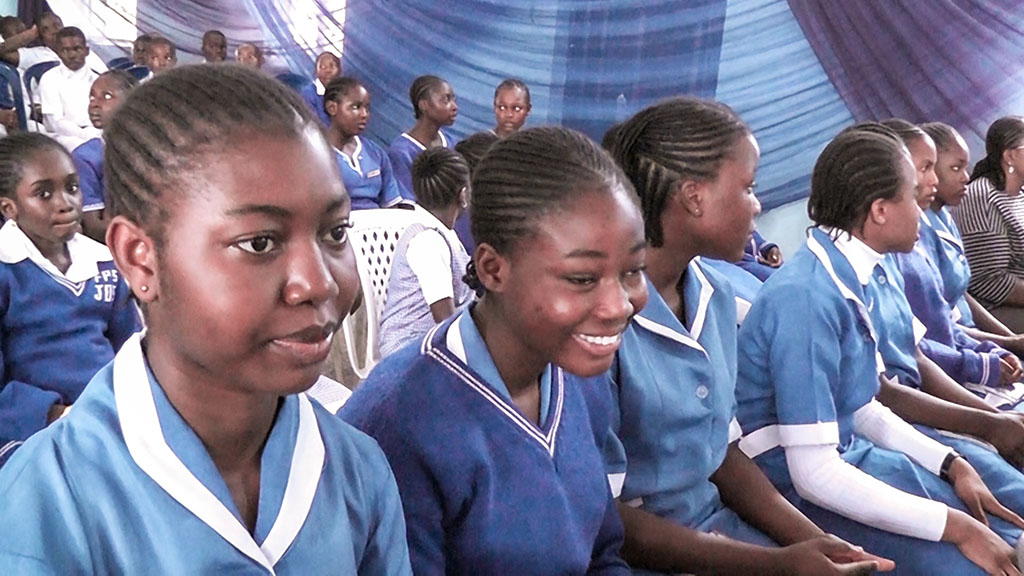
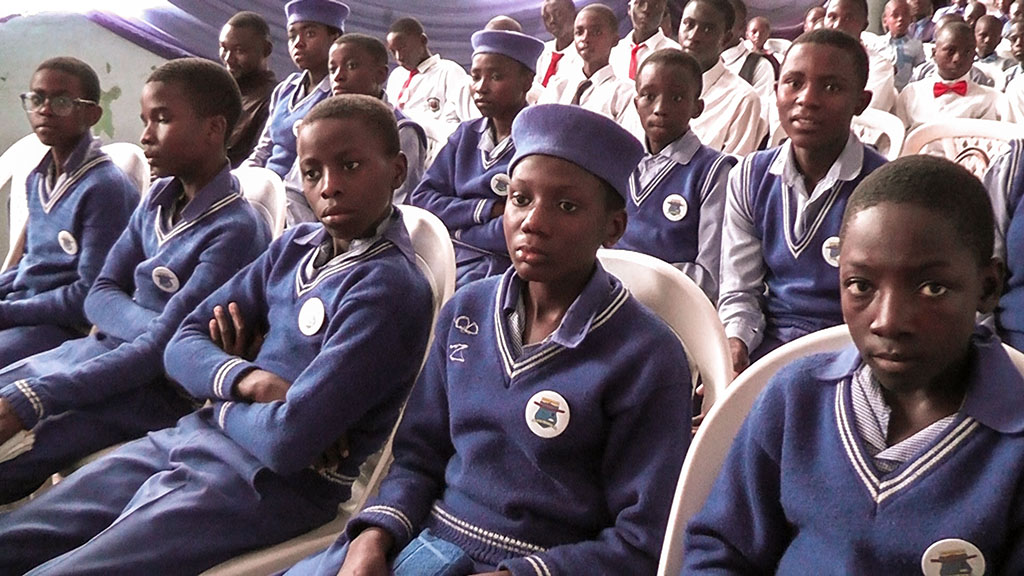
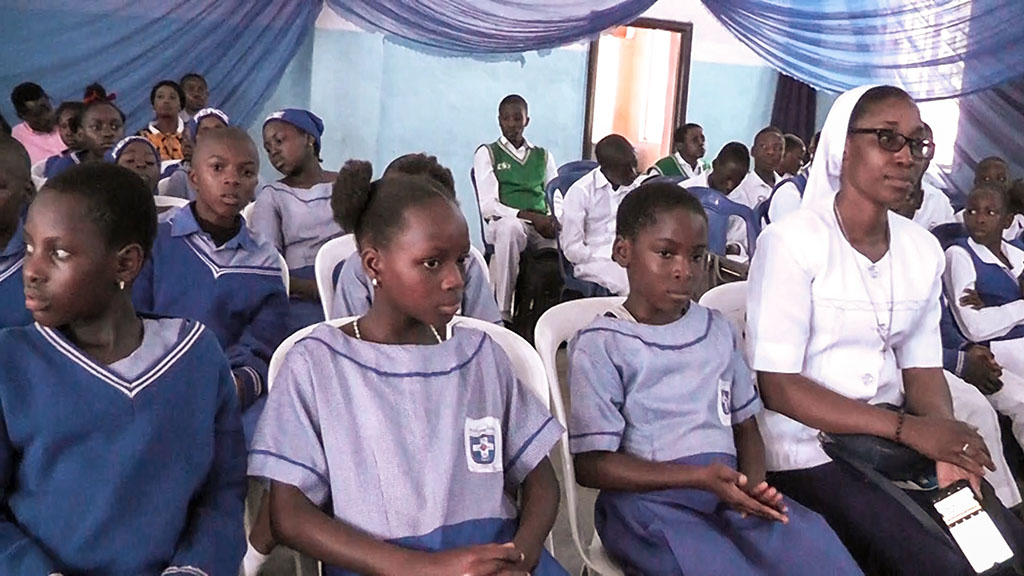
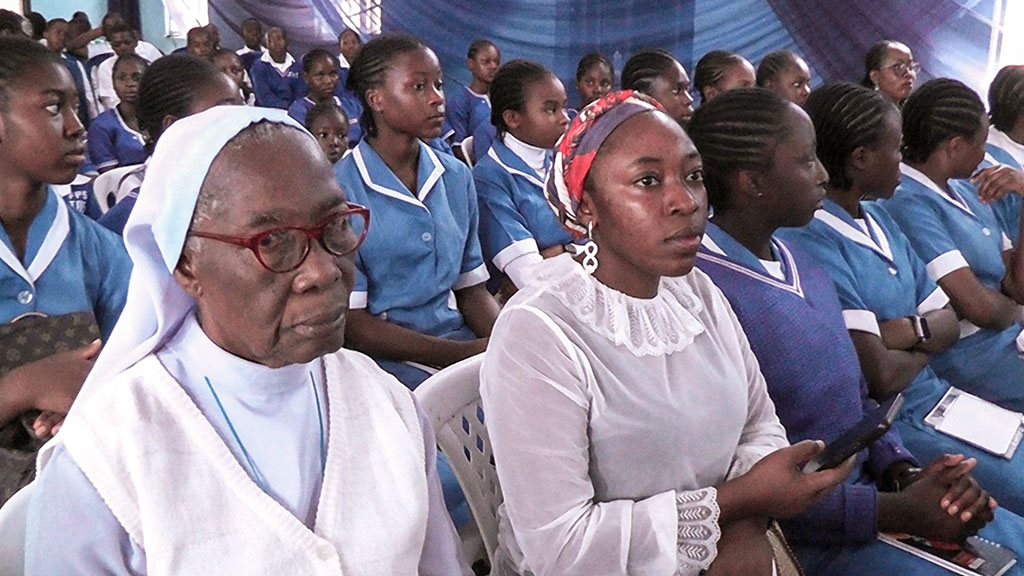
Archbishop Audu made these assertions during the Bi-Annual Education Day, which took place at St. Louis College, Jos, on the 15 October, with the theme: “Catholic Education: Celebrating God’s faithfulness.” The event, which also coincided with the memorial of St. Theresa of Avila, a Doctor of prayer, was marked by a solemn Mass celebrated by the Archbishop.
Highlighting the values of Catholic education, the Archbishop noted that faith-based educational system “ensures good morals formation, academic excellence and a commitment to community service.”

The formation of the child from adolescence to adulthood is an intricate value the system bestows through its founding fathers who advocated that:
“basic education must not be separated from religious and moral instructions.” He urged government to work towards promoting religious education in schools.
Decrying the spate of moral decadence in the society, the Archbishop took a swipe at the older generation who he said had failed in their duty to promote exemplary lifestyle divorced from negative influence in the society.
He further emphasized that radicalism, extremism, drug abuse, violence and other crimes associated with young people could be traced to poor educational background and negative influence occasioned by peer pressure.
“Some who went to catholic schools with the entire moral standard attained are the same people spare-heading evil in the society. They are worse than those who never benefitted from Catholic teachings and morals. they live by the flawed philosophy, “If you cannot beat them, join them.”
The Archbishop outlined how Catholic schools in Plateau State have been a source of pride. Firstly, in many towns and villages, Catholic schools—staffed by dedicated priests, religious, and lay people—are the only institutions offering quality education. He recalled that before the schools were taken over by the government, Catholic schools provided themselves as centers of unity, ensuring that Nigerian children could live in harmony in spite of religious and ethnic differences.
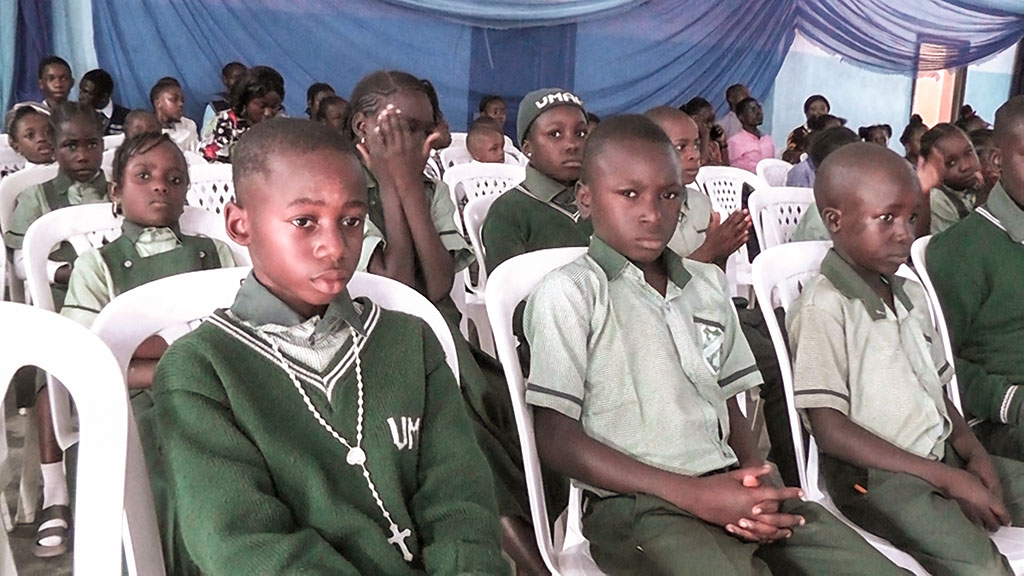
Secondly, in the midst of discouraging government policies, God had been faithful. The church never gets weary of investing in education. They are known for quality and standard with no discriminatory policies even in difficult terrains in rural areas.
“The government sees us as their rivals. We are not rivals but we are complimenting government and we are supposed to be partners. It is the duty of the government to educate its citizens and we are just complimenting.”
He shared a personal example, stating that since his arrival four years ago, the government had stopped paying grants to teachers in catholic schools. The government collects statistics and uses the data to secure funds but fails to pay the teachers.
” The government is grandstanding. They took up the schools and never gave it back. They only gave certificates of ownerships and never handed over the schools.” he said. The church wants to train people with moral integrity, therefore, he encouraged the government to pay the teachers what they owe them, and the schools declared on paper are to be returned to the church for the good of Plateau state.

He thanked God for his faithfulness on the sacrifices made by the teachers and enjoined the stakeholders to reflect and reconsider the roles in ensuring that catholic education attain to greater heights.
“To parents, you have a solemn duty to provide for your children, do your utmost best and give your wards quality education. To the government, do not discriminate, assist in the development and building of infrastructures and make favorable policies. To the church, it is a divine role to offer quality education in collaborating with government in providing quality education for the citizens. To the teachers, thank you for your continuous effort and God will surely bless you.”
Archbishop Audu further suggested that in line with the objectives of Catholic institutions in adding values to lives, the Education Commission, schools will now introduce vocational training skills program side by side the basic subjects in order to create employability and self-sustenance to graduating students who might fall victim to the low employment market in Nigeria.
In his final appeal, the Archbishop called on the government to regularize grants for schools and urged the Catholic faithful to continue to patronizing the Catholic institutions, which serve as agents of evangelization and moral development.
Earlier, during the homily, the Archbishop reflected on the life of St. Theresa of Avila, sharing insights from his visit to her convent in Spain. He encouraged the faithful to emulate her devotion to prayer and holiness. He recounted how her visions of Jesus, along with her mental prayer practices, transformed her into a Doctor of the Church.
In his address to students, the Archbishop posed a thought-provoking question: ”How many of you have ever prayed to become a saint?” He explained that anyone, regardless of their background or occupation, could aspire to sainthood by drawing closer to God in prayer. “Children, mothers, soldiers – people from all walks of life can be saints, he said.
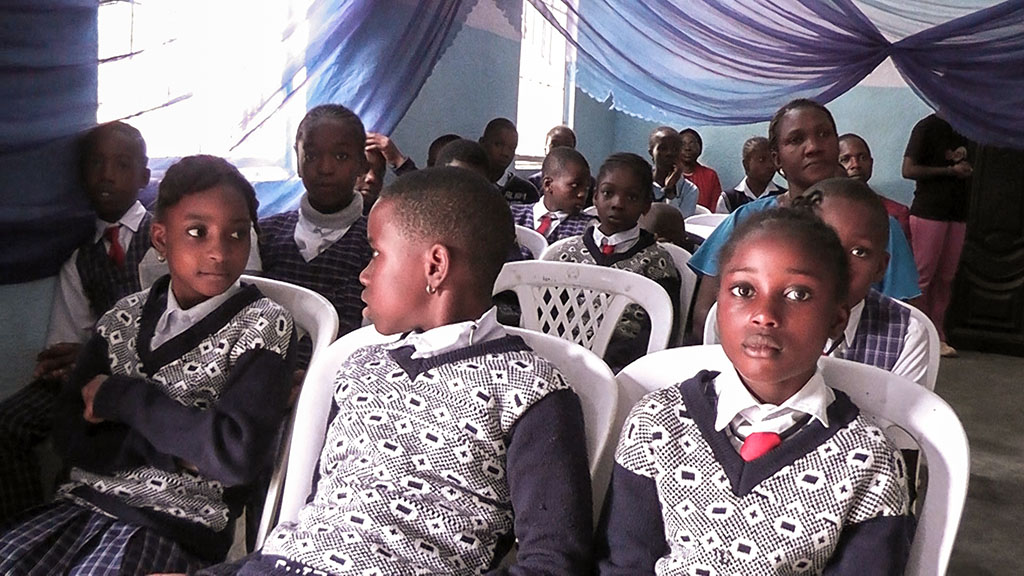
The Archbishop highlighted that Sainthood is attainable for all, challenging the congregation to deepen their prayer lives. He offered a formula for becoming a saint: “Think like a saint, act like a saint, and you will become a saint.” Archbishop Audu emphasized on the importance of prayer and moral development nurtured by the Catholic education.
He encouraged the students and faithful to let their education lead them to eternal life, emphasizing that acts of goodness should be done for God’s glory, not for personal recognition or gain.
Similarly, Rev.Fr. Gideon Pwakim, Rector of St. John Vianney Minor Seminary, Barkin Ladi, expressed the significance of the day. “It’s a time to celebrate our successes and triumphs amidst uncertainties and challenges,” he said. He emphasized the importance of showcasing the accomplishments of Catholic schools and urged the government to provide support to voluntary institutions like theirs.
Fr. Pwakim also highlighted the financial difficulties Catholic boarding schools face due to rising costs, particularly in food supplies, amidst stagnant salaries. He stressed that despite these challenges, the schools are managing their resources as effectively as possible to continue providing quality education.
Mrs. Agu, Education Secretary of the Archdiocese, welcomed attendees, acknowledging God’s faithfulness in keeping the schools afloat. “Education is a public good and responsibility,” she noted, adding that the event was a moment to reflect on the progress made and the future of Catholic education.
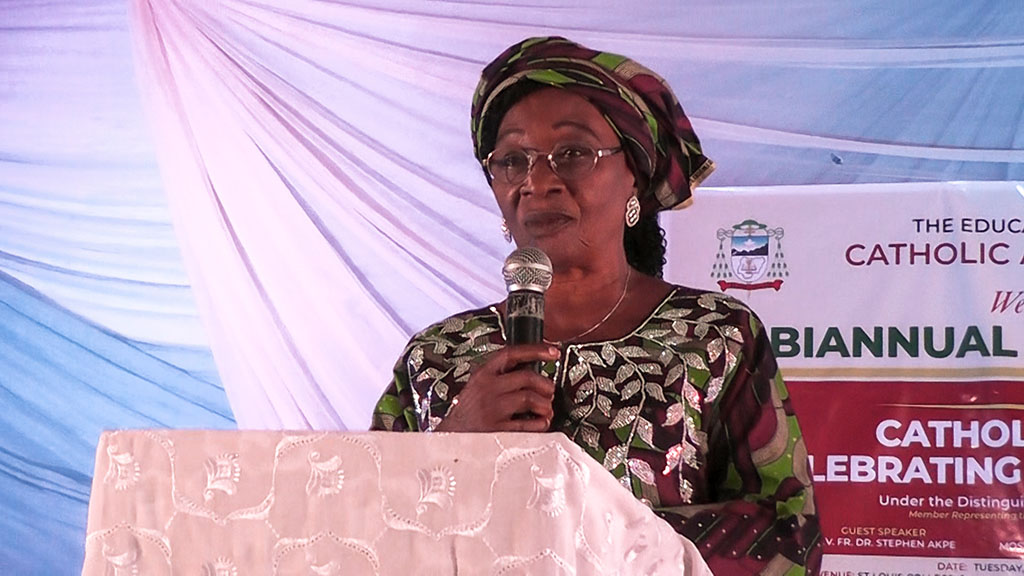
Furthermore, Rev. Dr. Stephen Apke, guest speaker at the event praised the Archbishop for his dedication to education, describing it as the “cornerstone, lifeblood, wellspring, and bedrock of the Church’s mission and evangelization.” In his address, Dr. Apke referenced key figures like St. Thomas Aquinas and global organizations such as the United Nations, emphasizing education’s role in promoting inclusivity and equity worldwide.
“Education is the single most important investment any country can make,” Dr. Apke said. “It is not only a fundamental human right but essential for the fulfillment of all human rights.”
Dr. Apke encouraged the faithful to use education as a tool for empowering others, referencing Luke 22:32, where Jesus told Peter, “When I strengthen you, strengthen others.” He highlighted how the moral discipline and achievements of students from Catholic schools reflect the values of scientific progress, cultural contribution, and spiritual formation.
The speaker also discussed the various global approaches to education, noting that some align with Catholic principles while others oppose them. He stressed that education remains a core element of the Church’s mission, guiding the establishment of primary and secondary schools to promote basic learning worldwide.

Citing recent statistics, Dr. Apke revealed that the Catholic Church oversees more than 210 educational institutions in over 165 countries. These include over 74,000 kindergartens serving more than 7 million pupils, 100,000 primary schools with over 34 million pupils, and millions of secondary and university students. Locally, in the Archdiocese of Jos, there are 291 teaching and 121 non-teaching staff in primary schools, alongside 601 teaching and 221 non-teaching staff in 14 secondary schools, serving more than 4,000 primary pupils and 3,000 secondary students.
“The Catholic Church educates students not just for itself but for society, as reflected in its motto, Pro Ecclesia et Patria—’For the Church and for the State’,” Dr. Apke noted. He emphasized that the Church does not force conversions, leaving individuals the freedom of choice. He pointed out that even in the Catholic schools of Jos, many non-Catholic students attend, drawn by the quality of education and values of respect, prayer, and obedience.
Dr. Apke also reflected on the global challenges the Church faces in the 21st century, which include rising relativism, conflicting approaches to human rights, the promotion of reproductive rights, and debates over abortion. He expressed concern over the shift in focus from moral education to economic and technological advancement without ethical considerations.
“Education is facing many challenges, but none are insurmountable,” he said, acknowledging growing issues such as insecurity, rising crime, and corruption. He also criticized Nigeria’s budget allocation, where more funds are directed to security than education, a trend he described as misguided.
Despite these obstacles, Dr. Apke called for continued dedication to teaching and upholding the sanctity of life and human dignity. He concluded by noting the contributions of Catholic schools, which not only educate students but also employ significant labor and support local communities.
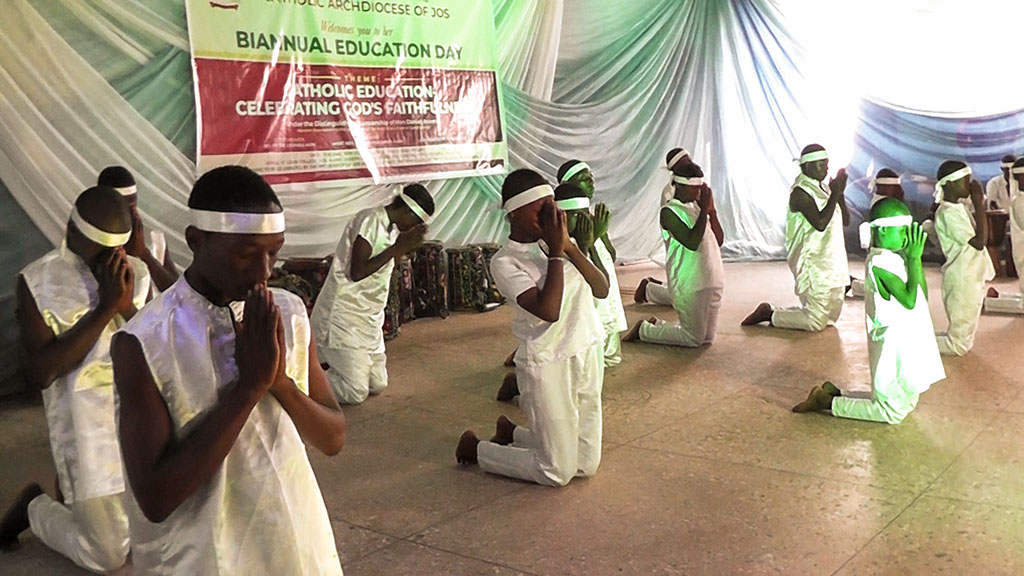

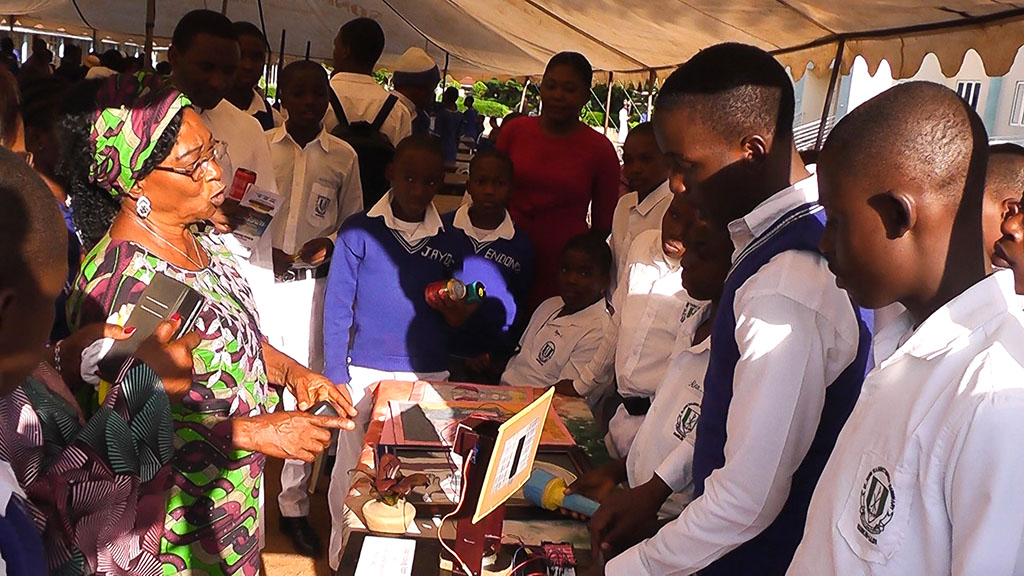
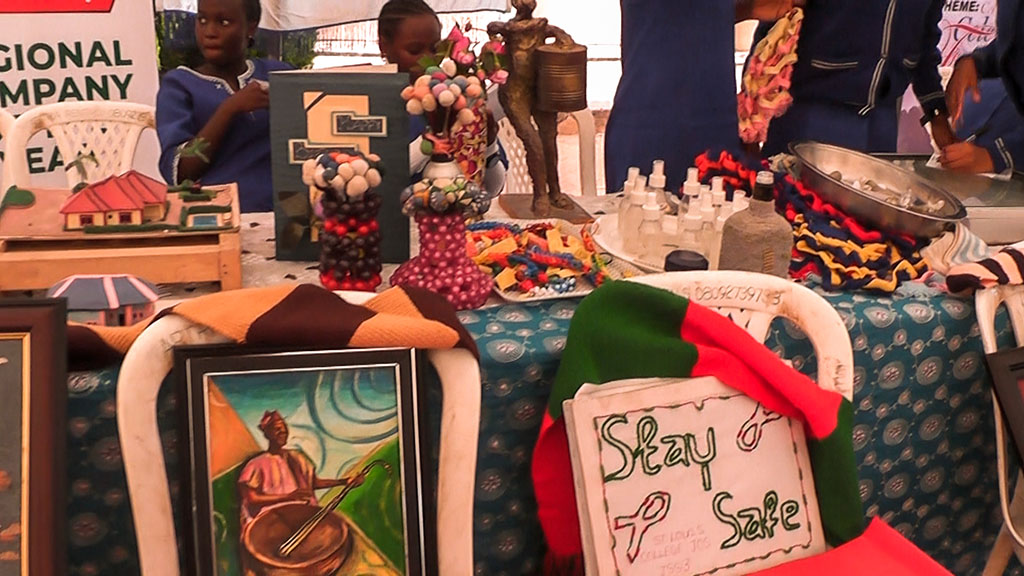
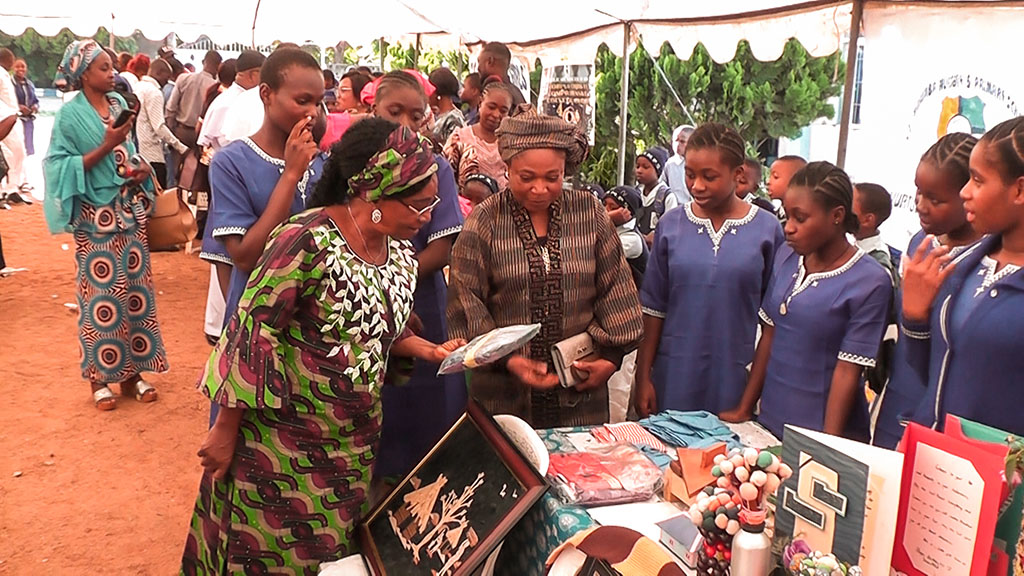
The event showcased the achievements of Catholic schools in areas such as scientific exhibitions, cultural displays, and spiritual formation. The Archbishop also highlighted the global impact of Catholic education, with over 210 Catholic educational institutions worldwide, serving millions of students.
The day ended with prayers, including a special intercession to Saint John the Baptist, the patron saint of teachers and youth, to guide the Church in achieving its educational goals.

 TWE Media Network
Leave a comment