
Photo Credit: Radio Veritas Asia (RVA News)
By Martha Ikeh
Mission Sunday, also known as World Mission Sunday, is a special day set aside by the Roman Catholic Church to focus on the importance of missionary work worldwide. On Mission Sundays, Catholics worldwide are united in prayer, solidarity, and support for the mission efforts of the Church. Celebrated on the third Sunday of October, this year it will be marked on October 20th. This year’s theme, chosen by Pope Francis, is rooted in the Gospel of Matthew: “Go and Invite Everyone to the Banquet,” reflecting the inclusive and urgent call to bring God’s love to everyone.
The purpose of Mission Sunday is to raise awareness about the missionary efforts of the Holy Church, both in spiritual evangelization and humanitarian assistance, and to inspire collective action through prayer, service, financial support, and active participation. The success of the Church’s missionary efforts depends on the collective support of all her members, emphasizing the role of the entire church, not just missionaries alone, in spreading the Gospel and caring for the less privileged.
HISTORY AND SIGNIFICANCE OF MISSION SUNDAY
In the early 20th Century, the church faced the challenge of providing spiritual and material aid to mission territories in some parts of the world where her intervention was needed. In response to this challenge, Mission Sunday was approved and established by Pope Pius XI in 1926, to encourage all Catholics around the world to contribute to the Church’s missionary work through prayer, personal involvement, and financial support.
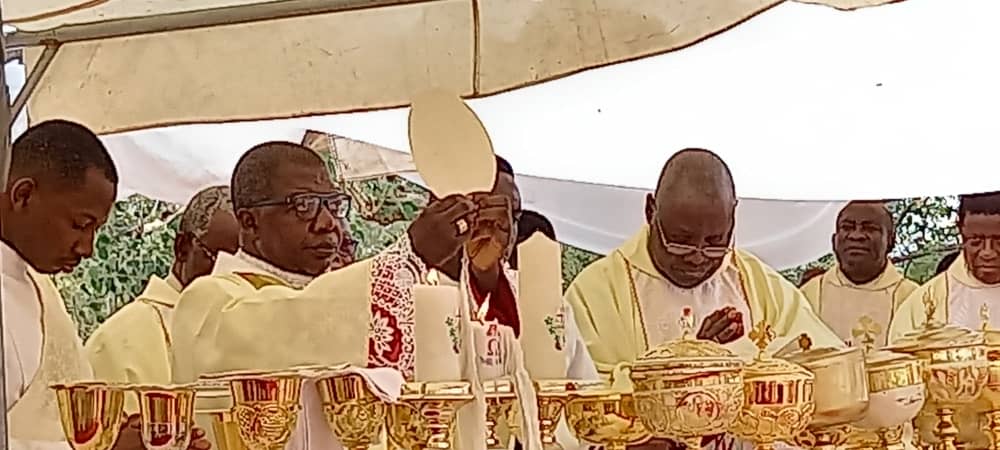
Collective participation in Mission Sunday highlights that the task of spreading the Gospel and caring for the less fortunate is a responsibility that belongs to the entire Church, not just to missionaries alone. In his World Mission Sunday Homily for this year, Father Anthony Kadavil, Chaplain, Sacred Heart Home, Mobile, writes:
“Of the 3000 dioceses in the world, about 1000 are missionary dioceses—they need assistance from more established dioceses to build catechetical programs, seminaries, Religious Communities, Chapels, Churches, orphanages, hospitals, and schools. This annual celebration gives us a chance to reflect on the importance of mission work for the life of the Church. It reminds us that we are one with the Church around the world and that we are all committed to carrying on the mission of Christ, however different our situations may be.”
Since its initiation by Pope Pius XI, World Mission Sunday has grown into a vital part of the Church’s calendar, raising awareness, missionaries, and funds for missionary activities around the world. By observing and participating in the activities of Mission Sunday, Catholics are connected to the Church’s mission and their shared responsibility in spreading the gospel as Christ commanded.
THE ROLE OF THE POPE IN PROMOTING GLOBAL MISSIONS
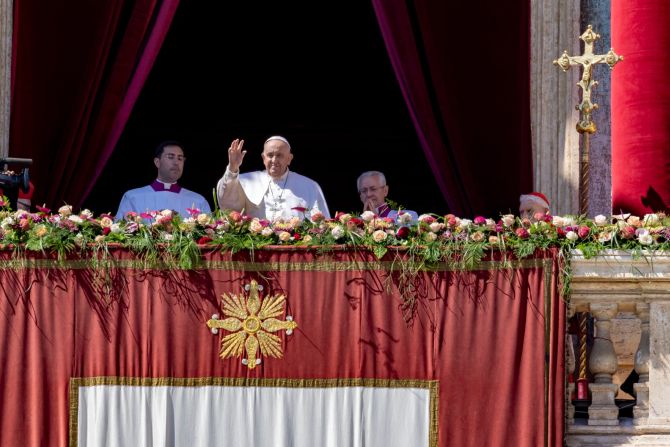
The Pope plays a pivotal role in World Mission Sunday. He issues an annual message that reflects on the importance of evangelization, particularly in regions where Christianity is not well established. In his message for this year’s Mission Sunday, Pope Francis writes:
The theme I have chosen for this year’s World Mission Day is taken from the Gospel parable of the wedding banquet (cf. Mt 22:1-14). Reflecting on this key passage in the context of the parable and of Jesus’ own life, we can discern several important aspects of evangelization. These appear particularly timely for all of us, as missionary disciples of Christ, during this final stage of the synodal journey that, in the words of its motto, “Communion, Participation, Mission”, seeks to refocus the Church on her primary task, which is the preaching of the Gospel in today’s world.”
The Pope also appreciates all missionaries who have left everything behind, to heed to God’s call of bringing the Good News to places where people have not yet received it and continues to pray and thank God for the new and numerous missionary vocations taking evangelization to the ends of the earth. He further emphasizes that every Christian is called to take part in this universal mission by offering his or her own witness to the Gospel in every context, so that the whole Church can continually go forth with her Lord and Master to what he calls the “crossroads” of today’s world. In his usual fashion, the pope also reminds the church of the importance of inviting “everyone” to this banquet irrespective of their social and moral status, and to do so do so with joy, magnanimity and benevolence that are the fruits of the Holy Spirit
“Through his leadership, the Pope emphasizes the following key areas:
Evangelization: The Pope encourages Catholics to spread the Gospel not only through words but through acts of compassion and love.
Solidarity with the Marginalized: Pope Francis, in particular, has been vocal about focusing on the downtrodden—supporting those marginalized by society, such as the poor, refugees, and those living in remote regions.
Encouraging Global Support: Through his words and actions, the Pope urges the global Church to support missionary work, whether by becoming missionaries, offering financial aid, or praying for those involved in mission work.
Love: The pope implores the faithful to treat everyone with love and kindness, just like Christ’s love was extended to the lame, blind, sinners, tax collectors, and prostitutes. This approach to the evangelization mission of the church is a gentle voice that calls individuals to recognize that they are brothers and sisters in Christ.
Missionary Cooperation: Without the cooperation of both the universal and particular churches, the mandate of the Church to evangelize the world through mission activities may not be fulfilled; hence, the need for the church to come together as one, in solidarity and faith, to contribute to the universal fund for the needs of all the Church’s missions.
Importance of the Eucharist: The Pope admonishes the church to deepen her commitment to mass and the Eucharist, earthly representations of the banquet Christ has called all Christians to be part of for mankind’s salvation. This banquet, which the Church celebrates at the Lord’s command in memory of him, is not only an evangelization tool but also an invitation to the Lord’s Table, where He feeds the faithful with his word, his body, and his blood.
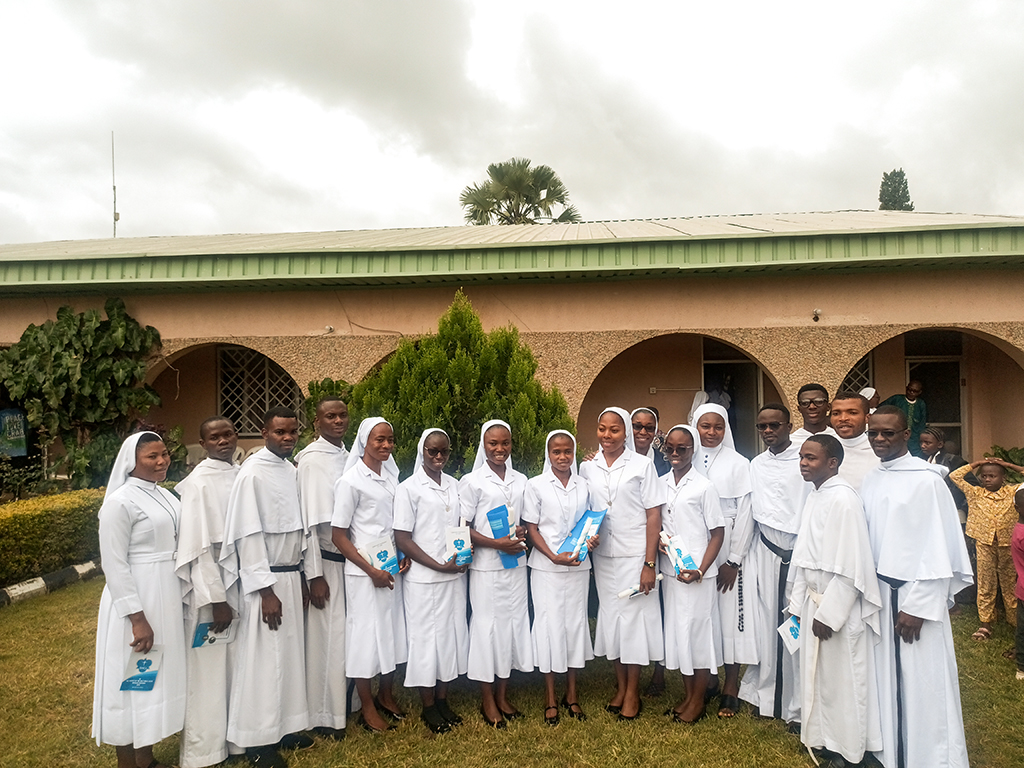
CAUSES AND PROJECTS THAT BENEFIT FROM MISSION SUNDAY DONATIONS
The donations collected on Mission Sunday go towards supporting various projects overseen by the Pontifical Mission Societies. These funds are used to support missionaries and their efforts to improve spiritual, economic, and social conditions in mission locations. Here are some examples of the causes that benefit from Mission Sunday donations:
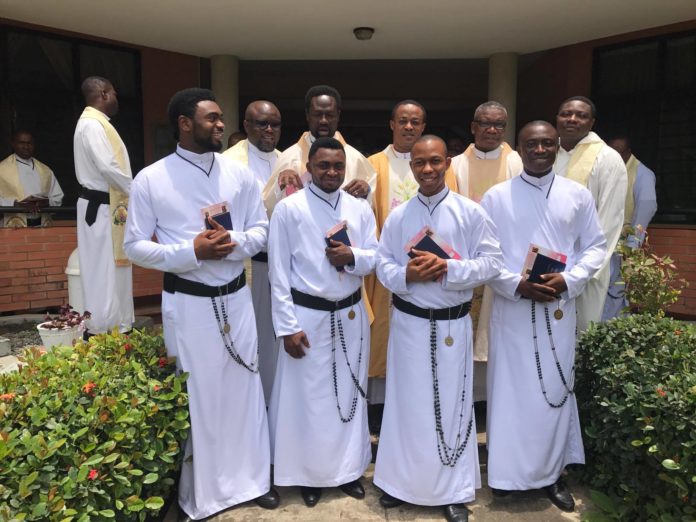
Formation of Seminarians and Religious Vocations:
The future of the Church in mission territories depends on the training of seminarians and religious vocations. Funds are often allocated to seminaries to support the education and spiritual formation of future priests, nuns, and religious people, making certain that the Church can continue its evangelization mission for generations to come. Confirming this report, Reverend Father Jude Onyiudo, OSA says:
“As a seminarian at St. Augustine’s Major Seminary Jos, I never paid any fees for my training. Our feeding, accommodation, and education were paid for by the church through the allocations made to the Nigerian church from Mission Sunday donations and other charity bodies.”
Building and Maintaining Churches and Chapels
In mission territories, the Church is still growing, and funds are often used to construct or maintain churches and chapels where local communities can gather for worship and receive the sacraments. These places of worship serve as spiritual centers that foster faith and community relations in remote or underdeveloped regions.
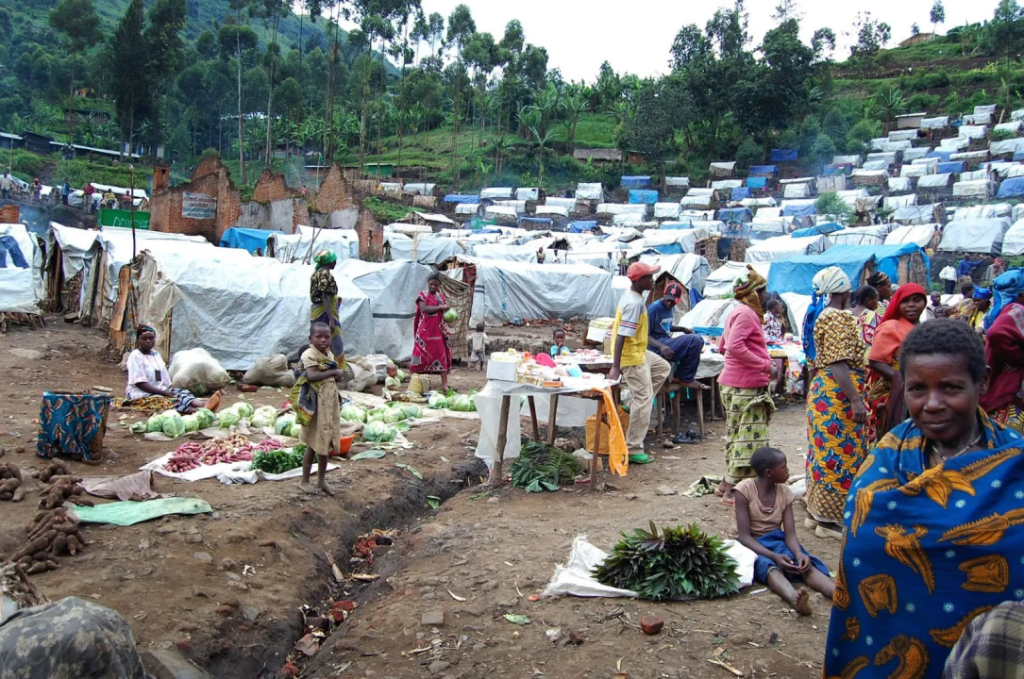
Support for Refugees and Displaced Persons:
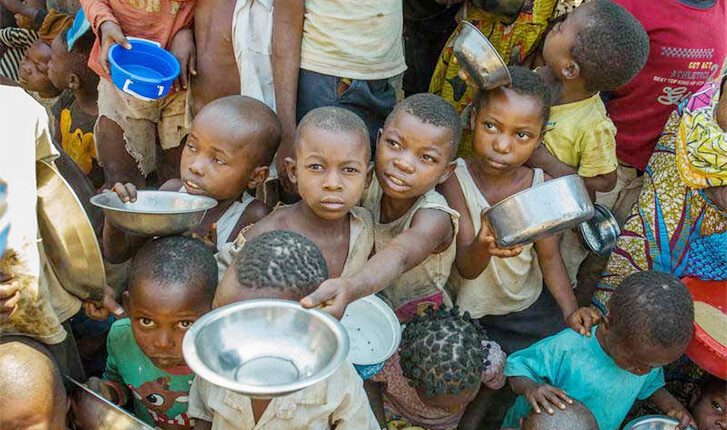
The Roman Catholic Church usually provides emergency relief for refugees and internally displaced people in areas affected by conflict, persecution, or natural disasters. The Church’s mission work in such areas focuses on offering both material aid (food, shelter, and medical care) and spiritual support to people who have lost everything, and this is often executed with the donations made on Mission Sunday.
In the archdiocese of Nouna in Burkina Faso, Bishop Joseph Sama explains that “…the children in Nouna face multiple challenges due to insecurity. Many have been displaced from their homes, living in constant fear and uncertainty. The aid received from the Pontifical Mission Societies has been a lifeline, providing school kits to 460 children.”
Providing Education and Healthcare
Unlike most developed countries, many mission territories lack basic infrastructure. In such regions, Mission Sunday funds are channeled towards building healthcare facilities, orphanages and schools. Through these efforts, poverty, illiteracy, hopelessness, and healthcare disasters are alleviated as much as possible in such regions. Communities in Uganda, Sudan, South Sudan, Latin America, and India are examples of some territories that have benefitted in one or the other from mission Sunday donations and aid.
During the COVID-19 pandemic, the Vatican News reported that Pope Francis had established an emergency fund at the Pontifical Mission Societies to aid communities that had been tragically impacted by the disease. With the Pope being the first to contribute to this emergency fund, Archbishop Dal Toso commented on the purpose of the funds thus:
“This fund has the aim of supporting the presence of the Church in mission territories, which also suffers the consequences of Corona Virus. Through the Church’s activity of preaching the Gospel and of practical aid through our vast network, we can show that no one is alone in this crisis. In this sense, the Church’s institutions and ministers play a vital role. This is the Holy Father’s intention in establishing this fund. While so many are suffering, we remember and reach out to those who may have no one to care for them, thus showing forth the love of God the Father.
Training and Supporting Catechists
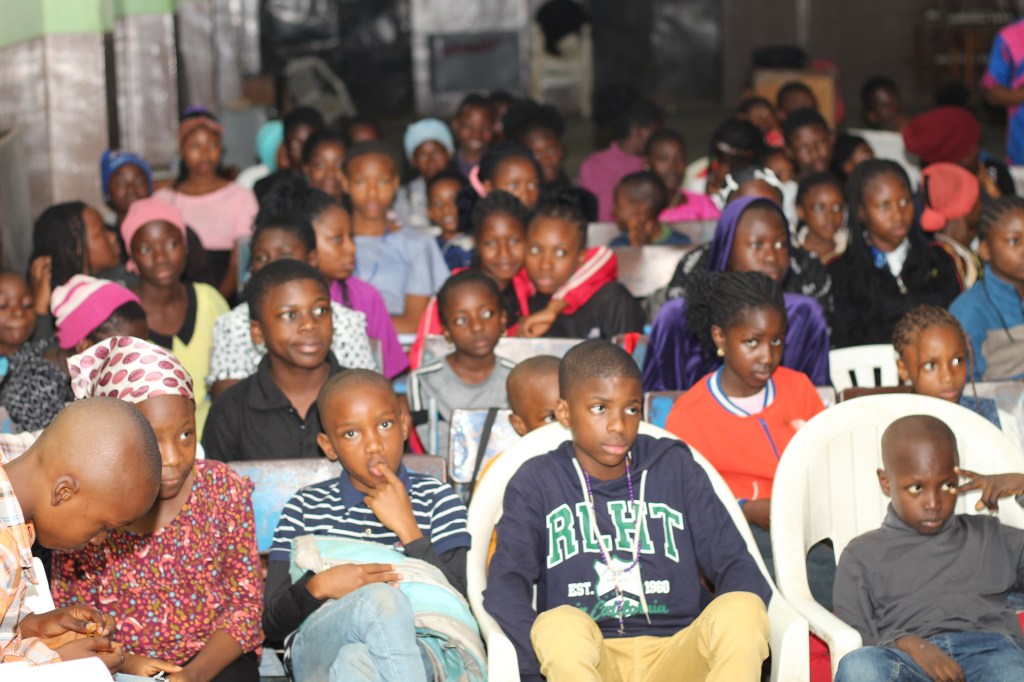
Catechists play an important role in spreading the Gospel in mission areas. Donations from Mission Sunday help provide training for catechists, ensuring that they are equipped to teach the faith to people in these regions.
HOW CAN YOU SUPPORT WORLD MISSION SUNDAY?
Mission Sunday has evolved into a powerful demonstration of the Church’s commitment to global evangelization. It signifies the role of every Catholic in supporting the mission of the Church. Like Father Joshua Chimdalu, Assistant Parish Priest at St. Theresa’s Catholic Church, Jos put it in his homily of October 13th, 2024:
“We are called to be missionaries. You can be a missionary by going for missions, praying for missionaries and missionary territories, or by sponsoring missions through final donations.” For this year’s Mission Sunday, he further emphasized the seriousness of Mission Sunday donations and stated that the Catholic Archbishop of Jos, Archbishop Matthew Ishaya Audu, in a show of exemplary leadership, had mandated the religious and lay faithful to be part of this year’s donations, beginning from the bishop himself down to the laity.
By observing this day, Catholics are reminded of their global connection to the Church’s mission and their shared responsibility in spreading the Gospel. Here are a few specific suggestions on how to support Mission Sunday:
Network and Participate in Mission Events
Many parishes organize events such as mission-themed Masses, fundraisers, or educational workshops during the Mission Sunday period. You can support by making yourself available for these mission activities within your diocese.
Prayer
Praying for missionaries, mission territories and the success of the church’s mission worldwide is a huge aspect of Mission Sunday. You can do this privately or join masses and prayer sessions organized by your parish.
Volunteering
You can get involved in mission projects that help the poor, teach children, or provide healthcare in remote areas. If you’re not able to travel for one reason or another, there are opportunities to assist missionaries by raising awareness or supporting fundraising efforts.
Financial Donations The most straightforward way to support Mission Sunday is through monetary contributions, which go toward the Pontifical Mission Societies. These donations fund projects such as training religious and lay leaders, building schools, supporting orphanages and providing healthcare in mission territories worldwide. You can donate through your local parish, diocesan mission office, or the official Pontifical Mission Societies website.
Ultimately, every catholic plays a crucial role in embracing the missionary spirit. Aside from going to missions, praying for missionaries, and donating to missions, we are called to Christ’s missionary style by spreading love across all divides. In a world where friendships and other kinds of relationships sometimes feel performative, World Mission Sunday reminds us that the core of our Christian faith lies in bringing Christ’s love and message to every corner of the world.
St. Therese of Lisieux, Patron Saint of Missions reminds us: “The mission of the Church is to spread the love of Jesus Christ, to care for the poor, and to bring hope to the world.”

 TWE Media Network
Leave a comment