By Martha Ikeh
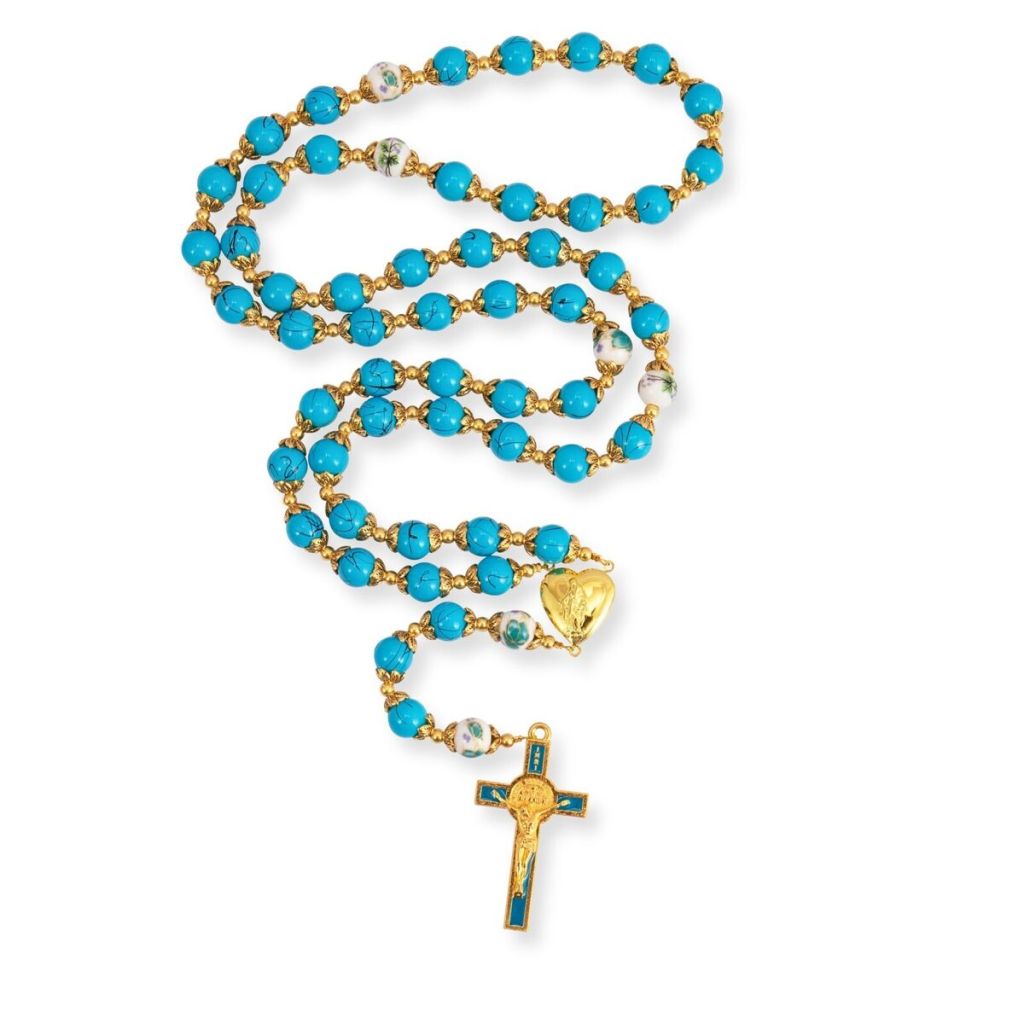
October, known as the Month of the Rosary, invites Catholics all over the world, to embark on a journey of faith and reflection through the powerful prayer of the Rosary. Entrenched in centuries of tradition and devotion, praying the Rosary in October is more than a spiritual ritual—it is a time to deepen one’s connection with the Blessed Virgin Mary and meditate on the life of Christ. This yearly sacred practice not only strengthens a devotee’s personal faith but also serves as a spiritual tool for seeking peace, grace, and guidance in everyday life.
In the words of Father Michaels Omwanhiaokpa, OSA, “The Blessed Virgin Mary is the Mother of all struggling Christians, and the Catholic Church is privileged to have her as her intercessor. My journey as a Christian, a Catholic, and a Roman Catholic priest will not be complete without mentioning how Mama’s prayers have been my major support system.”
Contrary to what many non-Catholics believe, the Rosary is a powerful and Christ-centered prayer that honors key events in the life of Jesus and his Blessed Mother, bringing devotees to the consciousness of their mysteries. The entire focus of the Rosary is to encourage the Christian faithful to turn to the Rosary for spiritual strength and grace, especially in times of trial and difficulty.
HISTORY AND SIGNIFICANCE OF THE ROSARY
There are many theories about the exact origin of the Rosary, but it is generally agreed that the Rosary has its roots in early Christian traditions. Beginning as a practice for laypeople who could not read the Psalms like the monks and other religions, it developed over time to repetitive prayers that reflected the 150 Psalms.
According to Catholic history, however, the formal institution of the Rosary can be traced back to the 13th century when the Virgin Mary appeared to St. Dominic and gave him the Rosary as a tool to help convert sinners and combat heresies. With the support of several popes, saints, and lay faithful, this practice was formalized and the prayers were structured into the Joyful, Sorrowful, Glorious, and later, Luminous Mysteries.
So, why is October known as the Month of the Rosary in the Roman Catholic Church?
In 1571, Pope Pius V officially established the Feast of Our Lady of the Rosary to celebrate the Battle of Lepanto, where a Christian fleet overcame the Ottoman navy. This victory was attributed to the intercession of the Blessed Virgin Mary through the prayers said in the Rosary. With the feast of our Lady of the Rosary celebrated on October 7th yearly, October is traditionally known as the Month of the Rosary.
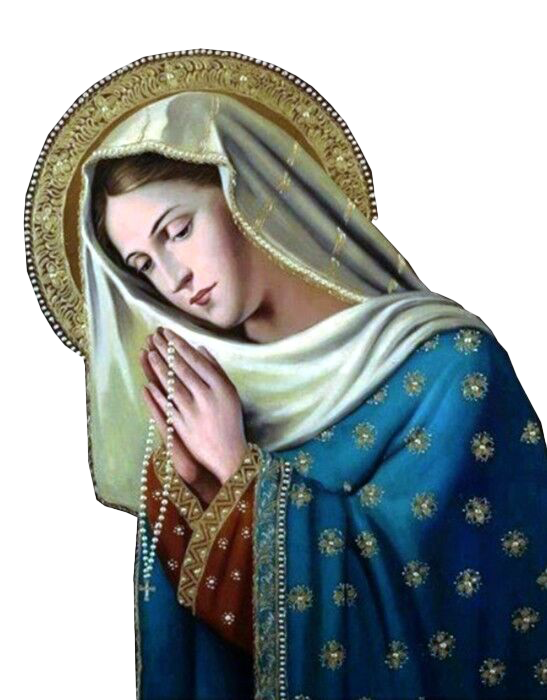
The month-long devotion encourages devotees to recite the Rosary regularly and reflect on its mysteries as a way to strengthen their spiritual lives and honor the Virgin Mary. The devotion underscores Mary’s role as an intermediary and the power of the Rosary in defeating both physical and spiritual battles. This is why every October, Catholics all over the world participate in processions, communal prayers, and individual devotion, praying for peace, mercy, protection, and the intercession of the Blessed Virgin Mary.
The significance of praying the Rosary more fervently in October lies in its ability to unite people in prayer for both personal needs and broader universal issues. This practice holds a significant place in Catholic spirituality as it symbolizes not just the strong relationship between Jesus and the Blessed Mother but also the importance of seeking divine help through prayers.
THE STRUCTURE AND MYSTERIES OF THE ROSARY
The Rosary consists of the recitation of prayers such as:
1. Apostles’ Creed
2. Our Father
3. Hail Mary (10 for each mystery)
4. Glory Be
5. Fatima Prayer (optional)
6. Hail Holy Queen (concluding prayer)
Each set of ten Hail Marys is followed with a meditation on a particular “mystery” or event in the lives of Jesus and Mary. There are four sets of mysteries:
Joyful Mysteries
The Joyful Mysteries capture the early life of Jesus, from the Annunciation to the finding of Jesus in the temple. These events are characterized by the joy of God’s intervention in human history.
• The Annunciation: The Angel Gabriel announces to Mary that she will conceive and bear the Son of God (Luke 1:26-38). This mystery highlights Mary’s acceptance of God’s will and signifies the importance of faith and obedience to God.
• The Visitation: Mary visits her cousin Elizabeth, who is pregnant with John the Baptist (Luke 1:39-56). This signifies the joy of sharing God’s blessings and stresses the importance of charity and service to humanity.
• The Nativity: Jesus is born in Bethlehem (Luke 2:1-20). The Nativity signifies the incarnation of Jesus Christ and the humility of God to be born in human form.
• The Presentation in the Temple: Mary and Joseph present the infant Jesus in the Temple (Luke 2:22-38). This event represents Jesus being consecrated to God and the fulfillment of the law.
• The Finding of Jesus in the Temple: After being lost for three days, Jesus is found teaching in the Temple (Luke 2:41-52). This mystery signifies Jesus’ divine wisdom and His mission as a teacher.
According to Mary Anih, a Parishioner of St. Louis Catholic Church, Jos:
“Every time I meditate on the Joyful Mysteries, all I see is the humility and obedience of the Holy Family. Immediately I feel myself tending towards pride, I remind myself that, despite their exalted role in the salvation of mankind, the Blessed Virgin Mary and her son, Jesus, were humble. Trust me, the Joyful Mysteries help keep my ego in check.”
2. Sorrowful Mysteries
The Sorrowful Mysteries center on the passion and death of Jesus, reminding Christians of Christ’s sacrifice for humanity.
• The Agony in the Garden: Jesus prays in the Garden of Gethsemane before His arrest, feeling sorrow and anguish over His impending suffering (Luke 22:39-46). This reflects the human fear of suffering and the need for submission to God’s will.
• The Scourging at the Pillar: Jesus is inhumanely whipped by Roman soldiers (John 19:1). This symbolizes the physical suffering that Christ endured for the sins of man.
• The Crowning with Thorns: Soldiers mock Jesus by crowning Him with a crown of thorns (Matthew 27:29). This represents the ridicule and emotional pain Jesus suffered, and it calls devotees to meditate on the need for humility.
• The Carrying of the Cross: Jesus carries His cross to Calvary, enduring the weight of the sins of the world (Luke 23:26-31). This mystery represents perseverance in the face of tribulation and suffering.
• The Crucifixion: Jesus is nailed to the cross and dies for the salvation of mankind (Luke 23:33-46). This mystery is the ultimate act of God’s love for man, representing Christ’s redemptive sacrifice.
When asked why she’s devoted to the Blessed Virgin Mary, Jacinta Dominic of Fatima Cathedral, Jos, says:
“In 2010, I was a young girl desperately looking for admission into the university. I had been at home for four years after secondary school, so I was already frustrated and losing hope at the time. I was brilliant, hardworking, and studious. My JAMB and WAEC results were very good, but I wasn’t on the admissions list in all the schools I had applied to before 2010. That year, I decided I wasn’t going to write any exams or apply to any school again. But my friend Alex encouraged me to try one more time and to take the Rosary seriously throughout the period. I did as he advised and every day, during that waiting phase, I would wake at 4 am and say my Rosary. One thing that struck a chord with me while saying the Rosary daily was the suffering of Jesus in the Sorrowful Mysteries. Despite not hurting anyone, despite being God, despite His blamelessness, he suffered. While I initially thought I didn’t deserve the many disappointments and rejections from the schools I had applied to before I became conscious of the fact that our Christian faith calls us to carry our cross and follow Christ. I also became aware that Jesus’ death and resurrection meant victory for me. Armed with this consciousness, I continued to pray my Rosary, this time, with less pride and more faith. When the admissions list came out, without bribing anyone or knowing anyone like many others, my name was on the merit list. Truly, there’s power in the Holy Rosary.”
3. Glorious Mysteries
The Glorious Mysteries reflect on the victory of Christ over sin and death, His resurrection, and the role of Mary in heavenly glory.
• The Resurrection: Jesus rises from the dead on the third day (Matthew 28:1-10). This represents Christ’s triumph over death and the promise of eternal life for believers.
• The Ascension: Jesus ascends into heaven, returning to the Father (Luke 24:50-53). This exemplifies hope in the fulfillment of God’s promises and the mission of the Church.
• The Descent of the Holy Spirit: The Holy Spirit descends upon the apostles at Pentecost (Acts 2:1-13). This symbolizes the birth of the Church and the empowerment of the disciples.
• The Assumption of Mary: Mary is taken up body and soul into heaven (Catholic tradition). This represents Mary’s special place and importance in God’s plan and her purity.
• The Coronation of Mary: Mary is crowned as Queen of Heaven and Earth (Revelation 12:1). This mystery reflects Mary’s glorification and her role as an intercessor for all of God’s people.
4. Luminous Mysteries
The Luminous Mysteries (also called the Mysteries of Light) were introduced by Pope John Paul II in 2002. These mysteries focus on Jesus’ public ministry and His role as the Light of the World.
• The Baptism of Jesus: Jesus is baptized by John the Baptist in the Jordan River (Matthew 3:13-17). This event marks the beginning of Jesus’ public ministry and symbolizes purification and the revelation of Jesus as God’s beloved Son.
• The Wedding at Cana: Jesus performs His first miracle by turning water into wine at the request of His mother (John 2:1-12). This mystery highlights Jesus’ compassion and the importance of Mary’s intercession.
• The Proclamation of the Kingdom of God: Jesus preaches the Kingdom of God and calls for repentance (Mark 1:14-15). This mystery lays emphasis on the call to conversion and the coming of God’s kingdom.
• The Transfiguration: Jesus is transfigured on Mount Tabor, revealing His divine glory to Peter, James, and John (Matthew 17:1-8). This represents Christ’s glory and the hope of the resurrection.
• The Institution of the Eucharist: At the Last Supper, Jesus institutes the Eucharist, offering His body and blood as a sign of the New Covenant (Matthew 26:26-30). This mystery symbolizes Christ’s sacrificial love and His presence in the Eucharist.
Commenting on her love for the Luminous Mysteries, Mrs. Bernadette Umeh, a worshipper at Fatima Cathedral, says,
“When the Luminous Mysteries were added to the already existing mysteries, I rarely used to pray it. I was already used to praying the other three mysteries, so the Luminous Mysteries seemed strange. During one of our CWO meetings at my parish, as usual, we started with the Rosary. On that particular day, the person leading the prayers chose to say the Luminous Mysteries. While the prayers went on, I focused on each of the mysteries and for the first time, God opened my eyes to see what was buried in the Luminous Mysteries. I am a living witness of the power in the body and blood of Christ. The Luminous Mysteries gave me a better insight into the importance of the Eucharist and the place of the Blessed Mother in interceding for us. I am over 60 years old, but believe me when I tell you that Jesus and Mama Mary have been the source of the good health and peace that I enjoy. As a Catholic, hold these two strong!”
BENEFITS OF PRAYING THE ROSARY
The Rosary is more than a set of repetitive prayers—it is a spiritual practice combining prayer and meditation on key moments in the life of Christ. By reflecting on the mysteries of Christ’s life, death, and resurrection, the Rosary helps devotees deepen their faith, grow in virtues, and seek the intercession of the Blessed Virgin Mary through life’s challenges.
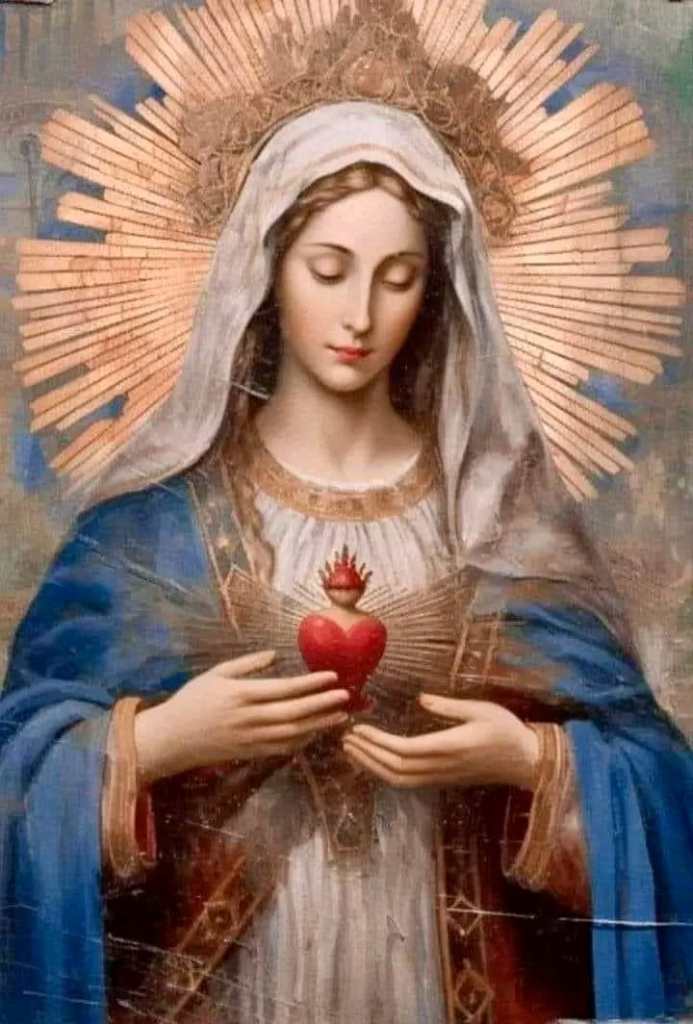
Catholics have often turned to the Rosary in times of personal and global crises, believing that the repetition of prayers—centered on the Hail Mary and Our Father—brings peace, endurance, and grace. Some key benefits of praying the Rosary include:
1. Spiritual Growth:
Praying the Holy Rosary helps devotees to meditate on the life of the Holy Family, thus, encouraging deep understanding of the salvation story. By meditating on the mysteries, a natural yearning to develop a Christ-focused life is developed.
2. Inner Peace and Calm:
The prayers of the Rosary are structured in a way that is repetitive and meditative, promoting an atmosphere of peace and mental relaxation. Studies have shown that repetitive prayers like the Rosary can reduce stress and help individuals find inner peace and calm in times of trials and tribulation.
3. Promotes Virtues:
The mysteries of the Rosary focus on varied virtues such as humility, long-suffering, kindness, patience, love, faithfulness, charity, and obedience. By meditating on the virtues buried in the mysteries of the Holy Rosary, devotees are encouraged to model their lives after these virtues, ultimately, leading their lives in line with their Christian calling.
4. Swift Answers to Prayers through Mary’s Intercession:
Just like at the wedding feast at Cana, praying the Rosary is a way to invoke the intercession of the Blessed Virgin Mary. Mary’s role as a compassionate mother and an intercessor is to bring the prayers of devotees before God, mediating for a quick relief to their hearts’ desires.
5. Encourages Unity in the Church:
The Rosary is a prayer mostly said in community settings such as churches or religious gatherings. Praying the Rosary promotes a sense of oneness in the church, strengthening the communal bond among the Christian faithful.
6. Encourages Discipline in Prayer Life:
The Rosary is originally designed to be prayed on a daily basis. Following through with this design promotes a healthy daily prayer, helping devotees to create a structured time in their day-to-day activities to pray and meditate on God’s word.
7. Spiritual Protection:
Genesis 3:15 says, “…I will put enmity between you and the woman, and between your offspring and hers; he will crush your head, and you will strike his heel.” In Catholic history, the woman is often interpreted as a reference to Mary, while the “offspring” refers to Jesus, who ultimately defeats Satan. The Rosary is a powerful weapon in spiritual warfare, invoking Mary’s aid, through her son, Jesus, in overcoming sin and evil.
TIPS FOR INCORPORATING THE ROSARY TO ONE’S DAILY LIFE
1. Set a Regular Time for Prayer:
Choose a specific time each day to say the Rosary. It could be in the morning, afternoon, or before bedtime. The idea is to choose a convenient time that allows for quiet, focused, and prayerful meditation. With consistency, it becomes a habit that one can hardly forget.
2. Begin with Shorter Sessions:
If you are just starting out as a devotee, it is best to start with a decade in the initial days and gradually work your way to more decades of the Rosary. This structure is less intimidating and encourages fruitful meditation as makes progress in the devotion.
3. Create a Prayer Space:
Designating a particular space in your home for prayers promotes a consciousness of the importance of the Rosary in your daily life. To do this, you can include a crucifix, candles, and other holy items in your prayer space; this will help you to focus and genuinely meditate during prayers.
4. Use Technology:
There are several apps, websites, video, and audio recording resources online that provide guided Rosary prayers. Listening to the recordings or following the guided format can enhance your experience as a devotee looking to make daily Rosary prayers a habit. You can also set a Rosary time alarm on your device as a daily reminder to help you remember and stay the course.
5. Pray with Others:
Join a local Rosary group or participate in community prayer events at your parish. Praying with others fosters a sense of unity and can deepen your Rosary experience. Many parishes host Rosary prayer nights, just like the October devotion. You can also join Marian Societies in your parish such as the Block Rosary and Legion of Mary. In the words of Saint Louis de Montfort:
“When people say the Rosary together, it is far more formidable to the devil than one said privately because, in this public prayer, it is an army that is attacking him.”
6. Incorporate Intentions:
Before you begin the Rosary, outline specific intentions. You can pray for personal intentions, family and friends, the pope, the church, and global issues. Including your intentions in the Rosary makes the experience meaningful and fulfilling.
7. Integrate the Rosary into Daily Activities:
Sometimes, you can get very busy in the day and most likely not find time to pray the Rosary. Consider praying the Rosary while jogging, cooking, working, or going about other activities in the day. Praying the Rosary even when you are busy allows the prayer to become part of your daily routine.
The Rosary and October devotion hold significant importance in the Catholic faith, offering a rich tradition of prayer and reflection centered on the inspiring life of Jesus Christ and the Blessed Virgin Mary. Making the Rosary part of your family and daily life can be a rewarding spiritual practice that fosters deeper faith and connection to Jesus through the Blessed Mother. Whether through consistent scheduling, community involvement, or personal reflection, the Rosary can become an essential part of your daily routine.
Mary’s role in Catholic devotion is profoundly tied to her motherhood, her exemplary faith, and her special relationship with Christ, her son. Catholics do not worship Mary but venerate her as an indispensable figure in salvation history who continually leads the faithful closer to her Son, Jesus. Through prayers like the Rosary, Mary holds a place of honor in the Church as a loving mother and intercessor for all Christians.
Join the October Devotion in your local parish and be part of this rich spiritual tradition that Saint Pope John Paul II, initiator of the Luminous Mysteries, calls “A Marvelous prayer.” In most parishes, the October devotion is usually concluded on the last day of October with a Rosary procession and Mass. Make use of this opportunity to enrich your spiritual life through praying the Rosary. Like Saint Josemaría Escrivá will say:
“The Holy Rosary is a powerful weapon. Use it with confidence and you’ll be amazed at the results.”

 TWE Media Network
Leave a comment