
By Juliana Uzoka

Pursuing inner satisfaction and wholeness transcends earthly riches, as Jesus teaches the young rich man in Mark 10:17-30, that true fulfillment lies not in wealth but in God’s love and acceptance.

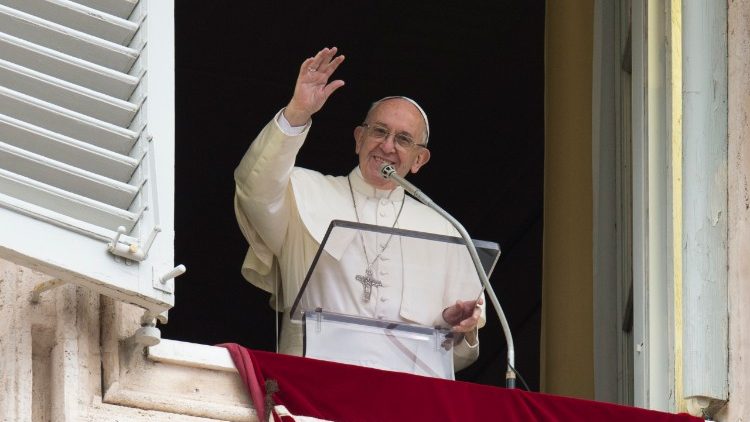
Pope Francis submitted this during his Angelus on Sunday, 13 October. He encouraged the faithful to cultivate a deeper relationship with God if they desired to inherit eternal life. He reflected on the rich young man who despite his wealth,” experienced dissatisfaction and restlessness,” in his search for a fuller life.

However, instead of embracing God’s love, which offers true worth and eternal satisfaction, the young man clung to his material possessions, deriving only temporary security and fulfillment.

Vatican News reports that the Holy Father stated that Jesus looks at each of us with great love and calls us to come to Him. However, like the rich young man, we often find ourselves “running to Jesus but struggling to meet His call to “love one another by making our lives a gift for others.”

When self-love gets in the way, we risk denying the love that God offers. “But at this point comes an unexpected conclusion,” Pope Francis observed: “The man becomes sad and goes away. How great and impetuous was his desire to meet Jesus; and how cold and swift his departure from Him.”

Pope Francis reminded the faithful that Jesus wants them to realize that “the good for which we yearn is God Himself, His love for us, and the eternal life that He and He alone can give.” He further explained that true wealth is found in being loved by God, not in earthly goods.

Accordingly, Pope Francis said that Jesus invites us to “take the risk of love”: to stripe ourselves of false securities and be attentive to those in need by sharing our goods, talents, friendships, and time.

In concluding his reflections, the Holy Father urged the faithful to ask themselves, “What is our heart attached to? What makes us truly happy? Do we share with those in need?

Pope Francis reiterated that “true wealth lies not in the goods of this world, but in being loved by God and learning to love like Him.”

Leave a comment

Recent posts

Quote of the week

What are the attributes of our Blessed Mother Virgin Mary that Christians should emulate?

The attributes of the Blessed Virgin Mary that Christians are encouraged to emulate include a range of virtues that reflect her exemplary holiness and deep faith.

Faith and Trust: Mary is recognized for her profound faith and docile acceptance of God’s Word. Her response to the angel Gabriel exemplifies a complete trust in God’s plan, which serves as a model for Christians to surrender to God’s will in their own lives.

Obedience and Humility: Her generous obedience to God’s call and her genuine humility are highlighted as virtues that Christians should strive to embody. Mary’s willingness to accept her role as the Mother of God demonstrates a humble acceptance of divine purpose.

Charity and Compassion: Mary’s solicitous charity, particularly in her visit to Elizabeth and her care for Jesus, reflects a deep love for others. This attribute encourages Christians to practice love and service towards their neighbors.

Wisdom and Reflection: Mary’s profound wisdom, as seen in her contemplative nature and her ability to ponder the events of her life, invites Christians to seek understanding and insight in their own spiritual journeys.

Fortitude in Suffering: Her strength during times of suffering, particularly at the crucifixion of her Son, serves as an example of enduring faith amidst trials. Christians are called to find strength in their own challenges by looking to Mary’s example.

Maternal Love: Mary’s maternal love is a model for all who are called to nurture and support others. This aspect of her character encourages Christians to foster a spirit of care and compassion in their communities.

Devotion and Prayer: The importance of prayer and devotion to Mary is emphasized, as she is seen as a powerful intercessor. Christians are encouraged to turn to her in prayer, seeking her guidance and support in their spiritual lives.

By reflecting on these attributes, Christians can strive to incorporate them into their own lives, thereby growing in holiness and virtue as they follow the example set by Mary, the Mother of God.

Magisterium of the Catholic Church