
By Chioma Polok
The concept of archangels is deeply rooted in many religious and spiritual traditions, most notably in Christianity, Judaism, and Islam. These powerful beings are often depicted as messengers, warriors, and protectors who stand close to the divine. The term “archangel” is derived from the Greek words “arch,” meaning chief or ruler, and “angelos,” meaning messenger. As such, archangels are regarded as the highest-ranking angels, entrusted with significant responsibilities in both the celestial realm and in guiding humanity.
Traditionally, seven archangels are recognized, though different traditions may emphasize different ones. The four most prominent archangels are Michael, Gabriel, Raphael, and Uriel. Each has a distinct role, contributing to the spiritual balance of the universe. This article explores the individuality of these key archangels and their unique roles within the celestial hierarchy.
1. Archangel Michael: The Warrior and Protector
Archangel Michael is considered the leader of the archangels and is often regarded as the greatest warrior in heaven. His name, meaning “Who is like God?” serves as both a rhetorical question and a declaration of God’s unmatched power. In religious texts, Michael is depicted as the defender of heaven, battling evil forces and ensuring the safety of the divine realm.
Michael’s primary role is to protect humanity from evil while championing justice and righteousness. In the Bible, Michael is mentioned in the Book of Daniel as “one of the chief princes” and the protector of Israel. In the Book of Revelation, he leads the armies of heaven in the battle against the dragon (Satan) and his forces, emerging victorious.
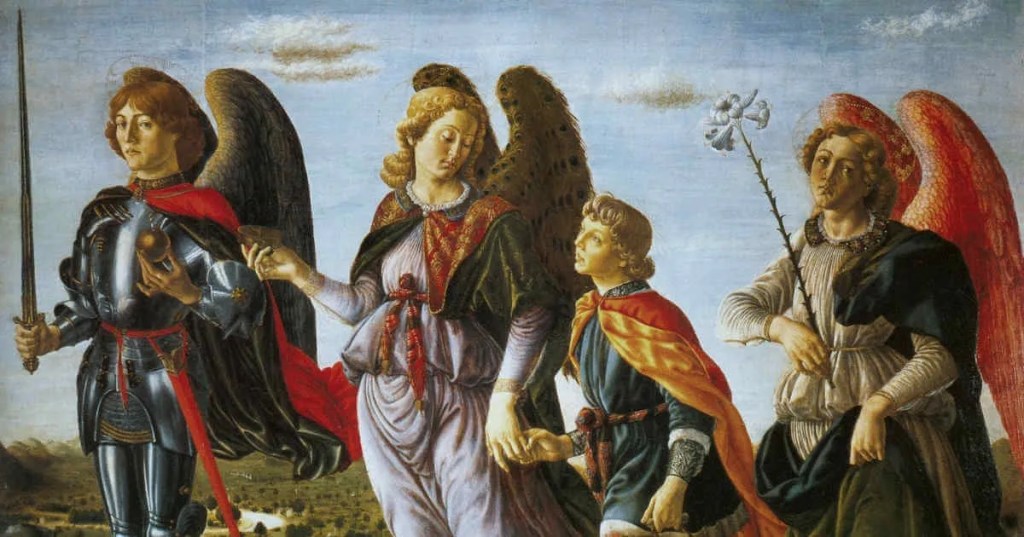
Often associated with the sword, Michael symbolizes his role as a warrior, cutting through negativity and defending the faithful. He is invoked for strength, courage, and protection, and is frequently depicted in armor, wielding a sword, standing triumphantly over a defeated dragon or demon.
2. Archangel Gabriel: The Divine Messenger
Archangel Gabriel, whose name means “God is my strength,” is renowned as the divine messenger. Gabriel plays an essential role in communicating God’s will to humankind. In Christianity, Gabriel is best known for delivering the message of Jesus Christ’s impending birth to the Virgin Mary, an event known as the Annunciation, underscoring Gabriel’s role as a conveyor of divine revelation and hope.
Gabriel’s influence extends beyond Christianity. In Islam, Gabriel (or Jibril) is the archangel who delivered the Quran to Prophet Muhammad, marking Gabriel’s central role in the establishment of one of the world’s major religions. Gabriel is often associated with purity, clarity, and truth, helping individuals understand their life’s purpose.
Frequently depicted with a trumpet, symbolizing the delivery of messages and the announcement of significant events, Gabriel’s presence is invoked for guidance, clarity, and insight.
3. Archangel Raphael: The Healer
Archangel Raphael, whose name means “God heals,” is recognized as the archangel of healing and health. Raphael is associated with all forms of healing—physical, emotional, and spiritual. In the apocryphal Book of Tobit, Raphael is central to healing Tobit’s blindness and protecting Tobias on his journey, showcasing his role as a divine healer and guide.
Beyond individual healing, Raphael oversees the well-being of Earth and all living beings. Those suffering from illness or seeking emotional and spiritual comfort often invoke Raphael’s nurturing and healing energy. He is frequently depicted holding a staff or a vial of healing balm, symbolizing his healing abilities.
4. Archangel Uriel: The Light of God
Archangel Uriel, whose name means “Light of God,” is known for bringing wisdom, enlightenment, and knowledge. Uriel illuminates the mind with divine insight, guiding those seeking spiritual growth. Though less mentioned in religious texts compared to Michael, Gabriel, and Raphael, Uriel plays a critical role in offering intellectual clarity and wisdom in times of confusion.
Uriel is often depicted holding a book or a scroll, symbolizing knowledge, or a flame, representing the light of truth and divine inspiration.
5. Archangel Jophiel: The Beauty of God
Archangel Jophiel, whose name means “Beauty of God,” is associated with beauty, creativity, and positivity. Jophiel inspires individuals to appreciate the beauty in the world and cultivate a sense of gratitude. She helps people clear negative thoughts and replace them with love and positivity, particularly among artists and creative individuals.
Jophiel is often depicted with a light or a flaming sword, symbolizing her role in cutting through negativity and illuminating beauty and creativity.
6. Archangel Chamuel: The One Who Seeks God
Archangel Chamuel, whose name means “He who seeks God,” is the archangel of love, compassion, and peaceful relationships. Chamuel works to foster harmony, helping individuals find peace within themselves and in their relationships. He is called upon to heal conflicts and foster unity and love.
Chamuel is also invoked by those seeking to discover their life purpose, career paths, or to restore lost emotional qualities like confidence and motivation.
7. Archangel Zadkiel: The Righteousness of God
Archangel Zadkiel, whose name means “Righteousness of God,” represents mercy, forgiveness, and transformation. Zadkiel helps people release feelings of anger and guilt, enabling them to experience the healing power of forgiveness. He is often depicted with a violet flame, symbolizing the transformation of negative energies into positive ones.
Zadkiel’s energy promotes emotional healing, encouraging empathy and understanding.
Conclusion
Each of the seven archangels holds a unique role within the celestial hierarchy, offering humanity guidance, protection, and healing. Archangel Michael stands as the protector, Gabriel brings divine messages, Raphael heals, and Uriel offers wisdom and light. Jophiel emphasizes beauty, Chamuel fosters love, and Zadkiel embodies forgiveness.
Together, these archangels remind us of the various aspects of divinity—protection, wisdom, healing, and love—guiding humanity toward spiritual growth and fulfillment.

 TWE Media Network
Leave a comment