

By Juliana Uzoka
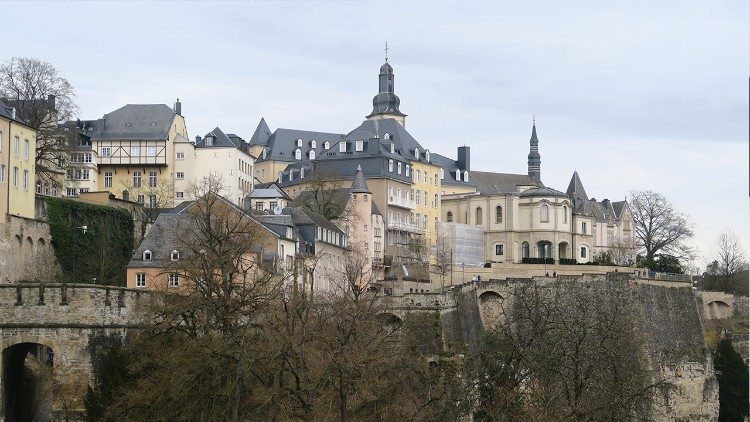
Pope Francis is set to embark on his 46th Apostolic Journey to Luxembourg and Belgium, two small European countries with modest populations and Catholic communities.
Despite their size, both countries seek the Pope’s spiritual guidance on matters of Christian doctrine and other pressing issues, as Europe faces growing tensions and conflicts.
On Wednesday, Pope Francis visited the Basilica of St. Mary Major to pray before the ancient icon of ‘Maria Salus Populi Romani’ entrusting his 46th Apostolic Journey to Luxembourg and Belgium to the Blessed Virgin Mary.
According to Vatican news, this marks the Pope’s 120th visit to the Marian Papal Basilica as he prepares for his four-day journey to the two European nations, set to take place from September 26 to 29.
The first stop will be Luxembourg, home to about 300,000 Catholics, followed by Belgium, where there are approximately 8.4 million Catholics. The visit to Belgium will also commemorate the 600th anniversary of the Catholic University of Louvain.
During the journey, Pope Francis will address a wide range of topics; including peace, migration, climate change, and the future for young people. He will also highlight Church matters, the role of Christianity in modern society, and the importance of Christian education, according to Matteo Bruni, Director of the Holy See Press Office.
Despite the Pope’s inability to host his General Audiences on Monday, “everything remains exactly as planned.” Bruni confirmed.
Pope John Paul II had previously visited Luxembourg and Belgium in 1985, and met with students of Katholieke Universiteit and the academic community of the Universite’ Catholique de Louvain.
Given the declining fervor of Christianity in Europe, Pope Francis will “call the European Union back to its founding values, which are based in Christianity,” said Cardinal Pietro Parolin, Secretary of State.

To remain relevant and overcome present-day challenges, “Europe needs to rediscover the greatness of the values that inspired it,” Cardinal Parolin added.
The Holy Father’s visit is expected to offer a profound reflection on the role of the Church in Europe and provide an opportunity for renewed commitment to the Gospel.

 TWE Media Network
Leave a comment