By TWE Centre
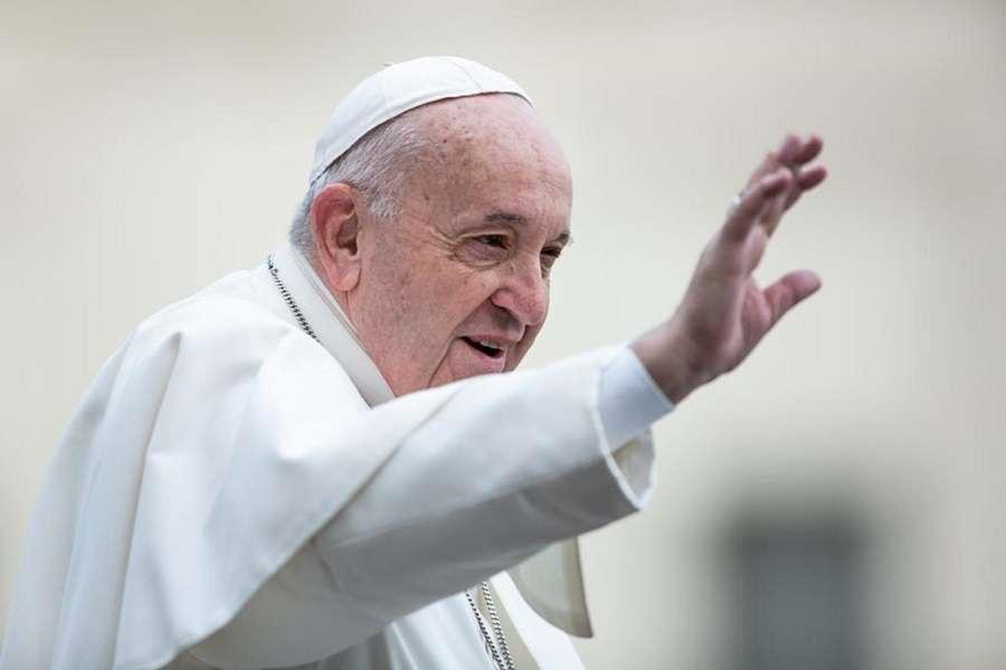
As Pope Francis prepares to embark on an extensive apostolic journey across Southeast Asia and Oceania, the world is once again reminded of the profound roles and responsibilities carried by the Pope, the leader of the Catholic Church. This article delves into the various roles the Pope plays within the Church and on the global stage.
The Supreme Pontiff
At the heart of the Pope’s role is his position as the Supreme Pontiff, the highest spiritual leader of the Roman Catholic Church. This role includes serving as the Bishop of Rome, a title that underscores his leadership of the global Catholic community. The Pope is seen as the spiritual successor to Saint Peter, one of Jesus Christ’s apostles and the first Bishop of Rome. This lineage grants the Pope a unique authority, rooted in the belief that Jesus entrusted Peter with the keys to Heaven, symbolizing spiritual guidance and leadership.
Teacher and Preacher
The Pope is also the primary teacher and preacher of the Catholic faith. Through encyclicals, apostolic letters, homilies, and speeches, the Pope communicates Church doctrine, interprets Scripture, and addresses moral and social issues. This teaching authority, known as the Magisterium, ensures that the core beliefs of Catholicism are preserved and articulated to both the faithful and the broader world.
Pope Francis, like his predecessors, has used his teaching role to address pressing global concerns, from climate change and poverty to interreligious dialogue and the promotion of peace. His encyclicals, such as *Laudato Si’* on environmental stewardship and *Fratelli Tutti* on human fraternity, have had a significant impact on global conversations around these issues.
Universal Pastor
As the Universal Pastor, the Pope provides pastoral care to Catholics around the world, regardless of their geographical location. This role is evident in the Pope’s frequent travels, where he visits different countries to celebrate Mass, meet with local bishops, and engage with the faithful. These pastoral visits, like the upcoming journey to Southeast Asia and Oceania, are opportunities for the Pope to connect with diverse communities, offering spiritual support and fostering unity within the global Church.
Guardian of Doctrine
The Pope is also the guardian of Catholic doctrine, responsible for upholding and protecting the teachings of the Church. This involves safeguarding the Church’s traditions, ensuring that doctrinal developments remain in line with the Church’s teachings, and resolving theological disputes. The Pope exercises this role through various means, including convening and presiding over Ecumenical Councils, where significant doctrinal issues are discussed and clarified.
Interreligious and Ecumenical Leader
In an increasingly interconnected world, the Pope’s role as a leader in interreligious and ecumenical dialogue has grown in importance. The Pope works to promote understanding and cooperation between the Catholic Church and other Christian denominations, as well as with other religions. This is particularly evident in Pope Francis’s upcoming visit to Indonesia, where he will participate in an interreligious meeting at one of the world’s largest mosques. Such efforts are crucial in fostering peace and mutual respect among different faith communities.
### **Voice for Justice and Peace**
The Pope is often seen as a global moral authority, advocating for justice, human rights, and peace. Whether addressing the United Nations, speaking out against wars and conflicts, or calling for action on behalf of the poor and marginalized, the Pope’s voice carries significant weight on the international stage. Pope Francis has been particularly vocal in his advocacy for the environment, migrants, and the global poor, urging world leaders to act with compassion and justice.
A Symbol of Unity
Finally, the Pope serves as a symbol of unity for the Catholic Church. In a world marked by division and conflict, the Pope’s role is to unite Catholics in faith and purpose, fostering a sense of global community. Through his words and actions, the Pope seeks to bring people together, emphasizing the common bonds of humanity and the shared responsibility to care for one another.
As Pope Francis prepares for his upcoming journey, his roles as Supreme Pontiff, teacher, pastor, guardian of doctrine, and advocate for justice and peace will be on full display. This journey will not only reaffirm his commitment to these roles but also highlight the enduring significance of the papal office in the modern world.

 TWE Media Network
Leave a comment