
By Patience Joseph

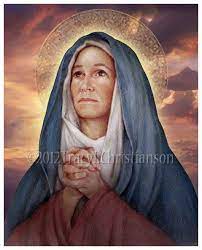
The Catholic Church honors St. Monica whose feast day is 27 August, for her exceptional Christian virtues, particularly her endurance through the suffering caused by her husband’s adultery and her prayerful dedication to the reformation of her son, Augustine. Saint Augustine, in his “Confessions”, wrote extensively about her pious life and acts.

Married to a harsh and unfaithful husband, Patritius, a pagan, St. Monica’s life was filled with sorrow. Despite his generosity and kind-heartedness, Patritius treated Monica harshly, as did his mother and their servant.

Monica’s grief deepened when Patritius refused to allow their three children—Augustine, Navigius, and Perpetua—to be baptized. When Augustine, the eldest, fell gravely ill, Patritius initially consented to his baptism but withdrew his consent upon Augustine’s recovery.

Through her unwavering patience and prayers, Monica eventually helped Patritius see the error of his ways, leading to his baptism into the Church a year before his death in 371.
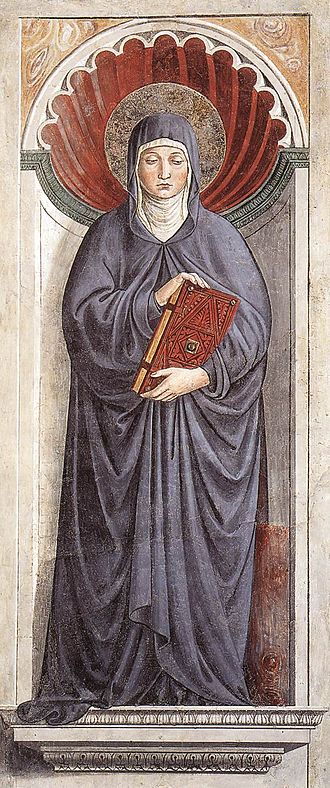
Monica’s trials did not end there. Her eldest son, Augustine, influenced by bad company, strayed far from the teachings she had imparted to him. Monica witnessed the acute mental and moral struggles of Augustine, enduring years of grief and incessant prayers for his conversion.

Relying on St. Monica’s prayers, St. Ambrose, Bishop of Milan, chose to leave Augustine to find his own way, rather than intervene directly. After three years of struggle, Augustine finally succumbed to the influence of his holy mother and turned to God. He was baptized in 387.

Shortly before her death, Monica shared a profound mystical experience with God and Augustine, who chronicled the event in his *Confessions*. Her final words to Augustine and his brother Navigius were: “Remember me at the altar of the Lord wherever you are.”

St. Monica passed away at the age of 56 in the year 387.

Leave a comment

Recent posts

Quote of the week

What are the attributes of our Blessed Mother Virgin Mary that Christians should emulate?

The attributes of the Blessed Virgin Mary that Christians are encouraged to emulate include a range of virtues that reflect her exemplary holiness and deep faith.

Faith and Trust: Mary is recognized for her profound faith and docile acceptance of God’s Word. Her response to the angel Gabriel exemplifies a complete trust in God’s plan, which serves as a model for Christians to surrender to God’s will in their own lives.

Obedience and Humility: Her generous obedience to God’s call and her genuine humility are highlighted as virtues that Christians should strive to embody. Mary’s willingness to accept her role as the Mother of God demonstrates a humble acceptance of divine purpose.

Charity and Compassion: Mary’s solicitous charity, particularly in her visit to Elizabeth and her care for Jesus, reflects a deep love for others. This attribute encourages Christians to practice love and service towards their neighbors.

Wisdom and Reflection: Mary’s profound wisdom, as seen in her contemplative nature and her ability to ponder the events of her life, invites Christians to seek understanding and insight in their own spiritual journeys.

Fortitude in Suffering: Her strength during times of suffering, particularly at the crucifixion of her Son, serves as an example of enduring faith amidst trials. Christians are called to find strength in their own challenges by looking to Mary’s example.

Maternal Love: Mary’s maternal love is a model for all who are called to nurture and support others. This aspect of her character encourages Christians to foster a spirit of care and compassion in their communities.

Devotion and Prayer: The importance of prayer and devotion to Mary is emphasized, as she is seen as a powerful intercessor. Christians are encouraged to turn to her in prayer, seeking her guidance and support in their spiritual lives.

By reflecting on these attributes, Christians can strive to incorporate them into their own lives, thereby growing in holiness and virtue as they follow the example set by Mary, the Mother of God.

Magisterium of the Catholic Church