
By Juliana Uzoka
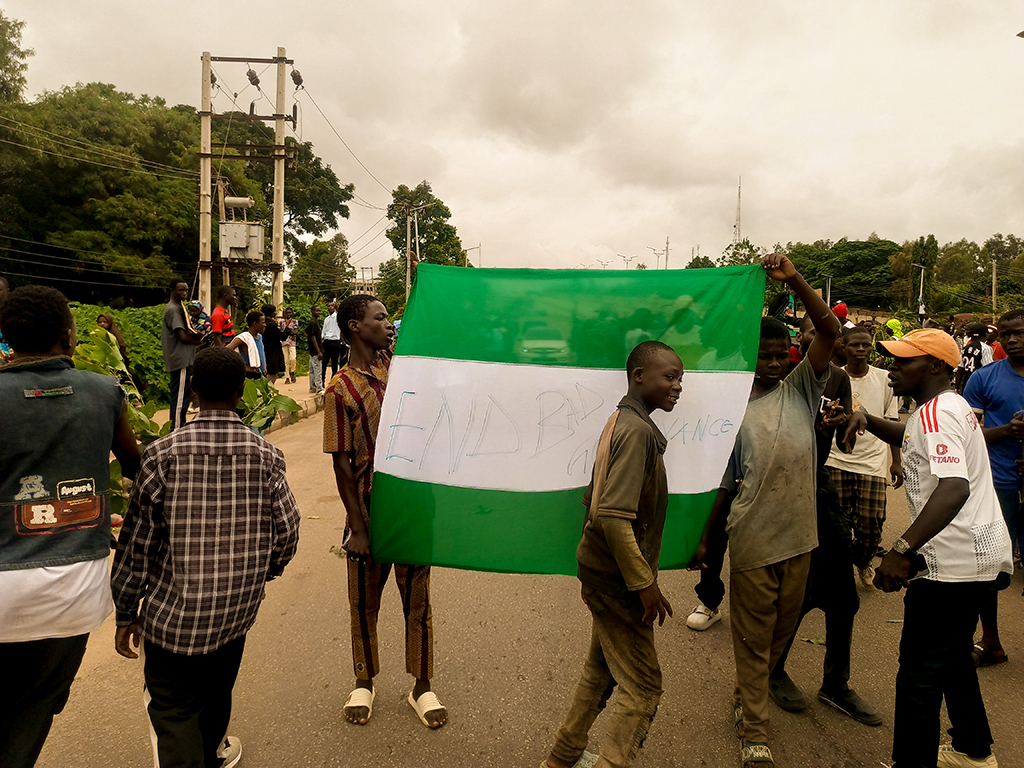
Youths on the plateau have called on President Bola Tinubu’s administration to consider stabilizing the cost of living in the country, with particular emphasis on the prices of food stuffs in the market.
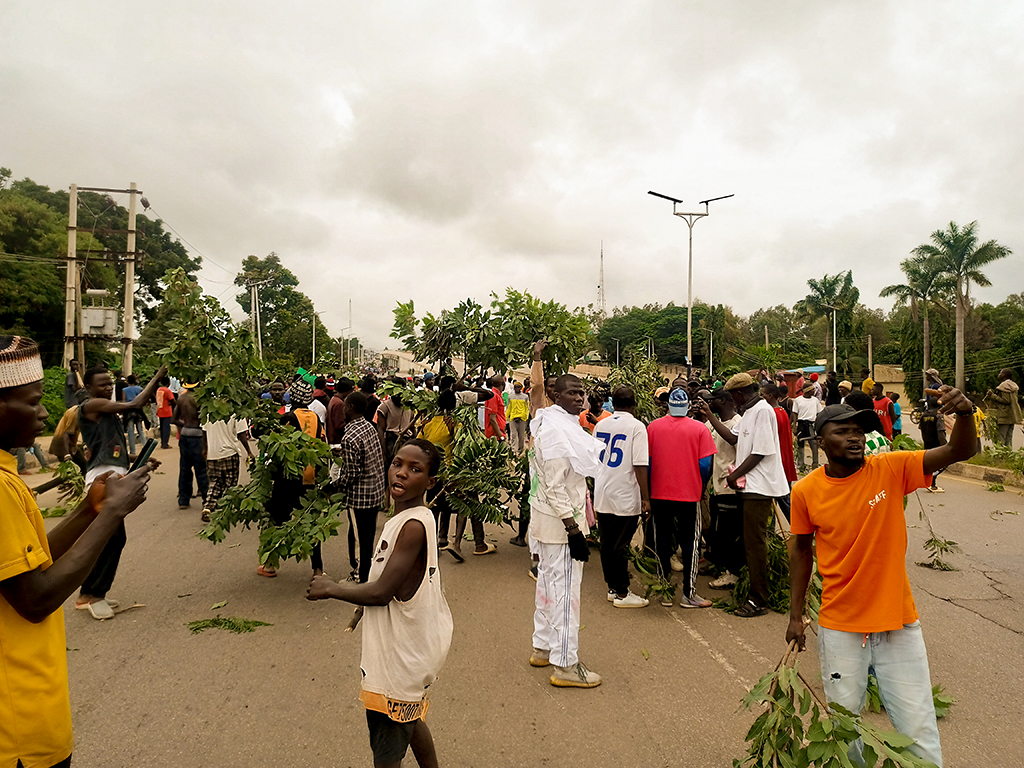
The youths, who marched from the old airport junction where the convener of the End Bad Governance Protest in Jos took off on 1 August, made a brief stop by the secretariate bridge, holding placards with several inscriptions such as “bring back fuel subsidy,” “bring down cost of living,” amongst others, while holding green leaves.
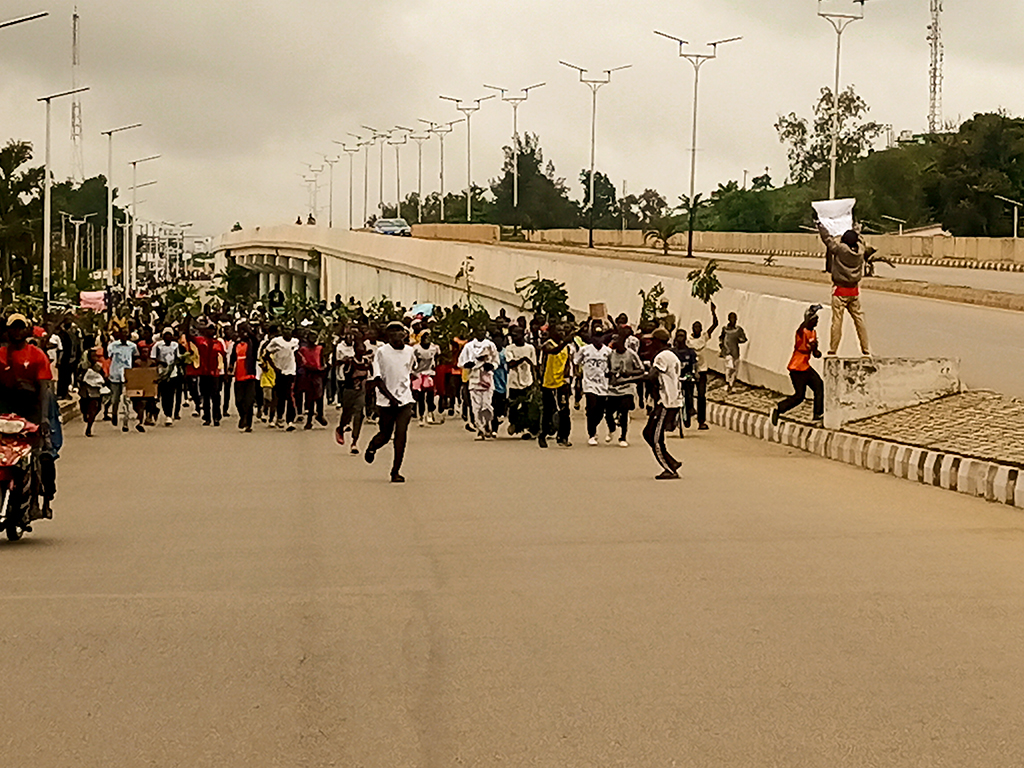
They chorused how the unaffordable cost of food stuffs in the market had inflicted majority with hunger and deprivation, saying the government has failed in its electoral promises to the masses.
Protesters were demanding urgent government action to address economic hardship and insecurity in the country. The spokesman of the Plateau State chapter of the Initiative for Better and Brighter Nigeria (IBBN), Frank Na kowa, a group that facilitated the protest, remarked on the need to drive change through a unified platform that would open discussions on the way forward.
Highlighting the reasons for the protest, Na Kowa called for an end to government economic policies that have caused the majority of Nigerians to be unable to afford essential commodities such as “garri and kulikuli,” regarded in Nigeria as poor man’s food. He emphasized the necessity to drive home their grievances with the hope that government would show some sensitivity to the plight of the people.
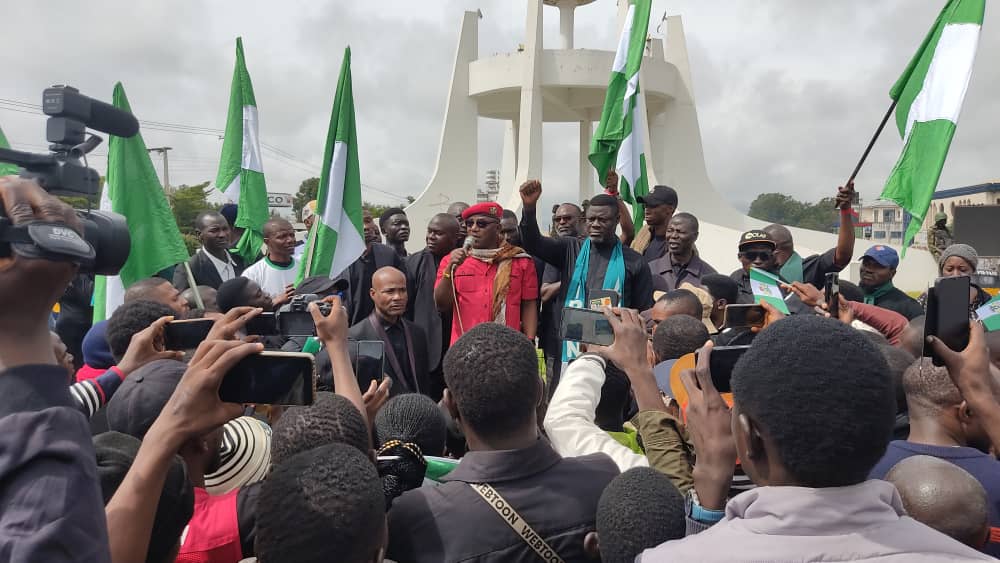
Earlier, the Convener of IBBN, Prophet Isa El Buba called on the youth to remain resolute in fighting for their rights, stressing that failure to do so would further aggravate the situation, which had made standard of living unbearable. He stated that the protest is a just cause for both present and future generations.
“I want you to know, it is a fight for the soul of Nigeria. It is a fight for the soul of your future. It is a fight for the soul of your descendants. Every Nigerian that is going through pain knows that this is a fight,” he declared.

“We must end bad governance in Nigeria. When the right institutions are in place, there will be no more hunger in the land, the killings will stop, and our armed forces will enjoy their services to the people… We are taking back Nigeria.” El Buba added.
The pastor, who is known to be quite vocal in addressing social justice and issues of national concern, recalled when governance was executed with interest of the masses. He mentioned that things were affordable, the value system deeply entrenched, and there were no ethnic or religious barriers in the country, a trend he claimed was introduced for selfish means adopted by politicians.
“We grew up in a nation where our tribe or religion did not matter – we were Nigerians first. Today, we are reclaiming that Nigeria,” he said.
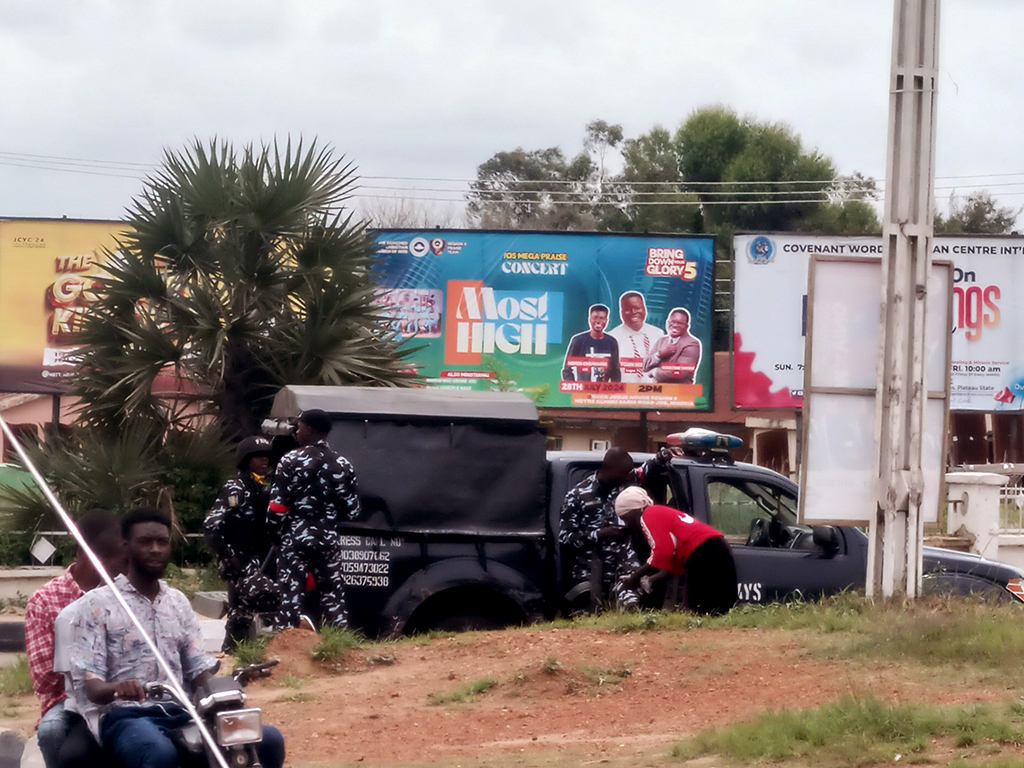
Although the protest generated quite a stir, it was largely peaceful, and there was low a turnout of protesters. The city was mostly deserted with skeletal businesses open. Those who came out could be seen standing in safe distances, observing as youths marched along the road, noisily expressing their dissatisfaction with President Tinubu’s government.
A participant in the protest, Joseph Kofi, who hails from Akwa Ibom State, said that people have lost hope in the country due to untold hardship.
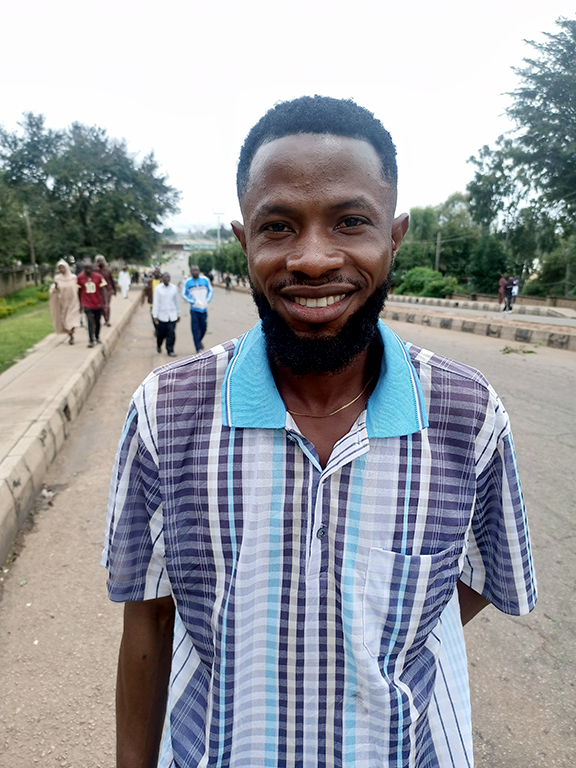
He stated that the suffering had become unbearable due to poor government policies and demanded that the government should be accountable to the masses that voted them into power.
Kofi wants “the common man to be able to afford food and buy essential commodities.” These, he said, are the changes he would like to see when the government responds to their demands.
An appeal was earlier made to the citizens of Plateau not to participate in the nationwide protest by a group that identified itself as Coalition of Indigenous Youths Nationalities of Plateau State, led by Comrade Paul Dekete and Amb. Duwam Bosco, State Chairman and the Secretary, respectively. They said the decision to exempt Plateau from the protest was due to its long history of violence and unrest. They added that now that there was a semblance of peace in the state, it should be maintained at all costs.
The coalition stressed that:” Without any prejudice to the constitutionality of the Nationwide Agitation and Planned Protest, the Coalition is constrained by the peculiar circumstances and challenges of our individual and collective survival on the Plateau, particularly the precarious security balance, to appeal to our National Compatriots to exempt the youths, our members from participating in the 10-day national protest, not so much that we are insulated from the general malaise in Nigeria, but for the risky security circumstances we face as Plateau communities.
“Indeed, the excruciating economic hardship is rather amplified in our case with the state of deliberate persecution our people have continued to suffer for decades. For us, joining the planned nationwide protest would unwittingly amount to opening the floodgates to our oppressors to inflict another round of havoc, bloodshed, and exploitation on the peace-loving people of Plateau State.”
The group called on the government at all levels to implement people-oriented policies, while advising the federal government to look into regulating the oil and gas sector, apprehending saboteurs and safeguarding agricultural development and food chain in the country.

 TWE Media Network
Leave a comment