
Nigeria produced a total of 236,229,281 barrels of crude oil in the first half of 2024, according to data from the Nigerian Upstream Petroleum Regulatory Commission.
In January, the country produced 44.2 million barrels, followed by 38.3 million barrels in February, 38.1 million barrels in March, and 38.4 million barrels in April. May saw a production of 38.8 million barrels, and June had 38.3 million barrels.
Comparatively, in the first half of 2023, Nigeria’s oil output was 219.5 million barrels, 16.73 million barrels less than in 2024. However, in the same period of 2020, the production was significantly higher at 302.42 million barrels, showing a decline over the years.
According to Punch, NUPRC data also revealed that the average daily crude oil production was 1.43 million barrels per day (mbpd) in January 2024, the highest for the six-month period. The daily production dropped to 1.32 mbpd in February and further to 1.23 mbpd in March. There was a slight recovery to 1.28 mbpd in April, but it fell again to 1.25 mbpd in May. June saw a marginal increase to 1.28 mbpd.
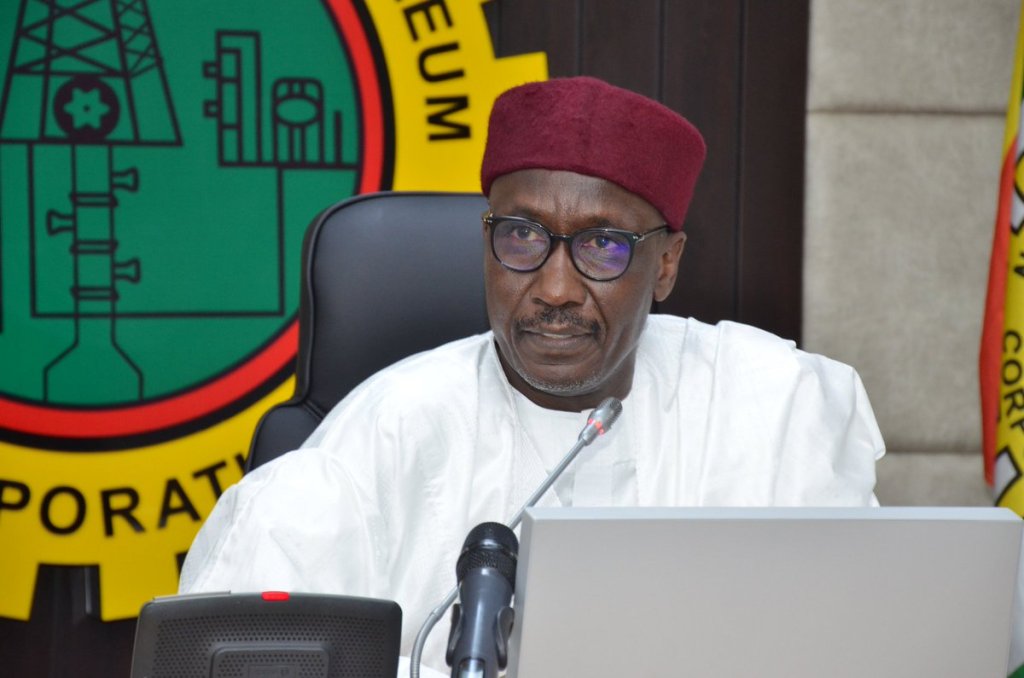
Mele Kyari, the Group Chief Executive Officer of the Nigerian National Petroleum Company Limited, highlighted the adverse effects of oil theft and vandalism on the economy, stressing the need for improved security to encourage investment in the oil sector. Kyari mentioned that over the past two years, more than 5,800 illegal connections and over 6,000 illegal refineries had been dismantled.
“How do you increase oil production? Remove the security challenge we have in our onshore assets. As we all know, the security challenge is real. It is not just about theft; it is about the availability of the infrastructure to deliver the volume to the market.
“No one will put money into oil production when he knows the production will not get to the market. In the last two years, we removed over 5,800 illegal connections from our pipelines. We took down over 6,000 illegal refineries—cooking pots or whatever they were. You simply cannot get people to put money until you solve that problem,” Kyari stated.
During a meeting with the Senate Committee on Finance, Kyari stated that Nigeria aims to achieve a production rate of 2 mbpd of crude oil. He attributed recent growth in oil and gas production to actions taken by the government and the declaration of war on production activities.
“We have already seen growth in our oil and gas production because of certain actions that Mr President personally took, and also, the very mere truth that we have also declared war on production activities, and this is yielding the required results.
“The combination of these two has now seen us restoring production in our country, and we believe that, as the minister has said, we will soon hit the target of two million barrels of oil production per day,” Kyari assured.
Despite these efforts, Kyari did not specify when the daily production would reach the target of 2 million barrels.

 TWE Media Network
Leave a comment