
By Juliana Uzoka
The faith of Christian faithful propels Jesus Christ to action; lack of faith diminishes God’s divine power that dwells within them through Baptism.
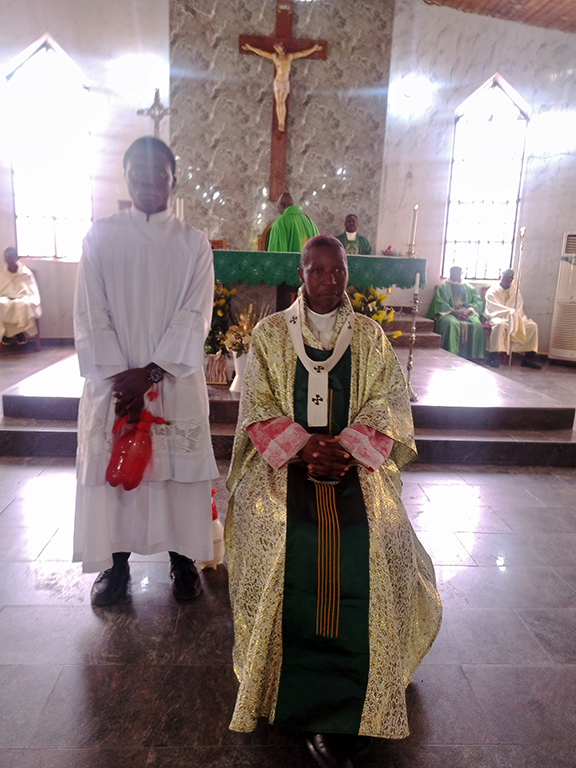
This was the core of Archbishop Matthew Ishaya Audu’s homily during his July 4 to 7 pastoral visit to St. Murumba Parish in Jos.
He warned that ignoring opportunities to draw closer to God leads to spiritual desolation, where worldly attachments and misconceptions prevent proper faith-based decisions. He illustrated this by recounting the story of Father Taban, a black priest from Sudan, who faced rejection because his congregation was accustomed to white priests. He referenced Mark 6:5, where Jesus couldn’t perform miracles in his hometown due to the people’s familiarity with his background.
He noted that rejection often stems from biases like race, nationality, or ideology. He cited Bishop Fulton Sheen, a renowned preacher who overcame early ridicule to excel as an orator, as an example of overcoming such rejection.
God is closer to His people, and His presence abounds in mundane events, Archbishop Audu said. However, people often seek Him in extraordinary experiences, missing His presence in ordinary life.
” There is a human temptation in all of us to fail to see God in the ordinary things in life and instead to seek Him in the flamboyant, the unusual or exciting phenomenon. Often longing to touch the presence of God sends us searching for visions and apparitions in far away or near places while His guaranteed presence is in the ordinary. “
“Because we instinctively admire strength and expect to find it in our athletes, political leaders and armies, because we live in a society that gives great value to great deeds, weakness is something that we are less able to cope with and our being ordinary and fragile tends to leave us frustrated or depressed.” He said.
Jesus’ concern on the lack of faith of His own people propelled Him to express amazement at their unbelief, referenced in Mark 6:6 that said: ” Prophets are not without honour, except in their hometown, and among their kin, and their own household.”
The underlying factors in case of unbelief is that of “familiarity breeds contempt” the Archbishop stressed warning that ” this becomes the obstacle hindering us from experiencing the mercy and power of God, which is offered a new each day.” Adding that no matter how routine or monotonous a system of worship may be, and the plainness of the pastor in charge, the key thing is the manifestation of God’s presence which defies human comprehension.

The Archbishop encouraged the faithful to recognize God in ordinary life and pray for renewed faith. He also solicited funds for the Divine Mercy building project.
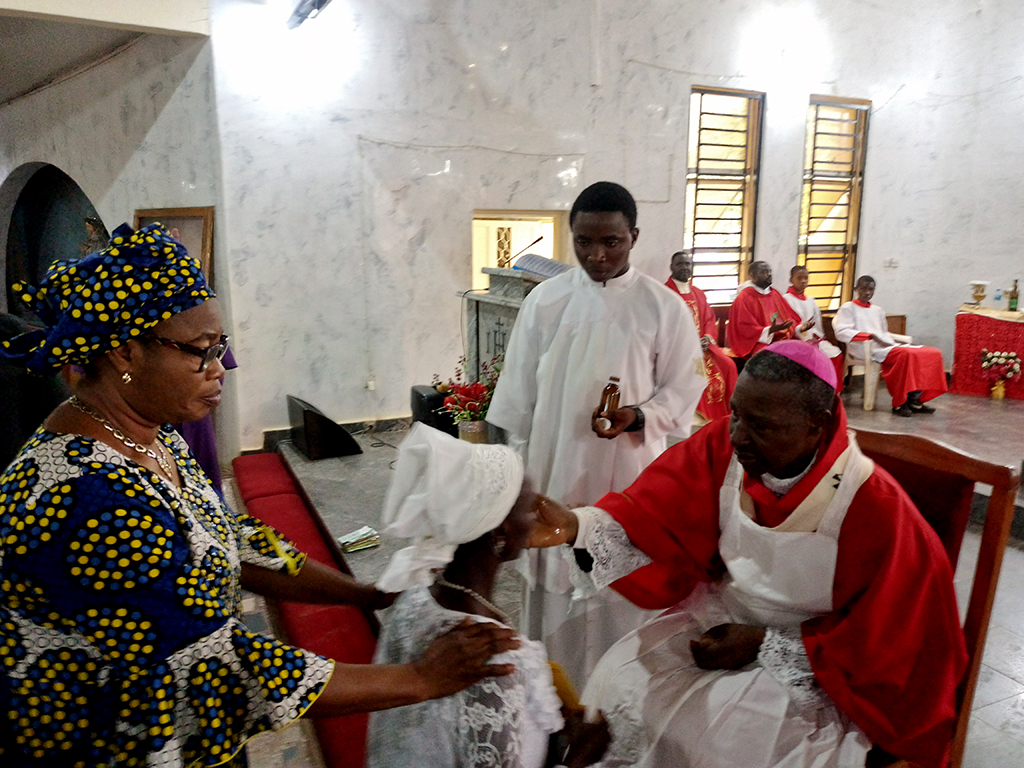
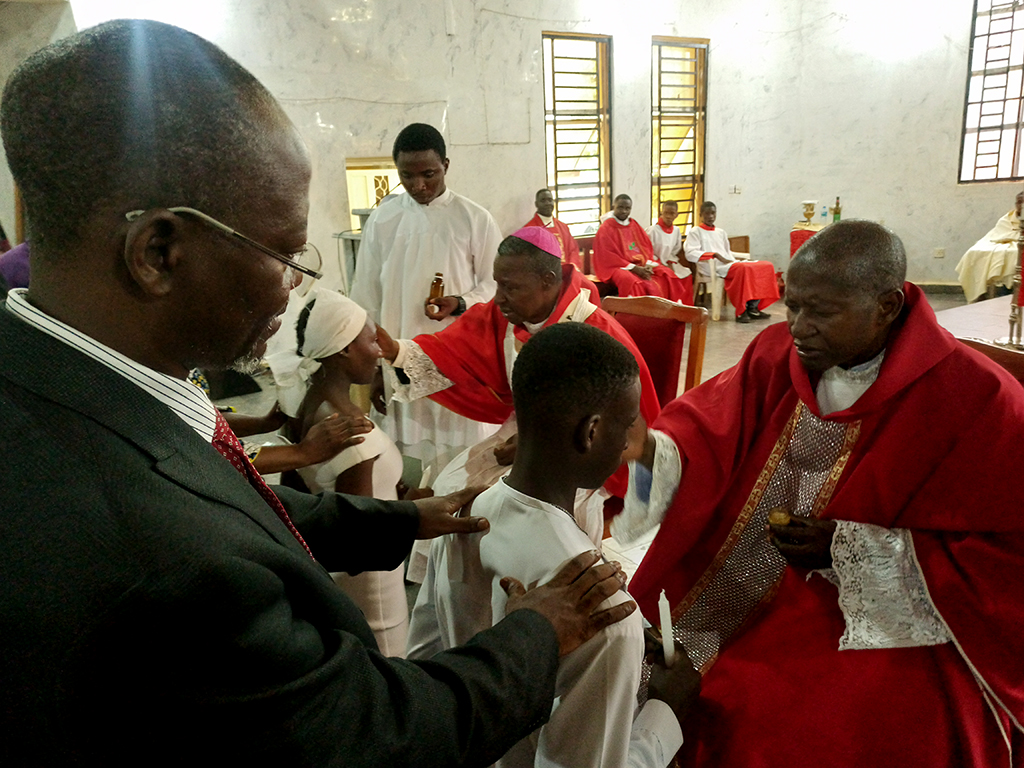
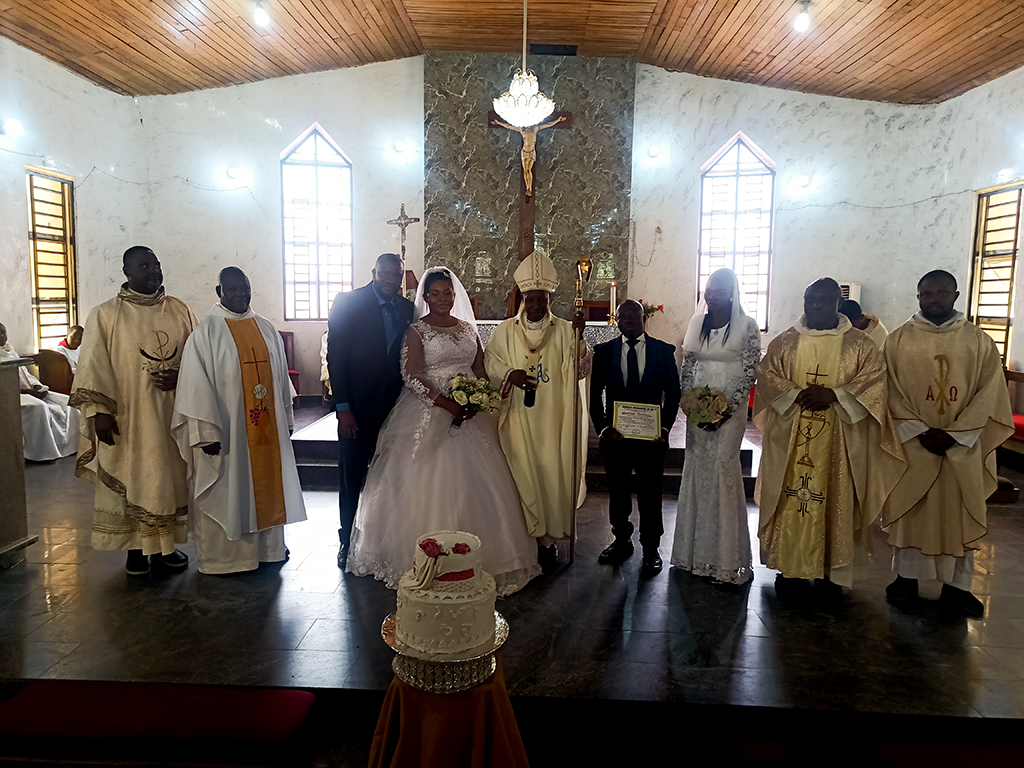
During his visit, the Archbishop was warmly welcomed and made significant impacts, including confirming 256 candidates, officiating two weddings, and engaging in catechesis with parishioners. He also visited local ward heads and schools, where he answered faith-related questions from students.
The parish priest, Very Rev. Father Cyril Deshi, expressed gratitude for the Archbishop’s visit, which he said had a profound impact on the congregation and community. “The Archbishop’s visit was a great honor, and his message has inspired us to renew our faith,” he said.
When he visited St. Murumba primary school “you could see joy on the faces of the pupils… He has blessed us and we wish him well,” the parish priest added.
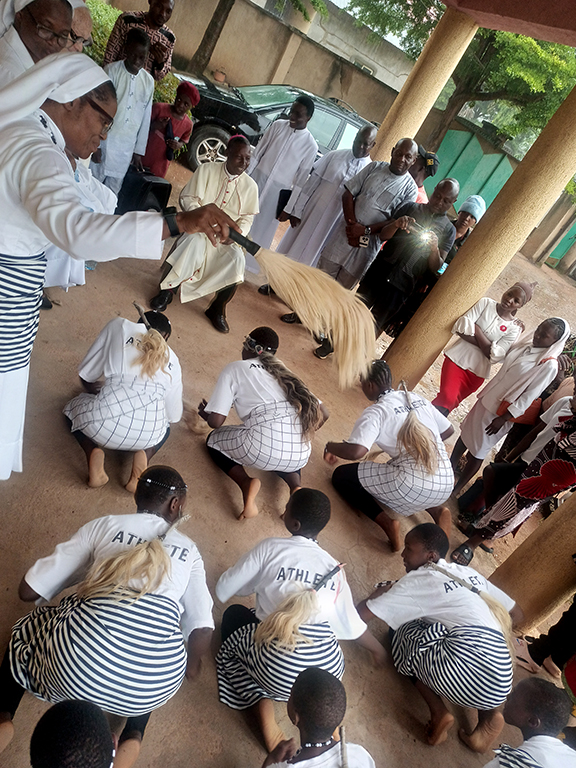
Parishioner Sir Luke Ikechukwu Muonanu echoed the sentiment, noting the enthusiasm and welcome shown by the parishioners. “The Archbishop’s acceptance and welcome were obvious on the faces and actions of the parishioners,” he said.
Archbishop Audu’s visit to St. Murumba Parish left a lasting impact on the community, emphasizing the importance of faith and God’s presence in everyday life.

 TWE Media Network
Leave a comment