
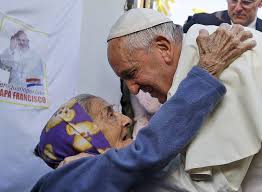
The reflection on Pope Francis’ message for the eight World Day of the Poor brings profound insights into the heart of Christian spirituality and its alignment with the needs and cries of the poor.
The Pope’s message, grounded in biblical wisdom, particularly from the Book of Sirach, calls us to a deeper communion with God through our relationship with the impoverished and marginalized.
The theme, “The prayer of the poor rises up to God,” underscores a fundamental truth of our faith: God hears the cries of the poor and responds with compassion and justice.
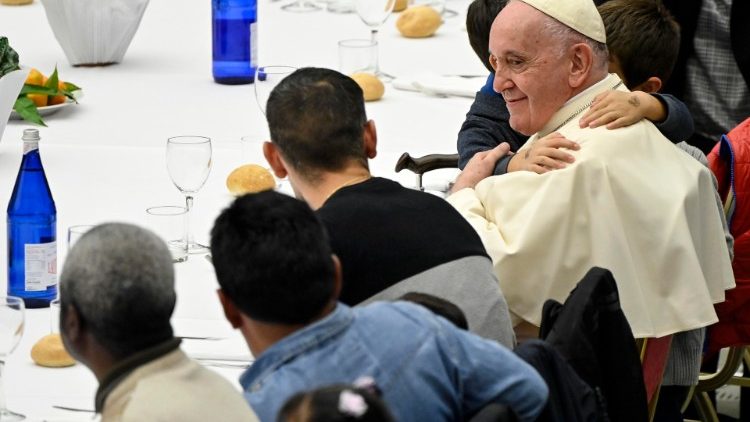
In a world that often values wealth and power, Pope Francis reminds us that true Christian hope embraces the certainty that our prayers, especially those of the poor, reach God’s presence. This hope calls us to see the divine image in the faces and stories of those suffering around us, transforming our prayer into a path of solidarity and shared suffering.
In reflecting on Ben Sira’s wisdom, we are reminded that authentic prayer arises from a life attuned to God’s presence and attentive to His word. This attentiveness reveals God’s special concern for the poor, for He is a Father who knows the sufferings of His children and cares deeply for those most in need.
As Pope Francis highlights, no one is excluded from God’s heart, emphasizing our universal poverty and neediness before Him.
Pope Francis’ critique of contemporary society’s pursuit of success “at any cost” challenges us to re-evaluate our values. The quest for personal advancement often leads to trampling on other’ rights and dignity, resulting in violence and war that impoverish many. In contrast, true happiness and fulfillment cannot be obtained through such means; rather, they are found in upholding the dignity and rights of every person, especially the poor.
The Pope’s call to ‘make the prayer of the poor our own” is a poignant reminder of our shared humanity and the need for communal prayer that embodies the cries of the suffering.
The Lord’s judgement, he assures, will favour the poor, and from this place of poverty, genuine hope and joy can arise. This perspective challenges us to see the world through God’s eyes, valuing those whom society often overlooks.
Finally, Pope Francis emphasizes that there can be no authentic charity without prayer. True charity is not merely philanthropic but is rooted in a deep spiritual connection with God and the poor. Prayer that translates into concrete action embodies living faith, while action without prayer risks losing its spiritual foundation and becoming mere human effort.

 TWE Media Network
Leave a comment