
By Juliana Uzoka
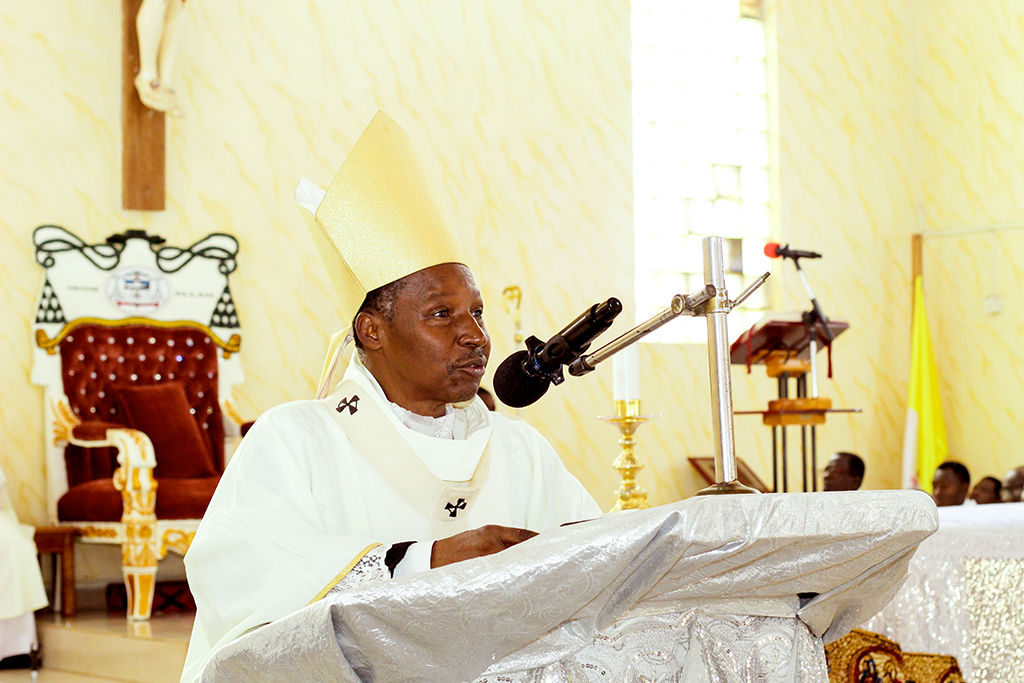
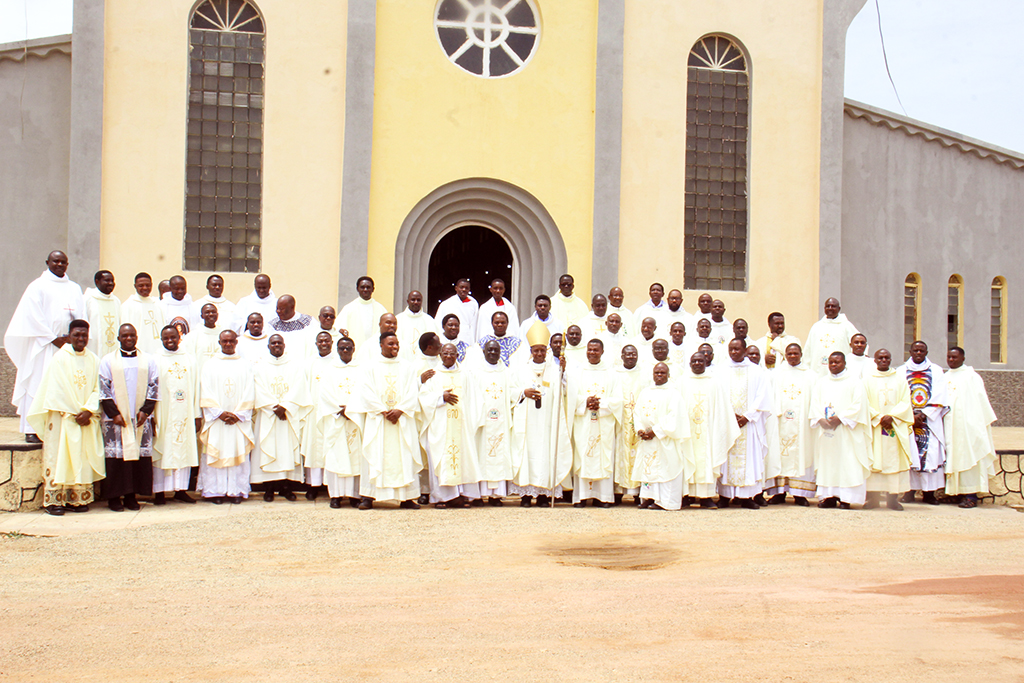
The Catholic Church marked the Feast of the Sacred Heart of Jesus on June 7th at Fatima Cathedral, Jos, with Archbishop Ishaya Audu emphasizing the profound love symbolized by this celebration.
This annual feast, observed every third Friday after Pentecost, commemorates God’s boundless love for humanity through the sacrifice of Jesus Christ.
In his homily, Archbishop Audu elaborated on the significance of the human heart, describing it as the tireless organ that sustains life. He drew parallels between the physical heart’s essential role and the spiritual love embodied by the Sacred Heart of Jesus.
“Throughout human history, the heartbeat has been the indicator of life,” said Archbishop Audu.
“Similarly, the heart symbolizes love, a fundamental human need. Christ’s death on the cross epitomizes God’s love for us.”The Feast of the Sacred Heart of Jesus serves as a reminder of this divine love, illustrated by Jesus’ sacrifice.
Archbishop Audu highlighted two key biblical passages that underpin this devotion: John 7:27 and John 19:34. These scriptures reflect Jesus’ invitation to all who thirst and the piercing of His side, releasing blood and water as symbols of His love.
The devotion gained prominence through St. John Eudes and St. Margaret Mary Alacoque, who had visions of Jesus instructing her to promote this feast. Pope Pius X later elevated it to a universal celebration in the 18th century, and Pope Leo XIII spread the devotion globally.
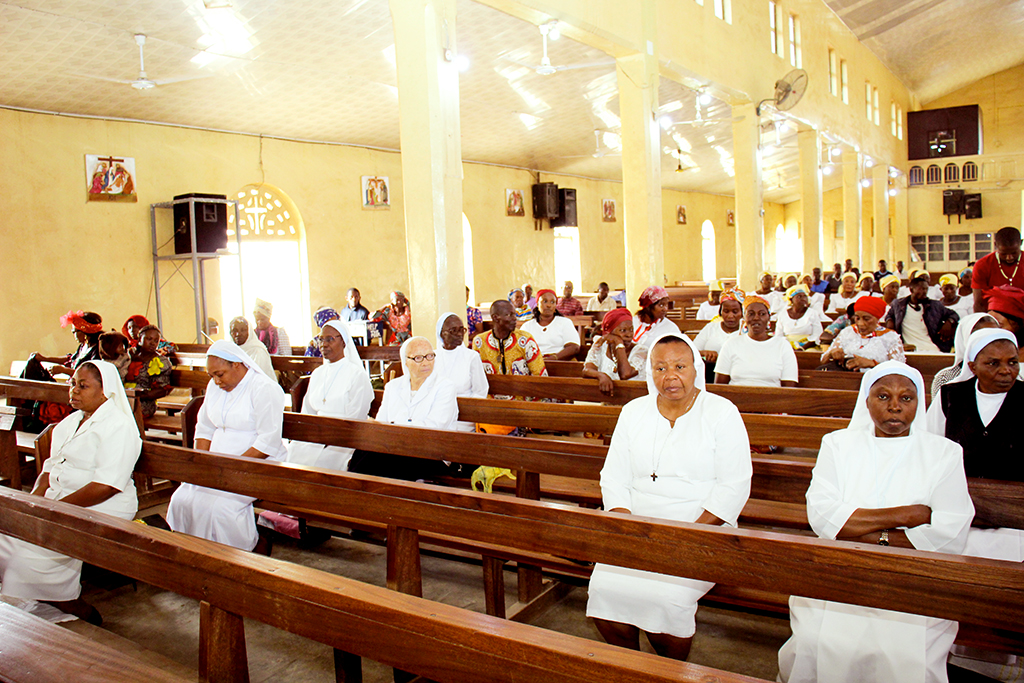
Archbishop Audu called on the clergy and faithful to embody the love of Jesus in their lives. He questioned whether priests and religious truly loved one another, urging them to avoid rivalry and competition.
“Do we really love ourselves?” he asked. “We must harness our diverse talents for God’s mission and ensure that charity begins at home.”Using an illustration from Archbishop Fulton Sheen, Archbishop Audu warned against deceptive practices that undermine genuine love and camaraderie among the clergy.
He criticized the hierarchical and often discriminatory behavior of some senior priests towards their juniors. “Just as Jesus showed love even to His betrayer, we too must show love and forgiveness to those who wrong us,” he urged.
The Archbishop also addressed persecuted Christians in Plateau State, encouraging them to emulate Jesus’ heart by forgiving their enemies. He emphasized that true representation of Jesus requires practicing forgiveness and love, even towards adversaries.
The Feast of the Sacred Heart of Jesus also coincides with the World Day of Prayer for the Sanctification of Priests, established by Pope John Paul II in 2002. On this day, the faithful are invited to pray for priests to live holy and faithful lives.
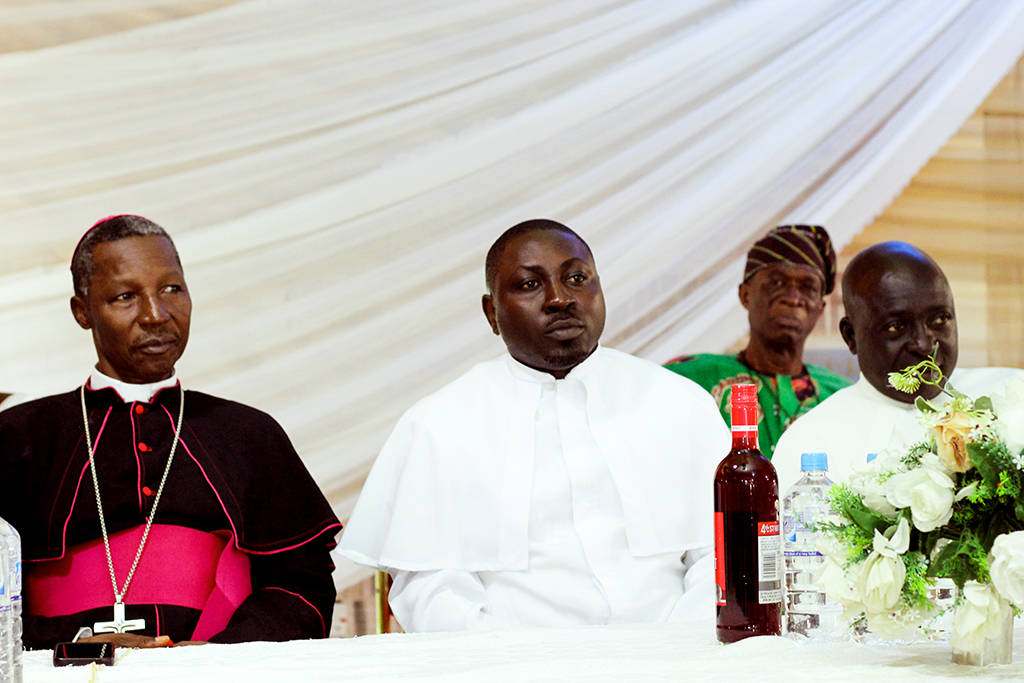
Archbishop Audu, who celebrated his 65th birthday and 40 years of priesthood on this solemnity, concluded by urging everyone to aspire to have a heart like Jesus. “If you have a heart like Jesus, you will pray like Jesus, you will act like Jesus,” he said. “Let us embody the love and forgiveness that Jesus exemplified.”
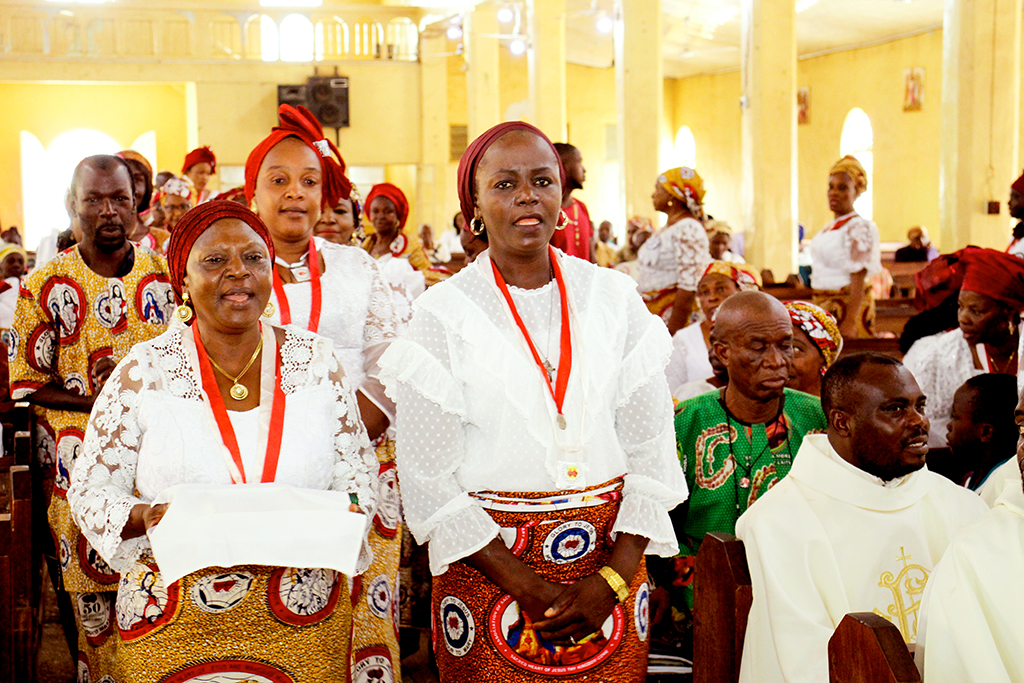
The celebration was attended by members of the Sacred Heart of Jesus, marking a day of reflection, prayer, and commitment to living out the love of Christ in daily life.

 TWE Media Network
Leave a comment