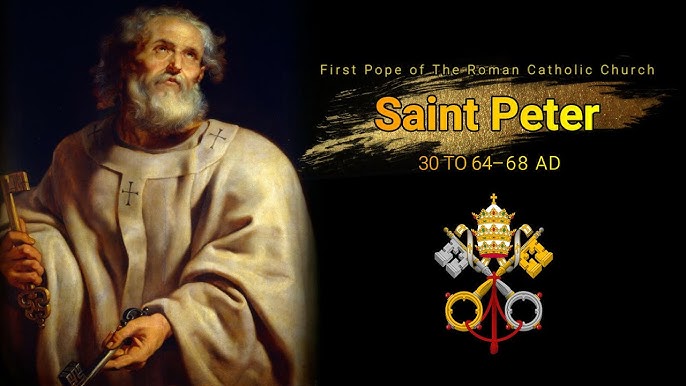
The Catholic Church has had Saint Peter Successors as Pope, since the time of Jesus Christ, as Bishop and Pope of the Catholic Church. This diary will chronicle the life and leadership of the Popes in descending other starting from Pope Francis. A weekly diary on their life, spirituality, weaknesses, achievements and much more.
The Role of the Pope in the Catholic Church: A Pillar of Faith and Unity
By TWE Centre
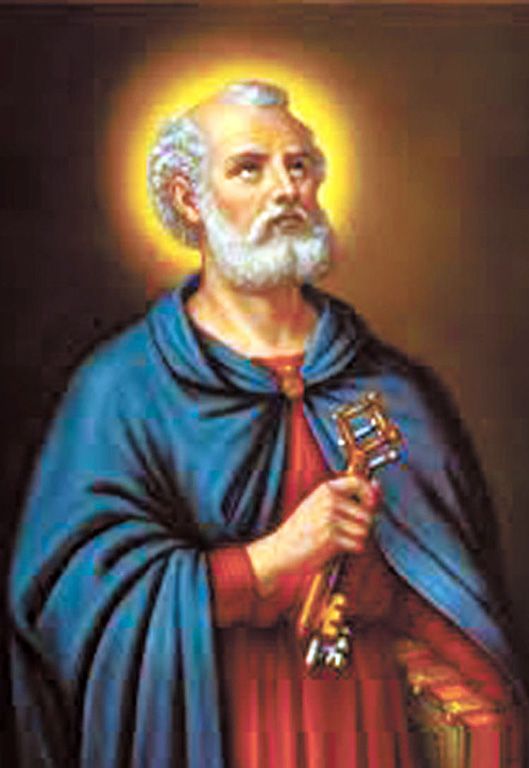
The Pope, as the Bishop of Rome, occupies a unique and central position within the Catholic Church, serving not only as a spiritual leader but also as the custodian of tradition, doctrine, and the unity of the global Catholic community. The role of the Pope is deeply rooted in the Church’s history and its theological framework, with the papacy being a continuous institution since the time of Saint Peter, the first Pope.
The Successor of Saint Peter
According to Catholic teaching, the Pope is the direct successor of Saint Peter, who was appointed by Jesus Christ as the leader of His apostles. This succession is seen as vital for maintaining the Church’s continuity and unity. The Catechism of the Catholic Church emphasizes that the Pope is “the perpetual and visible source and foundation of the unity both of the bishops and of the whole company of the faithful.” This succession underscores the Pope’s role as the guardian of the Church’s teachings and its mission.
Guardian of Tradition
Tradition plays a crucial role in the papal authority, serving as a foundation for the teachings and governance of the Church. Alongside Sacred Scripture, Tradition constitutes the “sacred deposit” of faith entrusted to the Church, which the Pope, together with the bishops, is tasked with authentically interpreting and teaching. This responsibility ensures that the teachings of the Church remain consistent with the original revelations of Christ while also allowing for growth and adaptation in response to new challenges.
Living Tradition
Tradition in the Catholic Church is not a static concept but a living and dynamic reality that develops over time. The Second Vatican Council highlighted that Tradition grows through contemplation, study, and the authoritative preaching of the bishops, under the guidance of the Holy Spirit. This ongoing development allows the Church to respond to contemporary issues while remaining rooted in the original teachings of Christ and the apostles. The Pope, as the chief shepherd of the Church, plays a vital role in safeguarding this Tradition, ensuring that it remains faithful to its mission.
The Magisterium’s Role
The Pope, as part of the Church’s Magisterium (the teaching authority), is responsible for authentically interpreting both Scripture and Tradition. This authority is exercised in the name of Jesus Christ, making the Church a “pillar and bulwark of the truth.” The Magisterium’s role is to ensure that the Church’s teachings remain consistent with the original revelations while addressing new moral and social issues as they arise. This includes the Pope’s ability to define doctrines concerning faith and morals, which are considered infallible when pronounced ex cathedra (from the chair of Saint Peter).
Unity and Continuity
The Pope’s role is also crucial in maintaining the unity and continuity of the Church. Through the papal office, the Church’s teachings are linked with its historical roots, ensuring that doctrine remains consistent over time. This unity is not only theological but also pastoral, as the Pope acts as a unifying figure for the global Catholic community, fostering a sense of belonging and shared mission among the faithful.
Conclusion
The Pope’s role in the Catholic Church is multifaceted, encompassing spiritual leadership, doctrinal guardianship, and the promotion of unity within the global Catholic community. As the successor of Saint Peter, the Pope serves as the visible head of the Church, guiding it through the challenges of each era while remaining faithful to the teachings of Christ and the apostles. Through his stewardship of Tradition and his role within the Magisterium, the Pope ensures that the Church remains a living and dynamic institution, capable of addressing the needs of the faithful in every generation.
Embarking on a Journey Through Papal History: Exploring the Lives of 100 Popes Leading to Pope Francis
Starting September 27, 2024. I will be diving into the remarkable history of the papacy, exploring the lives, virtues, and leadership of 100 Popes, all the way to the current Holy Father, Pope Francis.
This series will offer deep insights into how these spiritual leaders shaped the Church and influenced global history, highlighting their challenges, triumphs, and lasting legacies.
Join me on this inspiring journey through centuries of faith, tradition, and devotion.

 TWE Media Network